Amnesia, traditionally a disease of the elderly, is now becoming increasingly prevalent among working professionals. Experts point out that white-collar amnesia is a condition caused by neurasthenia. This type of forgetfulness is not a damage to memory function, but rather a temporary memory impairment resulting from excessive nervous fatigue.
The main symptoms of amnesia among white-collar workers include dizziness during the day, poor sleep at night, insomnia, vivid dreams, and frequent awakenings. They may also experience irritability, memory loss, and even depressive tendencies.
Forgetfulness among white-collar workers is generally caused by both external and internal environmental factors. In addition, white-collar workers' excessive reliance on digital products leads to a lack of brain exercise, and the damage to the nerves caused by drinking and smoking further contributes to a significant decline in memory and calculation abilities.
How to prevent "white-collar amnesia"?
Experts have prescribed a solution for regaining memory through changes in diet and lifestyle.
Exercise therapy
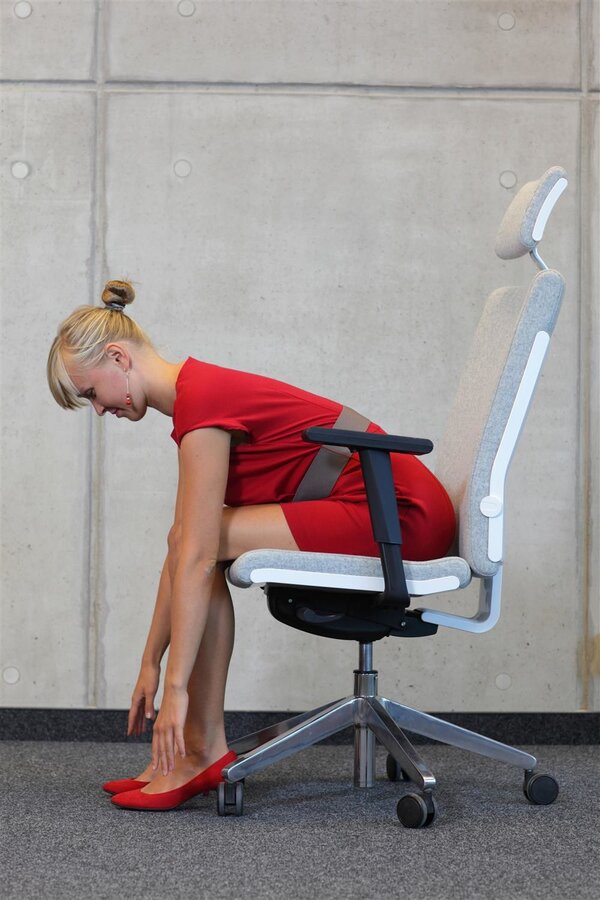
It's important to make physical exercise a part of your lifestyle. Office workers who don't enjoy exercise can start with simpler upper-body activities like badminton or table tennis to gradually develop a love for exercise. It's recommended that people under 40 exercise three times a week. Office workers should get up and do stretching and jumping exercises after working for two hours.
Nutritional therapy
Increase your intake of nutrients such as protein and trace elements, such as milk, soybeans, walnuts, sesame seeds, and sardines.
Try to avoid drinking alcohol and smoking, and eat less spicy and strongly flavored food. Foods such as preserved eggs and popcorn, which contain relatively high levels of heavy metals, are considered "memory killers" and should not be eaten in large quantities.
Communicative therapy
Joining clubs based on your interests and interacting with others can be very effective in relaxing your mind. Try to memorize phone numbers, names of objects, etc., and cultivate the habit of handwriting and doing calculations yourself.
Music therapy
You can play some soothing, melodious music while working.