Linda is a health-conscious person who is particularly concerned about breast diseases, which are common among women. She usually pays attention to the condition of her breasts when she takes a shower.
Just a few days ago, Linda suddenly felt a lump in her left breast while taking a shower. It was also a little painful to the touch, which made Linda very worried. She was afraid that it might be breast cancer, so she immediately made an appointment for the next day to go to the hospital for a check-up.
After a thorough examination, the doctor discovered that Linda did not have breast cancer, but rather a common condition in women called breast hyperplasia. Linda was relieved.

According to the latest data from 2020, there were 2.26 million new cases of breast cancer worldwide , making it the leading cause of cancer death globally, surpassing lung cancer. Breast cancer is the number one killer of women. Today, let's learn about breast cancer.
How to differentiate between breast cancer and breast hyperplasia?
Breast cancer is a malignant tumor, while breast hyperplasia is a benign condition. Both can cause breast lumps, and because the lumps are similar, they can be easily confused. However, the lumps from breast cancer and breast hyperplasia are different.
Nodules and lumps caused by breast hyperplasia are usually soft to the touch, movable, and may be quite painful. In contrast, early-stage breast cancer rarely presents with pain; the main symptom is the palpable lump .
Moreover, breast cancer lumps are relatively hard, with indistinct borders, and are mostly solitary, painless lumps. They may even fuse with surrounding glands , so there is a difference in appearance between the two.
In addition, breast hyperplasia usually causes cyclical breast pain, such as breast pain during menstruation or when experiencing significant emotional changes, while breast cancer patients usually present with a painless lump as their first symptom, and may experience nipple discharge during non-pregnancy periods.

Before breast cancer develops, the body will give these warning signs.
1. Painless lump
Breast cancer usually presents as a breast lump. The lump can occur anywhere in the breast and can be of any size, shape, and depth . When you feel the lump during a self-examination, the boundaries are not clear. The boundary between the lump and normal tissue may not be obvious, and there may not even be a clear connection between two lumps. There is also no boundary with normal fatty tissue.
2. Swollen lymph nodes
As breast cancer develops and spreads, cancer cells can spread along lymph nodes and lymphatic vessels. Breast cancer is prone to metastasize to the neck and armpits. If you feel enlarged, movable, painless lymph nodes or lymph nodes that are adhered to tissue in the neck or armpits , you should be alert to the possibility of breast cancer.
3. Nipple abnormalities
Some breast cancer patients may experience abnormal nipple symptoms, such as nipple retraction and inversion . This is because the enlarging tumor can stretch the surrounding ligaments, leading to nipple retraction.
4. Abnormal nipple discharge
Non-lactating women should be especially alert to symptoms of breast cancer if they experience nipple discharge, leakage, or bloody fluid , particularly if there is abnormal discharge from one nipple . They should seek medical attention promptly.
5. Abnormalities in breast skin
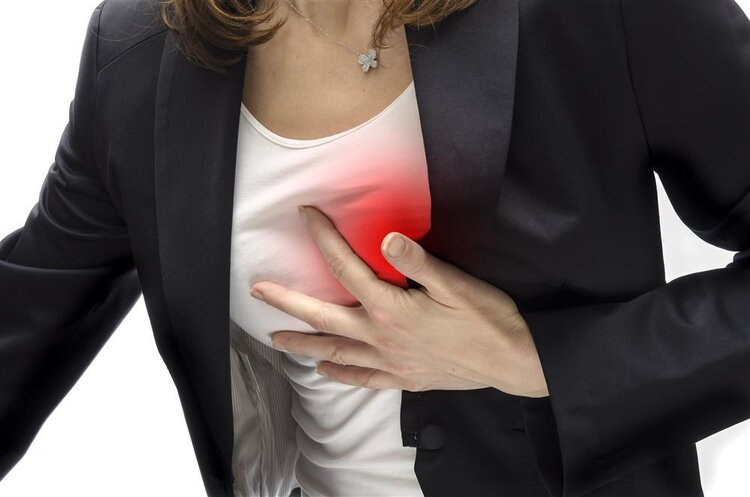
When you have breast cancer, it can compress surrounding tissues and nerves. If cancer cells invade the breast ligaments, the skin on the areola will become similar to orange peel and feel uneven to the touch.
6. Changes occur in the skin and muscles.
Some breast cancer patients may experience symptoms such as skin ulceration, redness, swelling, nodules, and local hardening . During self-examination, they may feel adhesions on the skin of their chest, which feel like a piece of rubber and cannot be moved .
To avoid breast cancer, there are a few things you should do!
To prevent breast cancer, it is important to have regular breast health checkups, especially for those at high risk of breast cancer.
The peak age for breast cancer incidence in women is 45-54 years old. It is recommended that ordinary people have a mammogram every year starting from age 40. If you are in a high-risk group for breast cancer, you should start screening before age 40.
There are three main high-risk groups for breast cancer: people with a clear genetic predisposition to breast cancer; people who have received chest radiotherapy before the age of 30; and patients with a history of lobular carcinoma in situ, lobular or ductal dysplasia.
In addition to regular check-ups, preventing breast cancer also starts with diet. Here are four types of food to avoid.
Alcohol
Studies have found that regular alcohol consumption increases the risk of breast cancer. Alcohol may cause DNA damage and increase estrogen levels. Women who drink three alcoholic beverages per week have a 15% increased risk of breast cancer , and for every additional beverage consumed per day, the risk increases by about 10%.
Trans fats
While not all fats are bad, research has found a link between trans fats and an increased risk of breast cancer. Trans fats are a common type of fat found in processed foods, such as fried foods, donuts, cookies, and packaged pastries or biscuits . It's important to avoid these foods as much as possible to limit trans fat intake in order to prevent breast cancer.
High sugar foods
A study from the University of Texas MD Anderson Cancer Center found that mice fed a high-sugar diet were more prone to developing breast cancer, similar to breast cancer in humans. Furthermore, these cancer cells were more likely to metastasize or spread.
Red meat and processed meat
Some studies have found a link between red meat and an increased risk of breast cancer, especially since cooking meat at high temperatures can release toxins . Furthermore, processed meats often contain high levels of salt, fat, preservatives , and other substances that are detrimental to breast cancer prevention.
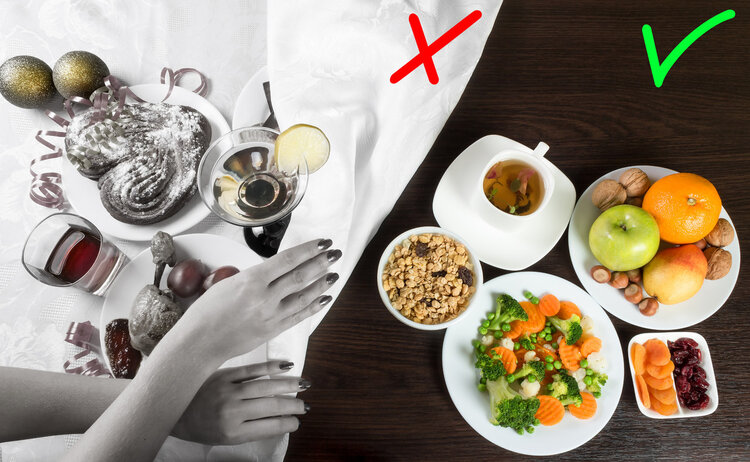
Besides avoiding these foods, other ways to prevent breast cancer include eating more foods rich in vitamin D , eating more fruits and vegetables, and getting some sunshine.
In addition, exercise is also important. The National Cancer Institute in the United States has found that women who exercise for 4 hours or more per week have a lower risk of breast cancer . Maintaining a healthy weight is also beneficial to breast health, as obesity is a known risk factor for breast cancer.
Breast cancer is one of the cancers that seriously threaten women's health. Women should pay close attention to their breast health and seek medical attention promptly if any abnormalities are found.