Today, I've compiled a list of when to replace some everyday items. Feel free to check it out.
Part 1: The Kitchen
▲Chopping board
When cutting raw food, bacteria from the food will remain on it. If raw and cooked food are cut together, it will cause contamination of the cooked food. Once you eat food contaminated with bacteria, it is very likely to cause diarrhea, gastroenteritis and other diseases. The longer the cutting board is used, the more scratches it will have, and the more serious the bacterial growth will be.
Therefore, it is recommended to replace the food every six months, especially if mold is found, it should be disposed of immediately. Normally, it is best to cut raw and cooked foods separately and disinfect them regularly.
▲Dishcloth
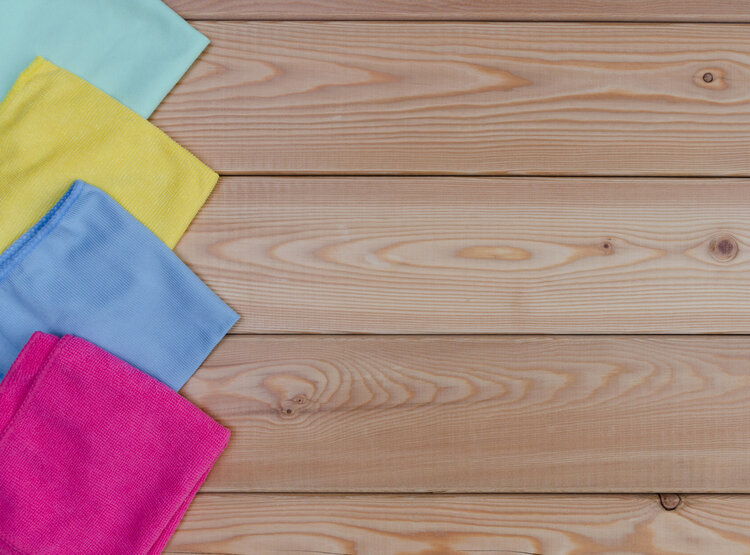
Studies have found that a brand-new dishcloth can contain up to 2.2 billion bacteria after a week of use at home! In daily life, dishcloths are often cleaned in various places, such as tables and counters, which can easily re-contaminate tableware and then enter the human body through the tableware, causing related diseases.
Therefore, it is recommended to replace them regularly. People who cook every day can replace them about once every two weeks . At the same time, the dishcloths should be disinfected every day by scalding them with hot water for 3-4 minutes. It is best to use dedicated dishcloths for specific purposes and distinguish them by color to avoid cross-contamination.
Part Two: Bedroom
▲Pillow core
Regardless of the material, pillows will harbor dust mites after prolonged use. Studies have found that after more than two years of use, 10%-15% of the pillow's weight may be composed of dust mite metabolic waste, which can cause allergic diseases.
Therefore, the Sleep Committee recommends replacing pillow cores every 6 months to 2 years . Normally, washable pillow cores should be soaked in hot water (50℃) for ten minutes and kept dry. Non-washable pillow cores should be sunned regularly.
▲ Slippers
A large-scale survey (sample size > 4,000 people) found that over 50% of people use a pair of slippers for more than six months, nearly 40% wear them for 1-3 years, and 7.34% wear them for more than 5 years. Regarding the frequency of cleaning shoes, 38.83% of people clean them once every 3 months, 22.24% clean them once every 6 months, 7.41% don't even clean them once a year, and 9.2% of people said they have never cleaned them and wear them until they are worn out.
Wearing slippers for a long time can easily breed bacteria, causing skin diseases such as foot odor and athlete's foot, and can be transmitted to family members.
Therefore, to avoid this situation, it is recommended to replace shoes about once a year , wash them regularly, and then put them in the sun to dry. Especially when the seasons change, shoes that are not worn should be washed before being stored away.

Part 3: Bathroom
▲ Toothbrush
Over time, toothbrushes become soft and the bristles widen and become disordered, indicating significant wear and tear. At this point, they not only fail to effectively clean teeth, but dirt can also easily remain at the base of the bristles. Studies have found that after more than three months of use, toothbrush bristles can become teeming with bacteria, potentially leading to various illnesses such as gastroenteritis.
Therefore, it is recommended to replace your toothbrush every 2-3 months . After use, store it in a dry place, otherwise water may get on the bottom, especially if it is made of rubber, which can easily cause mold.
▲Towel
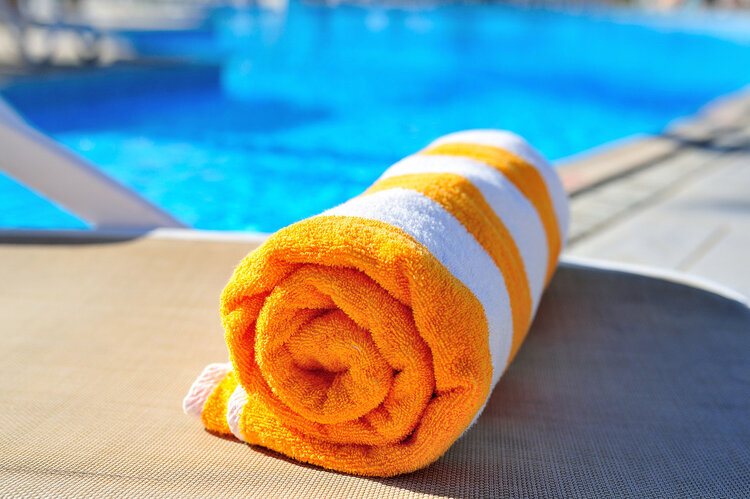
In 2014, the China Textile Association conducted an in-depth survey on the towel usage habits and bacterial colonies on towels in five cities. The survey found that most people used a towel for more than a year, and some even used it until it was worn out before replacing it. Most of these long-used towels contained microorganisms such as Escherichia coli, Candida albicans, and Staphylococcus aureus. When there are wounds or the immune system is weakened, these microorganisms can easily cause some diseases.
Therefore, it is recommended to replace towels every 3 months . Keep towels dry and air them in the sun when possible. Do not share towels with others.
Saving money is good, but you have to be careful not to overdo it. Be reasonable and throw away some things that need to be thrown away. Don't be reluctant to part with them, otherwise, if you get sick, the medical expenses will be much more expensive than these daily necessities!