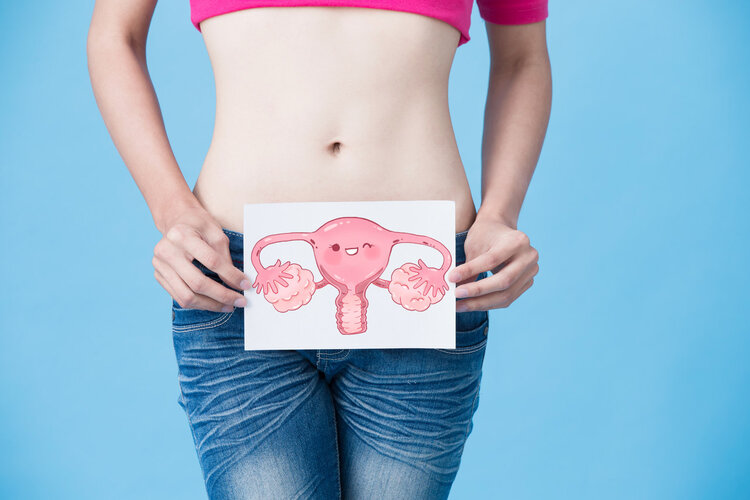
The uterus is an important organ for women. If the uterus is not properly cared for, it can easily lead to various gynecological diseases and even tumors. At the same time, certain unhealthy habits can also be very harmful to the uterus, such as having multiple sexual partners and engaging in unsafe sexual practices.
Women need to pay more attention to their daily lives if they want their uterus to be healthy, and when there are problems with the uterus, the body will send out "SOS signals".
If you experience these four symptoms, there may be a serious problem with your uterus.
1. Irregular vaginal bleeding
Abnormal vaginal bleeding is a common symptom of uterine fibroids , but it is easily overlooked by women who mistake it for menstruation. Intramural fibroids can affect uterine contractions, leading to an increase in the endometrial surface area and affecting the normal occurrence of menstruation. Submucosal fibroids can be accompanied by irregular vaginal bleeding and prolonged menstrual spotting.
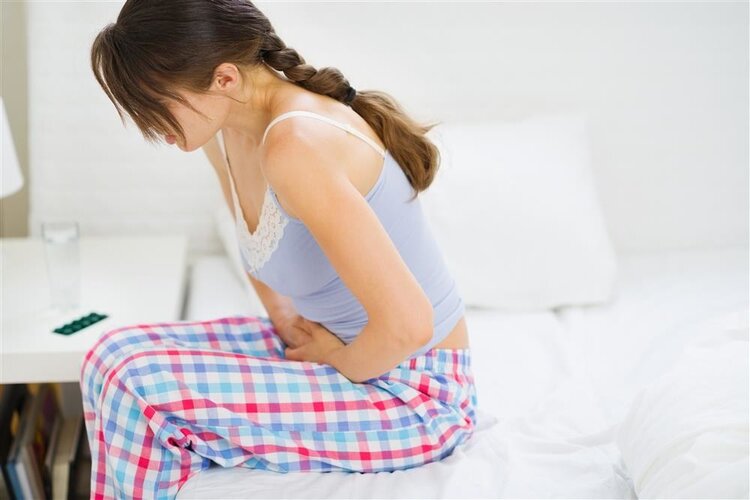
2. Abdominal pain
Large uterine fibroids can compress pelvic nerves, or acute ischemia can cause the fibroids to develop red lesions, further leading to severe abdominal pain. Women experiencing these symptoms should promptly seek a comprehensive medical examination.
3. Abnormal vaginal discharge
Vaginal discharge is an important indicator of the health of a woman's reproductive organs. If uterine fibroids prolapse, ulceration and necrosis may occur on the surface , which can further lead to increased vaginal discharge. If an infection occurs, purulent discharge may also appear.
In addition, if the intramural fibroid is large, it will expand the uterine cavity, increase uterine secretions, and be accompanied by pelvic congestion , which will also lead to increased vaginal discharge.
4. Feeling of pressure in the abdomen
If a woman experiences a feeling of pressure in her abdomen, it may be due to uterine fibroids growing on the posterior wall of the uterus. Compression of the rectum can cause constipation or diarrhea. If the fibroids are located on either side of the uterus, they can compress the ureters and nerves, causing not only pain but also ureteral obstruction, leading to hydronephrosis and swelling in both legs.
The uterus is most afraid of these 3 things; I advise you to do them less often.
The uterus is extremely important for women's reproductive health, and if it is not properly cared for in daily life, it can cause great harm.
Induced abortion
Unplanned pregnancy resulting from unprotected sex or inadequate contraception can cause significant damage to the uterus when leading to an abortion. The abortion procedure itself can result in complications such as post-abortion syndrome, uterine damage, and bleeding .

After the procedure, short-term complications may include incomplete abortion, menstrual irregularities, and infection . In the long term, abortion can cause a series of inflammatory damages to the cervix, cervical adhesions, and pelvic cavity, which can further affect future conception and childbirth.
Multiple abortions can cause irreversible damage to the uterine lining , which can lead to infertility if the damage reaches a certain level. For young, unmarried women, abortion can cause severe psychological burdens, such as anxiety, depression, fear, low self-esteem, and pessimism.
Unsafe sex
Sexually transmitted diseases (STDs) and human papillomavirus (HPV) are both transmitted through sexual contact. Poor hygiene during sex or promiscuous sexual activity can easily lead to cross-infection. HPV infection is a significant risk factor for cervical cancer . In addition, unsafe sex can also cause other gynecological inflammatory diseases.
Early sexual activity
Early sexual activity refers to engaging in sexual behavior before the age of 16. At this age, a woman's reproductive system is not yet fully developed, and early sexual activity can easily lead to infections in girls with relatively weak immune systems.
Furthermore, early sexual activity increases the risk of unintended pregnancy, and subsequent abortion procedures inevitably cause irreversible damage to the uterus. Also, early sexual activity occurs before the cervical epithelium has fully developed, making it more susceptible to HPV infection.
According to relevant data, women who have their first sexual intercourse before the age of 18 have a higher incidence of cervical cancer than other women.

In these 5 situations, it's best to abstain from sexual activity.
After an abortion: Avoid sexual intercourse too soon after the procedure. Refrain from sexual activity for at least one month to prevent pelvic inflammatory disease.
Diagnostic curettage: If a curettage is required for diagnosis due to certain diseases, sexual intercourse should be avoided for three days before the procedure and for one month after the procedure to prevent cervical infection.
Cervical biopsy: If cervical cancer is suspected, a cervical biopsy is required. After the surgery, sexual activity should be avoided for two weeks to prevent infection.
Cervical polyp surgery: Cervical polyps are benign lesions. Sexual intercourse is prohibited for two weeks after surgery to avoid infection and inflammation.
Hysterosalpingography (HSG) with iodized oil: This examination is necessary for diagnosing infertility. Sexual intercourse should be avoided for 3 days before and 1 month after the examination to prevent pelvic inflammatory disease.
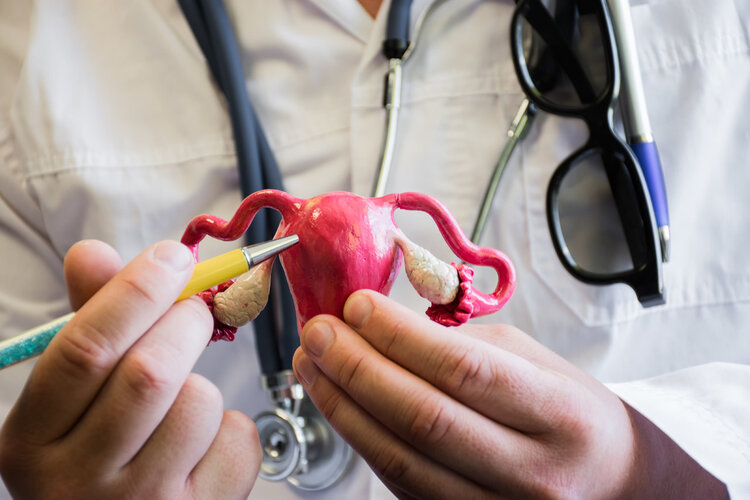
For women, protecting the uterus is protecting their overall health. First, both partners must wash their genitals before sexual intercourse to maintain hygiene and avoid infections caused by viruses and bacteria.
In addition, it is important to use contraception during sexual intercourse to prevent damage to the uterus caused by unintended pregnancy. If a woman has gynecological diseases or other inflammatory conditions, sexual intercourse must be avoided until the disease is completely cured.
Similarly, this also applies to men; if their partner has a sexually transmitted disease or other reproductive system disease, the woman should avoid having sexual relations with them.