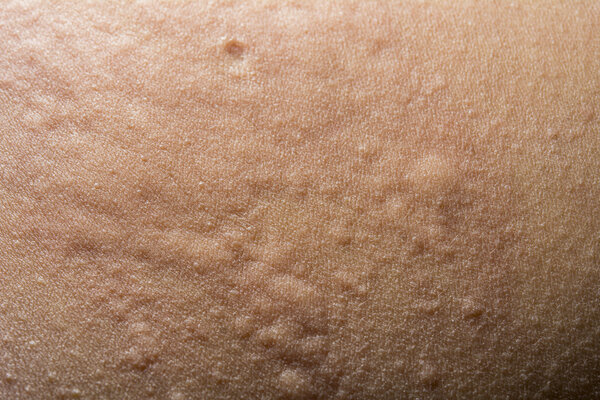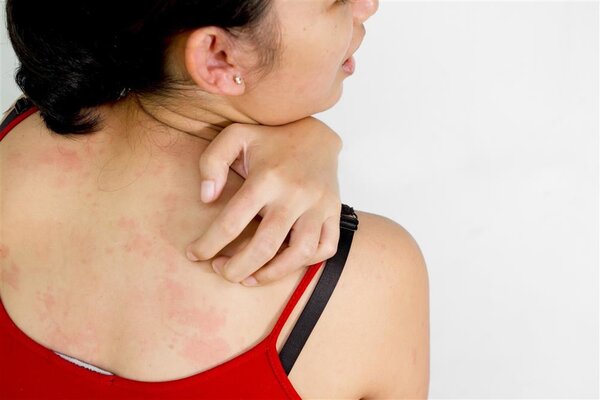
Urticaria is a common disease, characterized by itchy wheals that appear and disappear quickly, causing distress for both children and parents. It is particularly difficult to avoid triggering factors such as food, medications, infections, inhaled substances, and contact allergens, leading to frequent occurrences of urticaria. Why do these factors trigger urticaria? This requires discussing the pathogenesis of urticaria. The pathogenesis of urticaria includes the following:
Allergic: Most cases of urticaria are caused by allergic mechanisms.
Food allergens (mostly foreign proteins) stimulate the body, causing it to produce specific antibodies, IgE (immunoglobulin E). These IgE antibodies attach to mast cells or basophils in the body. When the same food is eaten again, the IgE antibodies bind to the food allergens, causing the mast cells and basophils to release histamine. Histamine then acts on blood vessels, causing them to dilate and increase permeability, resulting in the leakage of large amounts of protein and fluid into the skin tissue, thus producing urticaria (hives). This is a type I hypersensitivity reaction. Many types of urticaria follow this mechanism, most commonly caused by animal proteins such as mutton, fish, shrimp, shellfish, crab, milk, and eggs, as well as plant allergens such as strawberries, tomatoes, and garlic. Other allergens include ingested or injected medications, inhaled mold spores, pollen, and chemicals in the air, and products of various infections or infectious lesions.
Besides the more common Type I hypersensitivity reaction, there are also Types I, II, and IV. For example, urticaria caused by blood transfusions, therapeutic antiserum, globulins, and albumin is a Type III hypersensitivity reaction.
Non-allergic: Some types of urticaria are not caused by allergies, such as:
1. Non-allergic histamine release. Certain drugs (aspirin, morphine, sulfonamides, penicillin, atropine, etc.), as well as other biological, chemical, and physical factors, can directly act on mast cells, causing them to release histamine and leading to urticaria, without requiring an allergic mechanism.
2. Cholinergic urticaria. Heat, exercise, and emotional excitement can cause the release of acetylcholine from the cholinergic nerve endings of the autonomic nervous system. Acetylcholine can directly cause vasodilation and can also promote the release of histamine, triggering urticaria.
3. Direct stimulation of blood vessels can trigger urticaria. Some factors can directly stimulate blood vessels, causing them to dilate and produce urticaria, such as alcohol consumption, mental stress, insomnia, and medications that can dilate blood vessels.
4. Genetic factors. Such as familial urticaria syndrome, delayed familial localized heat urticaria, and hereditary angioedema are relatively rare.
In short, there are many causes of urticaria, and its mechanisms include both allergic and non-allergic factors.