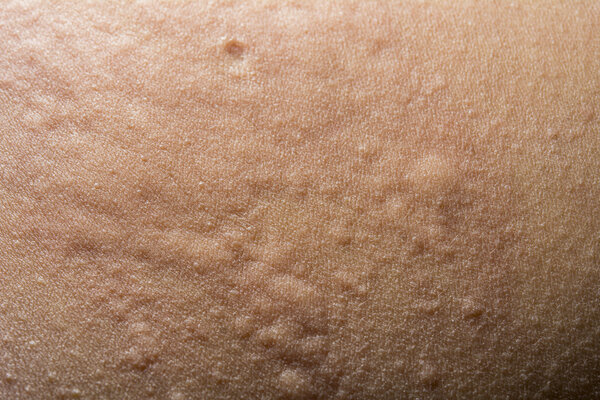
Spring and summer are peak seasons for skin allergies. Some people, due to neglecting certain details in their daily lives, experience a proliferation of allergic skin diseases such as urticaria, angioedema, papular urticaria, eczema, atopic dermatitis, recurrent facial dermatitis, and photosensitivity dermatitis on their skin. This not only severely damages their personal appearance, but many patients also experience intense itching, leading to a vicious cycle of "the more it itches, the more you scratch, and the more you scratch, the more it itches," ultimately resulting in skin infections and serious consequences.
Tip 1: Use cosmetics with caution
It is recommended to always test cosmetics on a small area before use. Specifically, apply a small amount to an inconspicuous part of your face and test it overnight. If there are no adverse reactions, then you can apply it to a larger area.
Tip 2: Think twice before you eat.
Foods that are known to cause skin allergies should be avoided. If you are unsure which food is causing the allergy, you can try to determine if your symptoms improve after stopping consumption of that food. Alternatively, you can have an allergen test done at a hospital to pinpoint the specific food causing the allergy.
Tip 3: Avoid prolonged exposure to direct sunlight.
For patients with photosensitivity dermatitis, experts recommend gradually increasing outdoor activities and taking sun protection measures such as wearing a sun hat or applying sunscreen. This will help strengthen the body's resistance and immunity, improve skin metabolism, and restore normal physiological functions.
Do you have any allergic skin conditions?
Dermatitis, eczema, and urticaria are allergic skin diseases with a high incidence rate and are relatively difficult to treat. These three major allergic skin diseases account for about one-third of all dermatology clinic visits. Urticaria is even more common; statistics show that 15% to 20% of people will experience urticaria at least once in their lifetime.
Eczema generally refers to erythema, papules, vesicles, erosions, oozing, and crusting that appear on the skin without any clear contact, medication, or other cause. Over time, the lesions gradually become thickened and darker in color. The condition fluctuates in severity, recurs frequently, and tends to gradually worsen, making it unbearable and causing anxiety for the patient. Allergic urticaria is a common skin disease, especially prevalent among young urban dwellers under high work pressure. Its symptoms include recurring flare-ups at regular intervals, with each flare-up causing intense itching in the hands and feet, numbness in the limbs, and in severe cases, difficulty breathing and numbness in the head. These flare-ups typically occur at night. Taking antihistamines during an flare-up usually resolves the condition completely, returning the patient to normal.
Internal and external factors cause skin allergies
The causes of eczema and dermatitis are complex, including internal and external factors, which cause dermatitis and eczema to recur due to the interplay of numerous causes and triggering factors.
Internal factors refer to the patient's inherent allergic constitution. This plays a dominant role in the pathogenesis of eczema and dermatitis. Instability of the internal environment, such as chronic digestive system diseases, mental stress, insomnia, excessive fatigue, emotional changes, as well as infectious lesions, metabolic disorders, and endocrine dysfunction, can all induce or aggravate the condition of eczema and dermatitis.
External factors include diet, inhaled substances, climate, and contact with allergens. Among these, seafood, spicy foods, alcohol, inhaled pollen, dust mites, cold weather, and contact with chemicals, soaps, and detergents are the most common triggers for eczema and dermatitis.
To treat allergic skin diseases, first identify the allergen.
Dermatologists emphasize that identifying the allergen is crucial for treating and preventing allergic skin diseases. The causes of urticaria (hives) are also complex; clinically, 80% of chronic urticaria patients cannot find a clear cause. Because of this difficulty in finding a clear cause, treatment is challenging. Precisely because of this difficulty in treatment, doctors often advise patients to take preventative measures while using medication, namely avoiding contact with allergens to reduce the frequency of allergic reactions. In fact, there are thousands of common substances in daily life that can cause allergies, and each patient is not allergic to just one or two substances, but rather nearly ten or even twenty or thirty. This makes preventing and avoiding allergens extremely difficult, leaving patients feeling "unprepared."