"Doctor, please prescribe some sleeping pills for me, I really can't take it anymore."
"It takes me a long time to fall asleep when I lie in bed, but even when I do fall asleep, I wake up every few hours. I also dream every day and open my eyes precisely at 5 or 6 o'clock."
The woman painfully recounted her ordeal to the doctor over the past month. At first, she thought it was due to a disordered biological clock, but no matter how early she went to bed, it had no effect and had even begun to affect her daytime performance.
The doctor sighed helplessly: "It's not a problem with your sleep, this is an illness!"

1. Do people sleep less as they get older? 60% of elderly people suffer from sleep disorders.
Data shows that nearly 60% of the elderly population suffers from sleep disorders. The director of geriatric medicine explained that sleep disorders refer to a syndrome of abnormal sleep caused by various reasons, which is characterized by disordered sleep rhythm, abnormal behavior during sleep, etc., often leading to symptoms of insomnia and sleep-disordered breathing in the elderly.
Why do older adults commonly experience sleep disorders? Firstly, from an age-related perspective, as bodily functions decline , including the cerebral cortex, metabolism slows down, leading to a reduction in melatonin secretion. A lack of melatonin induction results in poorer sleep duration and quality.
In addition, older adults are prone to other underlying diseases , and physical pain can also affect sleep quality; at the same time, the influence of family or social environment on the elderly should not be ignored, as poor physical and mental state can also lead to poor sleep quality.

In addition, after retirement, the elderly will gradually have fewer social activities, and their children will not be around often, which will make them feel lost and lonely. These factors can cause adverse stimulation to the elderly and lead to psychosomatic insomnia.
Data shows that the incidence of sleep disorders among residents is 45.5% , with the elderly accounting for 56.7% of these cases. The elderly already have weakened immune systems, and the added impact of sleep disorders can exacerbate or trigger certain physical illnesses , seriously affecting their physical and mental health.
Second, waking up frequently at night may be due to illness!
Many people leave messages for Xiao Jiu, saying that they often wake up too early, sometimes at three or four in the morning, and then can't fall back asleep. So they want to know if there is any problem with waking up so early.
Waking up frequently between 2 and 4 AM and being unable to fall back asleep is clinically known as early morning awakening. It's generally related to physiological changes caused by aging and a decrease in melatonin. However, if it severely impacts sleep quality, it should be taken seriously, as it may indicate an underlying medical condition.
1. Diabetes
People with diabetes are prone to frequent urination at night because high blood sugar affects the kidneys' ability to reabsorb nutrients, causing sugar to be excreted through urine, thus increasing the number of times they wake up needing to urinate.

2. Heart disease
Between 3 and 5 a.m. is a critical time for the heart to self-regulate and replenish oxygen. If the heart suddenly becomes abnormal, such as experiencing a heart attack, angina, or arrhythmia , the body will actively wake up in order to save itself, thus interrupting sleep.
3. Abnormal lung function
Waking up frequently in the middle of the night could also be a sign of lung disease, which can affect blood circulation and cause insufficient blood supply to the body. In this case, the brain will also send out wake-up signals.

4. Thyroid problems
Both hyperthyroidism and hypothyroidism can cause abnormal secretion of thyroid hormones, which can lead to either an increased heart rate and increased adrenaline secretion, making it difficult to fall asleep, or it can cause sleep apnea, leading to early awakening.
5. Sleep apnea syndrome
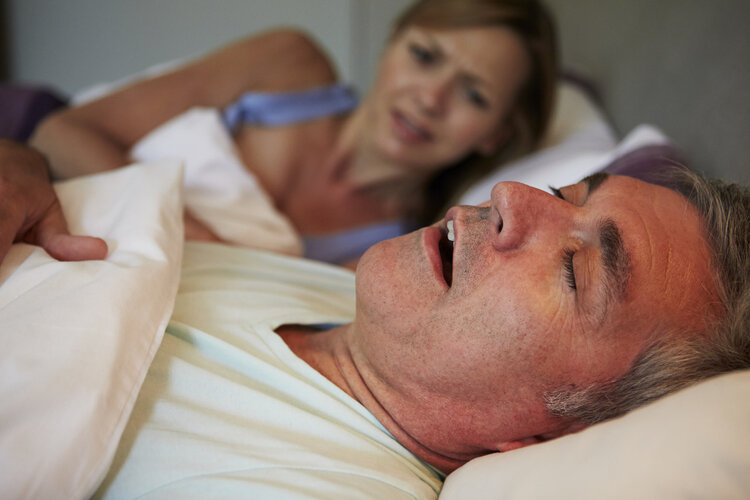
Sleep apnea syndrome is also a type of sleep disorder. Patients will snore loudly , accompanied by snoring intervals and breathing pauses, forcing them to wake up gasping for air. They also have poor sleep quality and feel tired and sleepy after waking up.
III. Are you really sleeping well? 3 standards to measure sleep quality
Many people worry that going to bed early or late will affect their sleep, but there's no need to worry too much about it. To judge whether someone sleeps well, the important thing is the quality of sleep , not the length of sleep.
So, how exactly do you determine if you're sleeping well? You can use the following three criteria to tell:
1. Bedtime
If you can fall asleep within 30 minutes of lying down , then you have no problem falling asleep.
2. Sleep duration
The American Sleep Foundation states that sleep requirements vary with age. It indicates that people over 65, who need less sleep, only need 7-8 hours, while adults under 65 should ideally get 7-9 hours.

3. Feelings after waking up
If you feel refreshed after waking up, it means your body has had sufficient rest and your sleep quality is good; if you feel listless, it may be because you kept waking up and falling asleep, preventing your body from relaxing and resulting in poor sleep quality.
IV. Three Tips to Help Seniors Improve Sleep Quality
Whether older adults sleep well directly affects their physical health, so improving sleep quality is crucial. Experts suggest starting from the following aspects.
1. Create a bedtime atmosphere
Before going to sleep, adjust the bedroom temperature and humidity to maintain a constant and comfortable state. Make sure to ventilate the room to ensure good air circulation and create a suitable sleeping environment.

2. Correct bad lifestyle habits
Dinner should not be too heavy , but it should not be too light either. Eating too much can cause indigestion and difficulty falling asleep at night, while eating too little can make you hungry at night and also affect your sleep. At the same time, try to drink less water before bed and avoid strong tea, coffee and other stimulating drinks.
3. Engage in appropriate exercise during the day.
Exercising during the day burns calories and builds up fatigue, allowing for more restful sleep at night. At the same time, moderate exercise is beneficial to overall health – a win-win situation. However, it's important to avoid excessive exercise before bed , as the body's initial warm-up and adrenaline surge can make it difficult to fall asleep.

If you also have sleep problems, you might want to try these scientific methods to get a good night's sleep. However, if the sleep disorder is caused by pathological factors, you should seek medical attention promptly for diagnosis and treatment. Only by addressing the root cause can you better resolve your sleep problems.