Before giving birth, you can undergo medical examinations such as the Treponema pallidum gelatin agglutination test, rapid plasma reagin ring card test, non-Treponema pallidum antigen serological test, fluorescent treponemal antibody absorption test, and cerebrospinal fluid analysis to assess whether you are infected with syphilis. If you suspect you are infected or have a history of infection, it is recommended that you seek medical attention promptly and receive professional treatment.
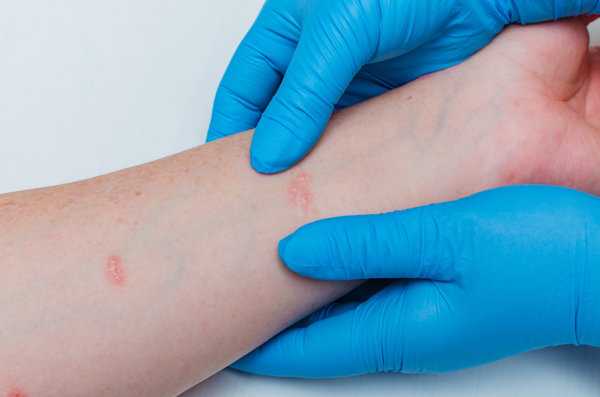
1. Treponema pallidum gelatin agglutination test
The Treponema pallidum gelatin agglutination test is used to detect the presence of syphilis infection. This is determined by collecting a blood sample and performing laboratory analysis.
2. Rapid plasma reagin ring card test
The rapid plasma reagin (RPR) ring card test can quickly screen for syphilis infection. This test is usually performed in a clinic, where a doctor will draw a blood sample from the patient to detect the presence of antibodies associated with syphilis.
3. Serological test for non-treponemal antigens
Non-treponemal antigen serological tests are primarily used for early syphilis diagnosis and monitoring of treatment efficacy. These tests are performed by professional medical staff in a hospital through skin tests or blood draws.
4. Fluorescent spirochete antibody absorption test
The fluorescent treponemal antibody absorption assay aims to confirm a positive result for Treponema pallidum-specific IgM. The patient's blood sample is mixed with serum from a known syphilis-free individual before being sent for testing.
5. Cerebrospinal fluid analysis
Cerebrospinal fluid analysis helps assess whether there are signs of syphilis activity in the central nervous system. This test requires the aspiration of a small amount of cerebrospinal fluid under sterile conditions, which is then sent to a laboratory for routine, biochemical, and microbiological testing.
All of the above tests require fasting and may require advance booking. It is recommended to avoid high-fat foods and caffeinated beverages for at least 8 hours. For any special circumstances or questions, please consult a healthcare professional.