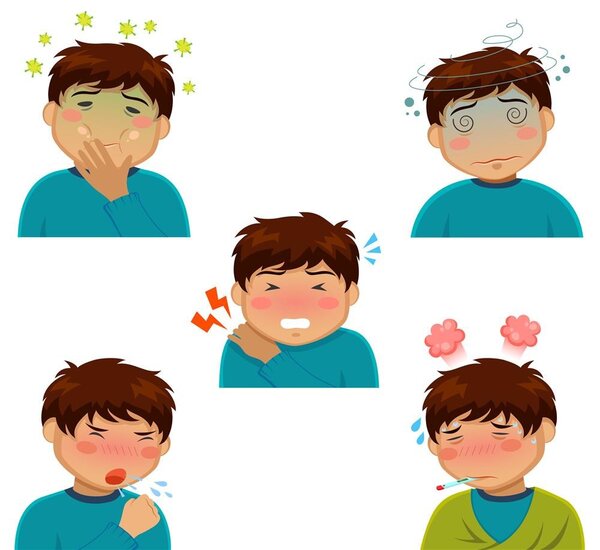
Symptoms of excess pathogenic factors include fever, thirst, thick and greasy tongue coating, constipation, and yellow urine. These symptoms may indicate pathological changes such as excess heat or excess cold in the body. It is recommended to seek medical attention for accurate diagnosis and treatment.

1. Fever
Excessive pathogenic factors typically refer to the invasion of external pathogenic factors into the body. These pathogenic factors, such as wind-cold, summer heat, and dampness, stimulate the body to produce an immune response, leading to a disorder of the body's temperature regulation center and resulting in fever. During a fever, due to accelerated metabolism, the body needs more water to dissipate heat, thus causing symptoms such as dry mouth and throat. In addition, it may be accompanied by symptoms such as poor sweating, headache, and loss of appetite.
2. Thirst
When there is a pathogenic factor, it easily depletes body fluids, leading to insufficient body fluids and causing thirst. This type of thirst is characterized by a dry mouth, requiring frequent drinking to relieve discomfort, and may be accompanied by pharyngeal congestion, a red tongue with little coating, and other symptoms.
3. Thick tongue coating
If there is damp-heat in the body, the dampness will obstruct the middle jiao (middle burner), causing the spleen to lose its function, resulting in a thick, greasy tongue coating. A thick, greasy white tongue coating is common in people with phlegm-dampness constitution, often accompanied by symptoms such as fatigue, weakness, limb soreness, and a dull complexion.
4. Constipation
Excessive pathogenic factors may disrupt the flow of qi and blood, thereby affecting the normal peristalsis and excretion function of the intestines, leading to constipation. Symptoms include dry stools, difficulty in defecation, reduced frequency of defecation, or even once every few days, and may be accompanied by abdominal distension, anal pain, and other discomforts.
5. Yellow urine
Yellow urine caused by pathogenic factors is mainly due to the accumulation of damp heat in the body, which leads to impaired bladder function and abnormal bilirubin metabolism, resulting in bilirubin being excreted in the urine. The urine is dark yellow and cloudy, and may be accompanied by symptoms such as frequent urination, urgency, and painful urination. In severe cases, back pain and fever may occur.
For symptoms of excess pathogenic factors, relevant laboratory tests can be performed, such as complete blood count, urinalysis, and stool routine examination with occult blood test, to assess the condition. Treatment measures include traditional Chinese medicine conditioning, such as formulas like Biao Li Shuang Jie Tang and Ge Gen Qin Lian Tang. Patients should maintain good lifestyle habits, avoid excessive fatigue and emotional fluctuations, and eat a light and easily digestible diet, avoiding spicy and irritating foods to facilitate recovery.