The tension I felt when opening my medical examination report was no less than when I looked at my exam results back then.
Some people have all their health indicators "normal," yet they are suddenly diagnosed with cancer; others are diagnosed with various ailments, begin to panic, and desperately seek treatment from unqualified practitioners...
In fact, expensive medical check-up packages may contain hidden "tricks," and some of the diseases reported may not require treatment at all!
1. Stay away from unreliable medical examination items.
1. Blood calcium test for children
A simple finger prick can tell if a child is calcium deficient, a common checkup procedure many parents have done when taking their children for routine checkups. However, industry insiders consider blood calcium testing for children to be one of the most unreliable medical examination methods.
It turns out that checking blood calcium involves drawing blood to measure trace elements and determine if there is a calcium deficiency. Doctors explain that trace element testing has no other valuable significance besides checking blood lead levels . This is because only 1% of the body's calcium exists in the blood; even if a calcium deficiency is detected, it only represents the blood level, not the total amount in the body.
Moreover, the body has a self-regulating ability to maintain a relatively constant blood calcium level, so it is difficult to detect calcium deficiency from the blood.
2. Color Doppler ultrasound examination of the prostate
When men over 40 years old undergo a physical examination, there is often a test called "prostate ultrasound," which is used to screen for prostate cancer.
The truth is, cancers appear the same on ultrasound, and ultrasound cannot distinguish between benign and malignant nodules , thus it cannot provide a definitive diagnosis and is of little use. What is truly needed is a PSA (prostate-specific antigen) test or an MRI. A digital rectal exam can also be performed routinely and can detect some problems.
3. Cervical smear
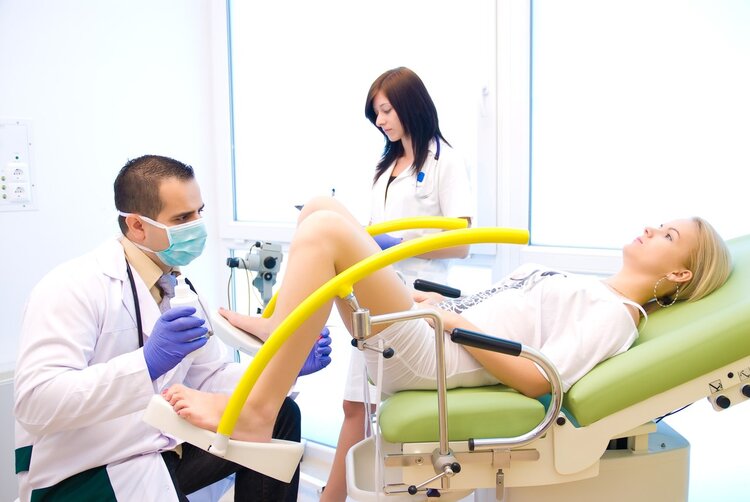
Similar to prostate ultrasound, cervical smears are a common procedure used by women during physical examinations to rule out cervical cancer.
A cervical smear involves taking a small sample of cells from a woman's cervix and examining it under a microscope for abnormalities. However, surveys show that the satisfaction rate of cervical smears is only 60%, meaning that 40% of cases fail to detect any abnormalities in the uterus . The most reliable screening test for cervical cancer is the TCT (ThinPrep Cytology Test), which can detect cervical cancer cells, precancerous lesions, and inflammatory cells.
4. Tests to detect stomach cancer
When people go for a physical exam due to stomach discomfort, they are usually asked to have blood tests to check hematocrit, hemoglobin, fecal occult blood, and gastric juice levels. However, these indicators only play a supporting role in indicating the health of the stomach and cannot diagnose stomach cancer. Even if tumor markers are found elevated during the test, it does not necessarily mean that cancer is present.
The best way to screen for stomach cancer is through gastroscopy . If abnormalities are found, a biopsy can be performed to determine if a tumor is present.
Second, if you are diagnosed with these diseases, you don't need treatment; don't be fooled!
Shortly after the physical examination, the results came out. Very few people had no problems at all. Many people would have issues such as anemia, malnutrition, high blood pressure, high blood sugar, and high cholesterol, but the conditions were not serious and only required adjustments to their habits.
A small number of people are diagnosed with illnesses and need to seek medical treatment. However, the following types of illnesses do not require much attention, as they may not require treatment!
1. Pelvic effusion
Pelvic effusion is divided into physiological and pathological types. Physiological pelvic effusion usually occurs after ovulation, before menstruation, or in early pregnancy and can disappear naturally. Generally, pelvic effusion of less than 3 cm does not require special treatment.
Pathological pelvic effusion may be caused by inflammation, internal bleeding, or tumors, requiring timely medical attention to determine the cause and receive appropriate treatment. Therefore, if pelvic effusion is found during a physical examination, do not panic. First, determine whether it is physiological or pathological before proceeding with targeted treatment.
2. Brain atrophy
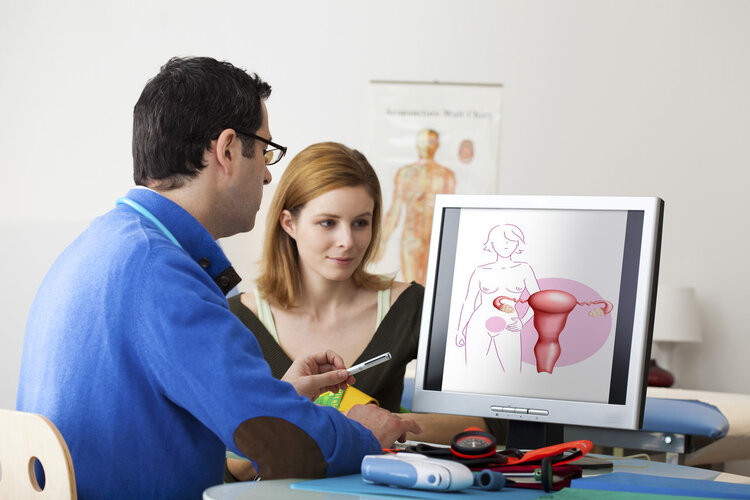
Some people get terrified when they see "brain atrophy" in their medical examination results, fearing that they will become stupid or demented.
In fact, our brains also gradually age. Therefore, brain atrophy is a common phenomenon after a certain age . However, it is important to note that brain atrophy is divided into physiological atrophy and pathological atrophy. In the early stages, follow-up is recommended, and self-regulation can be achieved through a light diet, moderate exercise, and kidney-tonifying and brain-nourishing methods.
If you experience any discomfort or symptoms that affect your daily life, seek medical attention promptly to avoid increasing your risk of developing Alzheimer's disease.
3. Breast hyperplasia
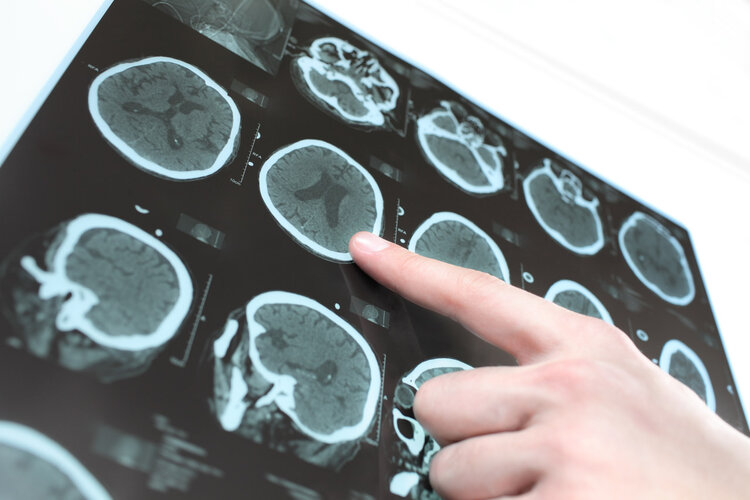
During physical examinations, 9 out of 10 women may be diagnosed with breast hyperplasia. This means that breast hyperplasia is very common and is a normal physiological structural change. Cysts are benign, with a low chance of becoming cancerous, and generally do not require treatment . Simply maintain healthy lifestyle habits, avoid negative emotions such as stress, anxiety, and depression, and have a follow-up breast ultrasound every six months.
4. Liver calcification
Liver calcification is related to factors such as congenital development and calcium and phosphorus metabolism disorders. It may also be caused by calcium salt deposits forming during the healing process after liver trauma, which is relatively common in patients with liver disease and is considered a normal phenomenon . Although liver calcification will not disappear on its own, it will not continue to develop and usually does not cause physical discomfort, so there is no need to worry excessively.

As living standards improve, more and more people are realizing the importance of regular physical examinations. However, many items during these examinations are unnecessary, and we need to learn how to identify them.
Furthermore, if the physical examination results are not optimistic, you should actively seek treatment and not avoid it, but be mindful to avoid overtreatment . In any case, regular physical examinations are essential for early detection of health abnormalities and ensuring good health.