What is the difference between drinking alcohol after taking cephalosporins and drinking alcohol before taking cephalosporins?
In reality, these two situations lead to very different results.
Drinking alcohol after taking cephalosporins
If you drink alcohol after taking cephalosporins, you should stop drinking immediately, keep warm, drink sugar water to promote urination, and lie down to rest. Mild cases can be relieved by these measures.
If severe symptoms such as paleness, profuse sweating, or vomiting occur, call emergency services immediately. Simultaneously induce vomiting to clear any vomit or secretions from the mouth and nose. Also, be sure to turn the head to the side to prevent suffocation.
How long after using cephalosporins should one refrain from drinking alcohol?
This issue needs to be considered from four aspects: first, the strength of the drug's inhibition of aldehyde dehydrogenase; second, the elimination half-life of the drug; third, the recovery time of aldehyde dehydrogenase after inhibition; and fourth, the different physical conditions of different patients.
Different medications have different guidelines, and older adults require even longer waiting times . In general, it is recommended to wait at least one week after using cephalosporins before refraining from drinking alcohol or consuming alcoholic foods or medications, and a two-week interval is considered safe before drinking alcohol.
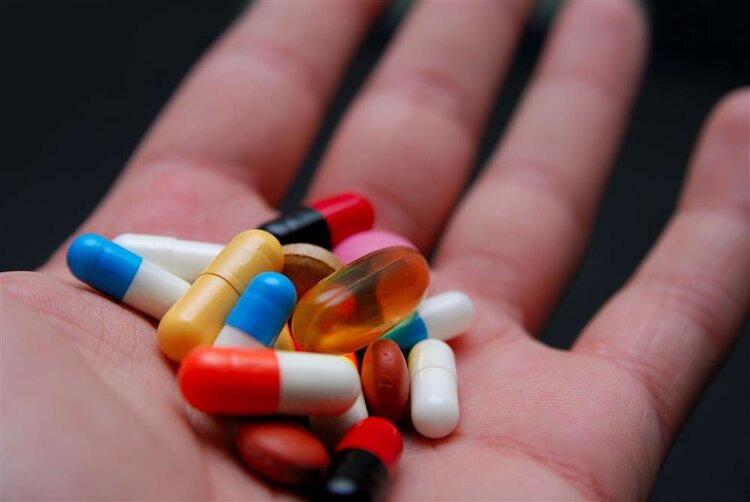
Taking cephalosporins after drinking alcohol
If a disulfiram-like reaction occurs, mild cases may present with facial or generalized skin flushing, dizziness, headache, palpitations, nausea, and vomiting. Severe cases may experience chest tightness, difficulty breathing, shock, or even loss of consciousness and incontinence, posing a life-threatening risk.
How long after drinking alcohol should you refrain from taking cephalosporins? It depends on whether there are still ethanol and acetaldehyde residues in your body.
According to the results of a domestic study of healthy volunteers, the pharmacokinetic parameters of ethanol can vary significantly among different individuals.
Ethanol's peak time is approximately 0.8–2.0 hours, and its elimination half-life is 0.5–2.6 hours, meaning it takes 3–15.6 hours for ethanol to be essentially eliminated from the body. Acetaldehyde, as a metabolite of ethanol, requires even longer to be eliminated from the body. Therefore, cephalosporins should not be used within one day after drinking alcohol, and cephalosporin antibiotics that cause disulfide reactions should be avoided for 2–3 days.
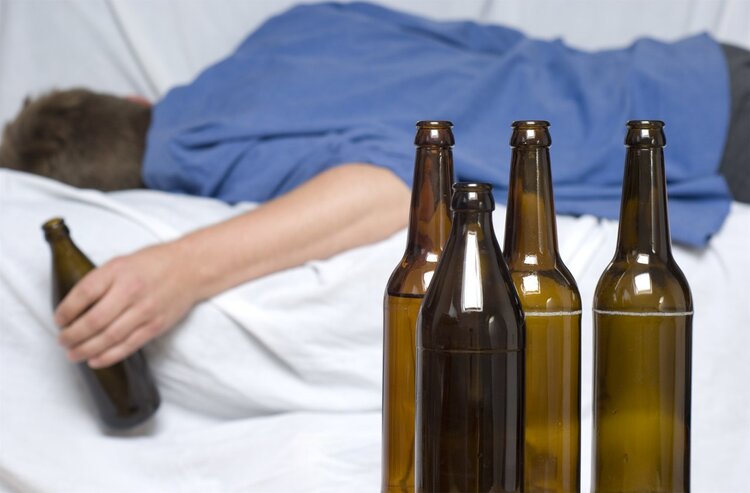
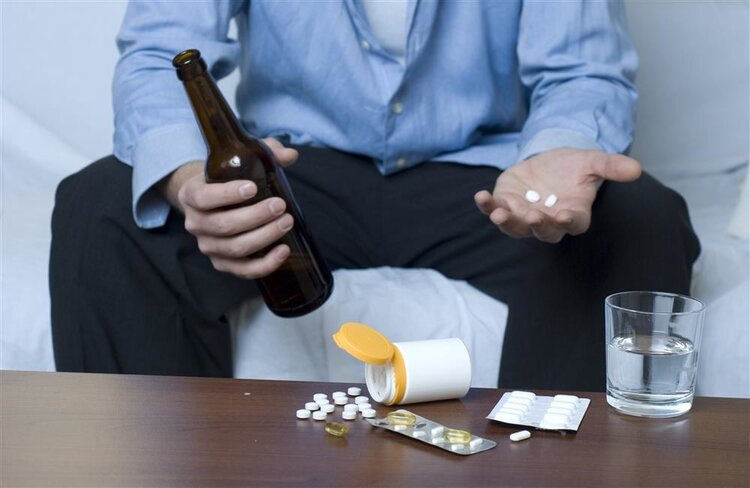
II. Besides cephalosporins, these are other medications that should be avoided when drinking alcohol.
Cephalosporins that can cause disulfiram-like reactions include cefoxitin, cefoperazone, latamoxef, cefamandole, cefuroxime, ceftazidime, ceftriaxone, cefaclor, cefotiam, etc.
Many people now know the common knowledge that alcohol should not be used with cephalosporins. In fact, besides cephalosporins, there are some other medications that should not be used with alcohol at the same time.
Antipyretic analgesics: Aspirin, acetaminophen , and other drugs can irritate and damage the gastric mucosa. Alcohol also has a harmful effect on the stomach. Therefore, using both at the same time may lead to symptoms such as gastritis, gastric ulcers, and gastric bleeding. In severe cases, it may even cause shock and pose a serious threat to life.
Some antihypertensive drugs: If you drink wine after taking antihypertensive drugs such as reserpine and captopril , the tyramine in the wine cannot be broken down, which may cause vasodilation, low blood pressure, or even life-threatening symptoms such as shock.
Hypoglycemic drugs: Alcohol can stimulate insulin secretion. Diabetic patients who drink alcohol while taking oral hypoglycemic drugs may experience hypoglycemia. Symptoms often include palpitations, weakness, sweating, and excessive talking, which are difficult to distinguish from the symptoms of drunkenness. Additionally, mixing metformin with alcohol may cause a side effect: an increased risk of lactic acidosis .

Sedative-hypnotic drugs, such as phenobarbital, chloral hydrate, diazepam, and nitrazepam, are brain depressants. When used with alcohol, the absorption of alcohol is accelerated and the metabolism is slowed down under the influence of ethanol, resulting in a rapid increase in drug concentration in a short period of time.
Alcohol initially excites and then inhibits the central nervous system. Combined with these brain depressants, it can impair normal central nervous system function, potentially leading to coma, shock, respiratory failure, or even death. Furthermore, the combined use of sleeping pills such as diazepam or ambroxol with alcohol is also dangerous, potentially causing severe drowsiness and dizziness.
Antidepressants: Both antidepressants and alcohol have a slowing effect on the central nervous system, affecting brain function and cognitive abilities. Using both together can cause drowsiness, impair judgment, physical coordination, and reaction time, and may even worsen depression.
Monoamine oxidase inhibitors can interact with alcohol , so both should be avoided completely.
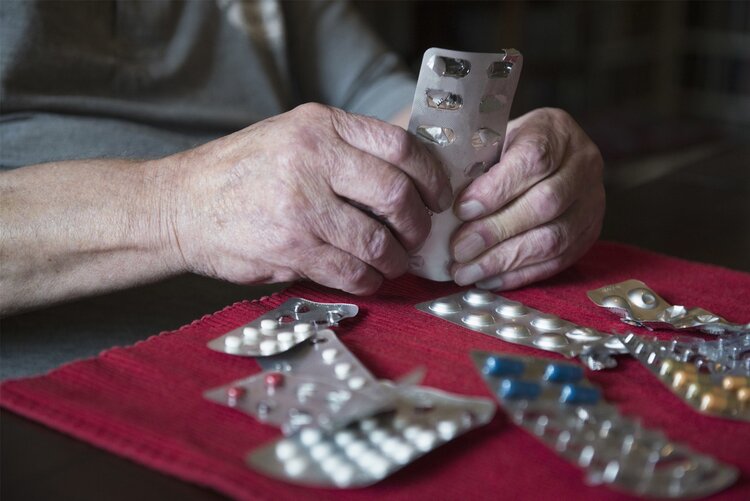
Third, even a drop of alcohol is harmful, but the benefits of abstaining from alcohol are obvious.
Despite numerous public education campaigns explaining the dangers of alcohol, many other claims continue to emerge: "Moderate drinking is good for cardiovascular health," "Drinking before bed helps with sleep and is good for your health," and "Moderate drinking is fine, but excessive drinking is not good"... These are all incorrect.
The Lancet clearly states that even a single drop of alcohol offers no benefit. However, abstaining from alcohol will bring you health.
The Royal Free Hospital in London conducted an experiment on three groups of women, asking them to abstain from alcohol for a month and comparing the changes before and after. Researchers divided the women into three groups based on their alcohol consumption: light drinkers, moderate drinkers, and heavy drinkers.
Results from three groups of women who abstained from alcohol showed that light drinkers experienced a 14% reduction in liver stiffness and cytokinin levels, and a 6 mmHg decrease in systolic blood pressure. Moderate drinkers experienced a 9 mmHg decrease in systolic blood pressure, while heavy drinkers saw a 40% reduction in cytokinin levels and a 15% reduction in liver stiffness, along with a 10 mmHg decrease in systolic blood pressure. Some of the women also experienced weight loss, improved sleep quality, and greater mood stability.

Life and health are paramount. In our daily lives, we should avoid taking medications and alcohol together, and reduce our alcohol consumption for the sake of our health.