
Did you know that if certain areas of your body turn black, it could actually be a sign of cancer?

1. Dark complexion
If a person has a dark complexion, rough and dull skin, and severe dark circles under their eyes, it could be a sign of liver disease, or even liver cancer. This is because poor liver function can cause endocrine disorders, reduce adrenal cortex function, and weaken the liver's ability to inactivate estrogen, further leading to pigmentation. Over time, the skin color will change.
Therefore, it's essential to pay attention to your complexion, especially for those who drink alcohol regularly or have hepatitis B, as these are major contributing factors to liver disease. If you or someone around you notice that your complexion is unhealthy, you should immediately have a liver CT scan to detect liver cancer early.
II. Darkening of the skin
If the skin all over the body darkens, especially the neck and chest, turning dark brown, it may be related to pancreatic tumors. Extensive darkening of the skin could be acanthosis nigricans caused by metastatic pancreatic cancer. This is because pancreatic tumors secrete certain cytokines that alter the skin and mucous membranes, resulting in abnormal symptoms such as darkening and keratinization. In such cases, it is crucial to immediately consult a doctor to rule out pancreatic tumors. Most pancreatic tumors are benign and low-grade; with timely intervention and active treatment, the prognosis is good.
3. Black stool
Normal stool color is yellow. If it is black, it is necessary to first determine whether it is "true melena" caused by bleeding or "false melena" caused by diet. For example, taking iron supplements, bismuth preparations for treating stomach problems, or eating animal blood such as pig's blood or sheep's blood can all cause "false melena".
If you have black stools accompanied by symptoms of anemia such as paleness, dizziness, and weakness, it may indicate gastrointestinal bleeding. It is recommended to have a fecal occult blood test as soon as possible. A positive result indicates gastrointestinal bleeding. Black stools usually occur because the bleeding site is higher up and the bleeding is slower, caused by the formation of iron sulfide from hemoglobin due to the action of sulfides in the stool. However, bleeding from some lower gastrointestinal diseases can also cause black stools.
Common digestive system diseases that cause black stools include gastritis, peptic ulcers, intussusception, esophageal varices, and malignant tumors of the digestive tract. There's no need to panic. Cooperate with your doctor for further examination to determine the cause and then receive appropriate treatment.
IV. Three types of precancerous lesions before cancer
Cancer has a complex pathogenesis, and almost all malignant tumors develop into precancerous lesions. Through diagnosis and examination, most precancerous lesions can be definitively diagnosed. Therefore, there's no need to panic if a precancerous lesion is found; follow-up examinations and surgery should be performed as needed. However, it's important to understand what constitutes a precancerous lesion.
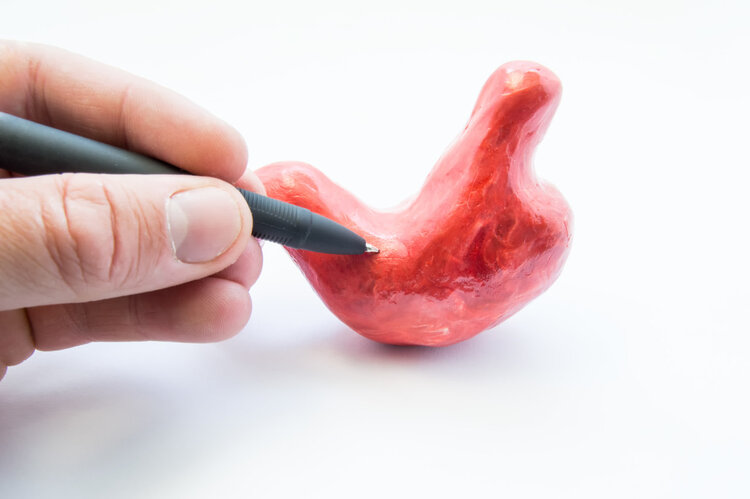
1. Chronic atrophic gastritis → gastric cancer
The general progression of gastric cancer is as follows: normal gastric mucosa → chronic superficial gastritis → chronic atrophic gastritis → intestinal metaplasia and dysplasia → gastric cancer.
Chronic atrophic gastritis can be a precancerous lesion or a precancerous symptom, indicating a relatively increased risk of cancer. When the gastric mucosa shows epithelial dysplasia or intestinal metaplasia (gastric mucosa being replaced by intestinal-type mucosa), it is very likely a manifestation of precancerous lesions.
Chronic atrophic gastritis can be diagnosed through gastroscopy and mucosal biopsy . Common symptoms include upper abdominal pain, bloating, abdominal discomfort, and loss of appetite. As long as regular treatment is received in time during the chronic phase, it usually will not become cancerous.
For superficial gastritis, it is recommended to have a gastroscopy every 3 years, while for chronic atrophic gastritis, a gastroscopy should be performed every 1-2 years , and active cooperation with treatment is essential. Additionally, it is necessary to check for Helicobacter pylori infection and, depending on the situation, receive standardized antibacterial treatment.
The severity of atrophic gastritis is positively correlated with smoking and drinking, so it is recommended to quit smoking and drinking. In addition, it is important to maintain a regular diet, chew food thoroughly, avoid overeating, eat less pickled food, and avoid spicy and moldy food.

2. Atypical adenomatous hyperplasia → Lung cancer
Atypical adenomatous hyperplasia in pulmonary nodules is a precancerous lesion of lung cancer . Most pulmonary nodules are benign; only a small percentage are precancerous lesions or lung cancer. The larger the nodule, the greater the likelihood of malignancy. If a pulmonary nodule is found during a physical examination, there is no need to panic excessively, but it should not be ignored either. Further examination and diagnosis should be conducted promptly to determine its nature, and then observation or treatment should be carried out according to the actual situation.
Once a precancerous lesion for lung cancer is diagnosed, timely intervention is crucial : undergo annual low-dose spiral CT screening for early-stage lung cancer. If you smoke, quit immediately to reduce your risk of lung cancer. Ensure proper indoor ventilation to prevent micro-environmental air pollution from inducing cancerous changes. Minimize frying and deep-frying during cooking. Before cooking, open windows and turn on the range hood; after cooking, keep the range hood running for 5-10 minutes before turning it off.
3. Adenomatous intestinal polyps → colorectal cancer
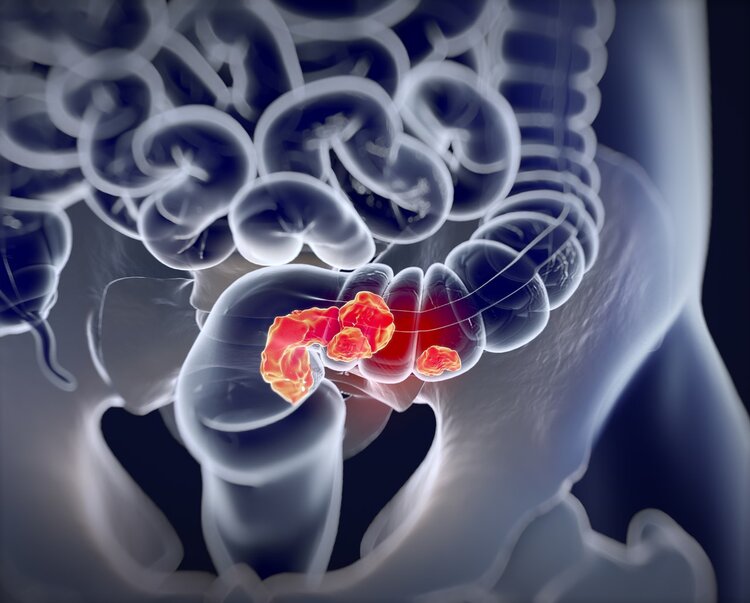
Adenomatous polyps are recognized as precancerous lesions of colorectal cancer. Because adenomatous polyps are closely related to colorectal cancer, more than 95% of colorectal cancers originate from colorectal adenomas , which is equivalent to a "time bomb".
Generally speaking, it takes an average of 5-15 years for a polyp to develop into cancer . If the polyp is removed endoscopically during this period, the incidence of colorectal cancer can be significantly reduced. Even if the polyp has partially become cancerous, as long as the cancer cells are still located in the colonic mucosa, it can be removed endoscopically, achieving a cure.
It is recommended that people over 50 years of age have a colonoscopy every 5 years and a digital rectal exam annually. If polyps are found, they should be removed as soon as possible. Quit smoking and drinking alcohol to reduce the incidence of intestinal polyps. Reduce your intake of high-animal-protein and high-fat foods, as well as refined grains, pickled foods, and smoked foods. Eat more vegetables, fruits, and whole grains. Exercise at least 3 times a week for at least 30 minutes each time.

As cancer develops, some visible lesions will appear. If you notice anything unusual in your body, you should be vigilant and promptly go to the hospital for examination to determine the cause. Even if you are diagnosed with precancerous lesions or cancer, do not panic excessively. Early detection, early treatment, and active cooperation can greatly reduce the risk of malignancy.