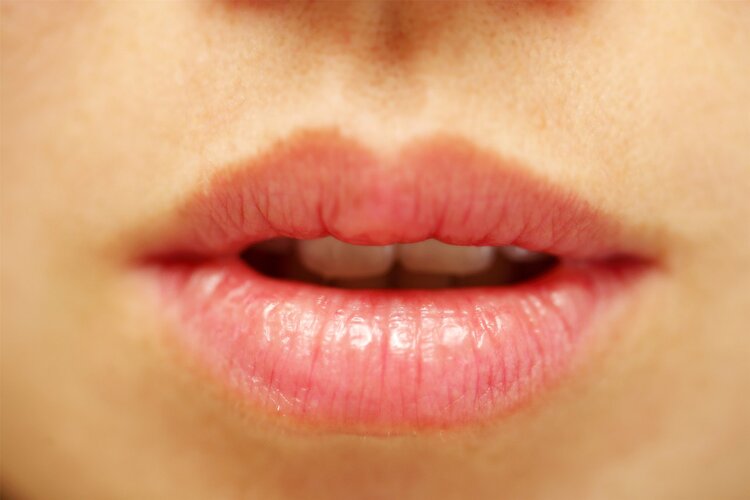
Recently, a fan messaged me saying that with winter approaching, she's been eating a lot of "heaty" foods like hot pot and barbecue, which has caused her to develop chrysanthemum angular cheilitis (cracked corners of the mouth). She was planning to make some chrysanthemum tea to cool down, but a friend said that the chrysanthemum angular cheilitis might indicate an internal inflammation and that she should take anti-inflammatory medication.
She was a little confused, so she asked Xiaomiao whether cracked corners of the mouth were caused by internal heat or inflammation, and what symptoms would appear if there was inflammation in the body.
Like many people, I think that cracked corners of the mouth are just a sign of internal heat, but there are actually two reasons for cracked corners of the mouth: first, there is inflammation in the body, and second, it is caused by the herpes virus.

I. Three major symptoms that indicate inflammation
Like many others, I don't know how to tell if I have inflammation or a series of symptoms caused by a virus. In fact, if your body shows the following three signs, it means you have inflammation.
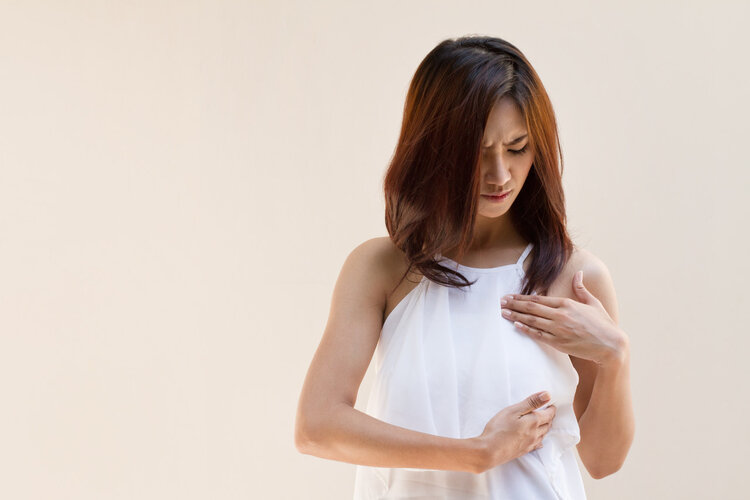
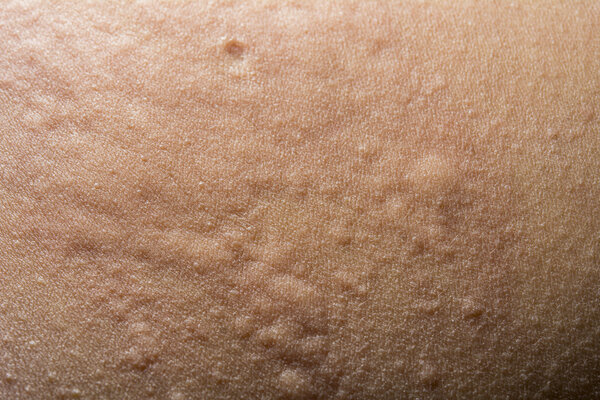
● Skin redness: When there is inflammation in the body, it will cause local congestion, which will slow down blood flow and manifest as redness on the skin. Sometimes, due to the large amount of heat brought by the blood, local fever may also occur.
● Edema: When inflammation occurs, it can cause local tissue swelling, which is called inflammatory edema.
● Pain: Pain is a signal from the body that inflammation should be treated as soon as possible. Pain can be mild or severe, and the location of the inflammation will affect the pain. For example, inflammation of the gums is often severe, while if the inflammation is in a loose tissue area, the pain will be relatively mild.
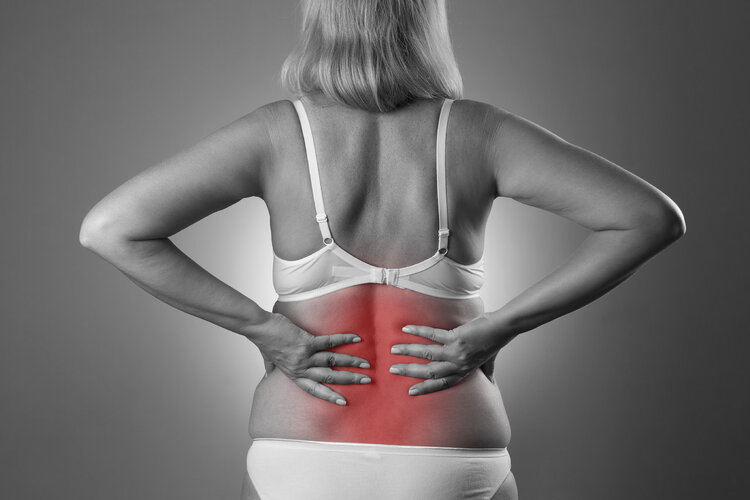
II. What are the diagnostic methods of inflammation in Traditional Chinese Medicine (TCM), and what are its advantages?
From the perspective of Western medicine, inflammation refers to the process in which tissue cells undergo varying degrees of damage to their morphology and structure, resulting in congestion, swelling, degeneration, vascular destruction and necrosis, local ischemia, and circulatory disorders. The essence of inflammation is the contradictory struggle of the body against damage caused by inflammatory factors.
Under normal circumstances, the inflammatory response activates the body's immune system, enhancing the body's ability to resist inflammatory damage; it is an automatic defense mechanism. When the inflammatory response is severe, Western medicine primarily uses antibiotics, corticosteroids, and methods to improve local ischemia and metabolism for symptomatic treatment.
While traditional Chinese medicine (TCM) does not explicitly use the term "inflammation," it considers inflammation to be a form of "heat syndrome , " often caused by various factors such as external pathogens and internal injuries. Clinically, it presents with various syndrome types, including superficial heat syndrome, internal excess heat syndrome, and mixed deficiency and excess syndrome. Therefore , TCM treatment of inflammatory diseases is not simply about reducing inflammation or clearing heat, but rather about using a comprehensive approach based on syndrome differentiation, employing methods such as relieving exterior symptoms, clearing heat, warming and unblocking, and tonifying to achieve overall regulation.
Traditional Chinese medicine (TCM) treats inflammatory diseases by addressing multiple aspects and mechanisms simultaneously. It eliminates various pathogenic factors and the resulting local inflammatory responses, while also regulating the body's immune system. Compared to Western medicine, TCM's approach to treating inflammatory diseases is broader in scope and has fewer side effects. However, TCM also has its limitations. Treatment time is longer than with Western medicine. For severe cases of inflammation, a combination of TCM and Western medicine is recommended, as it reduces complications, shortens hospital stays, and saves on medical expenses.
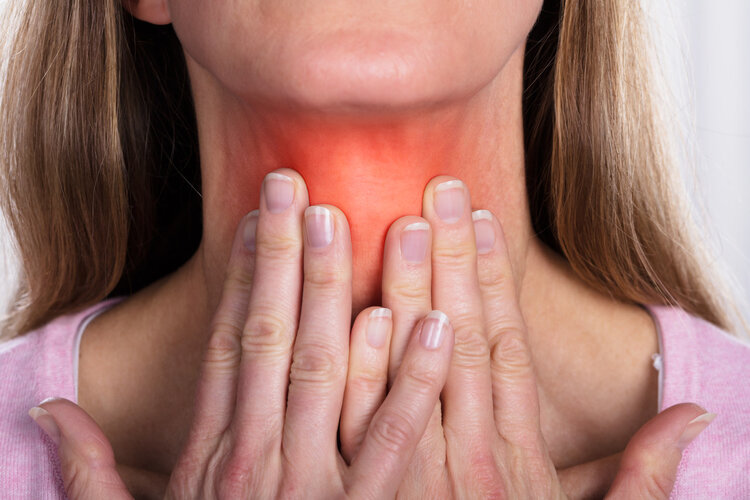
Third, if you have inflammation in your body, don't just take anti-inflammatory drugs; try these three traditional Chinese medicine methods.
If you have inflammation in your body, you might want to try these three treatment methods from Traditional Chinese Medicine.
1. Press the Yimen acupoint
Traditional Chinese medicine believes that a major cause of inflammation in the body is the blockage of the channels for fluid circulation. The human body is mostly composed of fluids, such as urine, blood, and saliva. The Yimen acupoint means "gate of fluids" and is a key acupoint for unblocking the flow of fluids. It has the effect of clearing heat and purging fire, and is very useful for reducing inflammation. The Yimen acupoint is located between the ring finger and the little finger. When you feel inflammation in your body, you can press the Yimen acupoint.
2. Niuhuang Jiedu Tablets
Niuhuang Jiedu tablets have the effects of clearing heat and detoxifying, and relieving constipation. In traditional Chinese medicine, they are often used to treat internal heat and inflammation. They are considered a genuine product for clearing heat and detoxifying. However, people with weak spleen and stomach, allergies, and pregnant women should use them with caution. Although Niuhuang Jiedu tablets are a traditional Chinese medicine, they should not be taken in large quantities or for a long period of time.
3. Adjust your diet
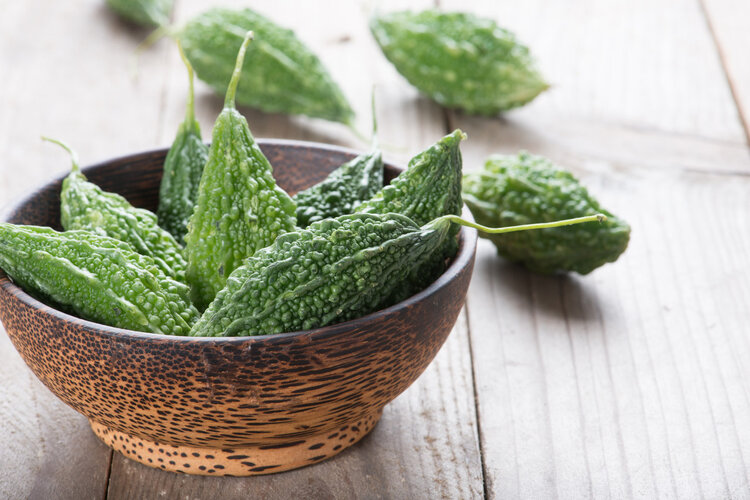
When inflammation occurs in the body, it is important to regulate your diet. Try to avoid fried, spicy and irritating foods, avoid alcohol and smoking, and avoid staying up late. Eat more foods that clear heat and detoxify, such as bitter melon, white radish, and cucumber. You can also drink honeysuckle tea or chrysanthemum tea, which are also effective in clearing heat and detoxifying.
IV. Anti-inflammatory drugs ≠ antibiotics; misuse can be very harmful!
Many patients with inflammation will choose anti-inflammatory drugs as their first treatment. For most people, anti-inflammatory drugs are antibiotics, but the harm of antibiotic abuse is very great.
Antibiotics are essentially antibacterial drugs, effective only against inflammation caused by certain bacterial infections. They are ineffective against inflammation caused by other reasons. However, antibiotic abuse is rampant in China. Regardless of the cause, many people take antibiotics for symptoms like a cold, fever, or even dizziness and headaches. But these are not the right treatment, not only failing to provide the desired effect but also incurring side effects.
For example, the most direct harm of antibiotic overuse, which leads to antibiotic resistance in bacteria, is that antibiotics become less effective or even ineffective for the same symptoms, and one day there may be a situation where people get sick but have no medicine available.
When you feel inflammation in your body, you can use non-drug methods such as dietary adjustments to make some adjustments. However, if the condition is more serious, you need to go to a regular hospital for diagnosis and treatment in time to avoid delaying the condition.