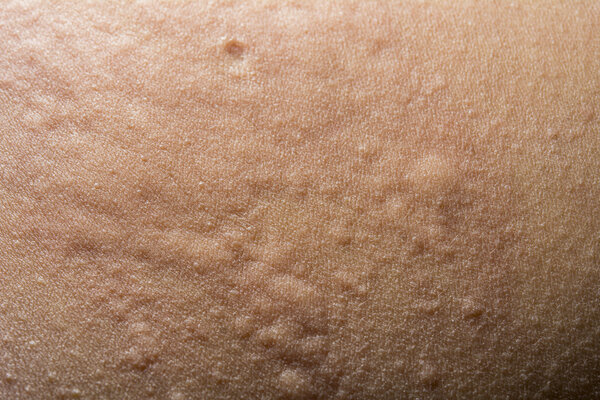
Allergic rhinitis is a common disease in otolaryngology and head and neck surgery. Based on the timing of attacks, allergic rhinitis can be divided into two main categories: seasonal and perennial. The former is caused by seasonal allergens, most commonly pollen; allergic rhinitis caused by pollen is also known as hay fever. The latter is caused by perennial allergens, often related to dust mites, fungi, etc., and is called perennial allergic rhinitis.
Human understanding of the pathogenesis of allergic rhinitis has been a long process. In 1565, the Italian physician Leonardo first described the symptoms of hay fever. After years of clinical observation, reports, and research by medical scientists from many countries, the medical community finally gained a clearer understanding of the basic pathophysiological process of allergic rhinitis in the 1970s.
From the perspective of basic immune responses, allergic rhinitis is an inflammatory response mediated by antibodies called IgE. When the body comes into contact with an allergen, it produces an antibody called IgE, which adsorbs onto the surface of mast cells and basophils in tissues, putting the body in a sensitized state. When the body comes into contact with the same allergen again, these allergens bind to IgE, causing mast cells and basophils to degranulate, releasing histamine, leukotrienes, and other bioactive mediators. These mediators act on the corresponding tissues, triggering an allergic reaction.
Histamine is the most important mediator in allergic rhinitis, causing vasodilation, increased vascular permeability, and enhanced exocrine activity. This is a crucial material basis for nasal mucosal edema, increased nasal breathing resistance, and increased secretions in patients with allergic rhinitis. Kinins can cause peripheral vasodilation, decreased blood pressure, increased vascular permeability, and tissue edema; they can also induce pain and smooth muscle contraction. Leukotrienes can increase nasal mucosal blood flow and may be an important mediator of neutrophil and eosinophil infiltration in tissues during acute allergic reactions. Prostaglandins, products of arachidonic acid metabolism via the cyclooxygenase pathway, have histamine-like effects.
In recent years, with the deepening research into the pathogenesis of allergic rhinitis, the regulatory role of cytokines in allergic inflammation has gradually been recognized. CD4 T cells play a central role in allergic inflammatory responses, regulating acute and chronic allergic reactions by releasing a series of cytokines. This leads to immediate and delayed reactions, resulting in acute symptoms such as nasal itching, runny nose, continuous sneezing, and nasal congestion, as well as chronic symptoms primarily characterized by persistent nasal congestion. Based on the different cytokines they secrete, helper T cells can be divided into two subtypes: type 1 helper T cells (TH1 cells) and type 2 helper T cells (TH2 cells). The former mainly mediates cellular immune responses, while the latter primarily induces humoral immune responses. Based on this mechanism, regulating the immune balance between TH1 and TH2 cells is crucial for the treatment of allergic rhinitis.
Treatment for allergic rhinitis primarily involves medication. Antihistamines are effective in controlling nasal itching, sneezing, and increased nasal discharge, but are less effective at controlling nasal congestion, whether systemic or topical. Topical corticosteroid inhalers, such as Beclomethasone, can effectively relieve various symptoms of allergic rhinitis with almost no systemic side effects, making them relatively safe and reliable, and currently the first-line recommended medication in clinical practice.
Furthermore, the correlation between upper and lower respiratory tract diseases has attracted widespread attention from scholars both domestically and internationally. As early as the 2nd century AD, the renowned Roman physician Galen proposed that lung diseases might be caused by nasal diseases through a direct anatomical pathway. Professor Grossman of the Arizona College of Medicine, after reviewing the epidemiological characteristics of allergic rhinitis and asthma, found that 60%–78% of asthma patients also had allergic rhinitis, 5–7 times higher than the general population. Conversely, 20%–38% of allergic rhinitis patients also had asthma. Allergic rhinitis and allergic asthma share very similar immunological pathogenesis. Allergic rhinitis is one of the high-risk factors for adult asthma. Clarifying the link between the two in terms of pathogenesis has the main clinical significance of allergic rhinitis treatment potentially alleviating asthma symptoms and reducing the incidence of asthma.