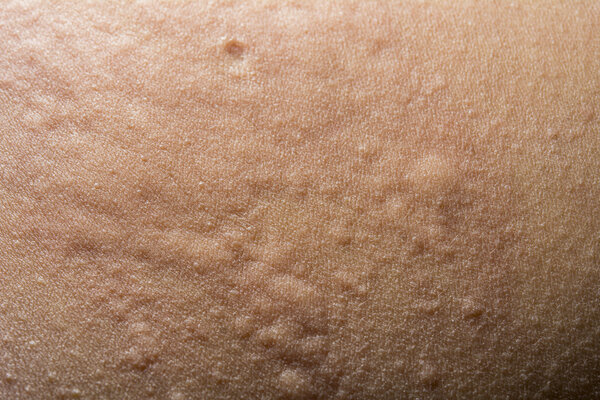
Allergic purpura is a common allergic disease characterized primarily by systemic vasculitis, most often seen in school-aged children aged 7-14. The onset shows a clear seasonal pattern, with more cases occurring in winter and spring, and less frequently in summer. The prognosis is generally good, but it is prone to recurrence, and about half of the affected children develop purpuric nephritis 2-4 weeks after onset, making it a truly challenging disease.
Allergic purpura is caused by a variety of factors, such as infections, foods (milk, eggs, fish, shrimp, etc.), medications (antibiotics, sulfonamides, antipyretics, analgesics, etc.), as well as pollen and insect bites. Generally, 85% of allergic purpura cases are related to infection. If you have upper respiratory tract infections, tonsillitis, dental caries, or intestinal parasitic diseases, you should treat them promptly and actively identify the allergens, which can be done through bioassays or blood tests. Avoid contact with these allergens in daily life. If it is related to a certain food, avoid it; if it is related to a certain medication, discontinue it; if it is related to a certain environment, avoid it. While actively treating the disease with medication, meticulous nursing care is very important for the prognosis.
Parents should note the following: During the acute phase of heavy bleeding, the child should have absolute bed rest. Parents should patiently explain the situation to the child and alleviate their fear. Avoid falls or impacts to prevent external bleeding, especially protecting the head to prevent intracranial hemorrhage. The child's diet should consist of soft, easily digestible, low-residue, semi-liquid, protein-free foods. Avoid animal products and spicy or hot foods such as eggs, milk, seafood, and seasonings like raw onions, dried ginger, and pepper. Even after the condition improves, activity should be limited to prevent overexertion that could worsen or cause a recurrence of purpura. Encourage the child to eat plenty of fresh vegetables and fruits, engage in appropriate exercise to increase their immunity, and avoid colds, chills, and medications that are toxic to the kidneys. Do not attempt self-treatment at home; prompt hospitalization is necessary to prevent nephritis. Regular urine tests are recommended to monitor changes in the condition.
Experts remind patients with allergic purpura to pay attention to the following points in their daily lives:
1. Get plenty of rest, avoid fatigue, and avoid emotional fluctuations and mental stress. Prevent insect bites. Remove potential allergens.
2. Keep warm and prevent colds. Control and prevent infection; use sensitive antibiotics when there is a clear infection or focus of infection, but avoid blindly using antibiotics for prevention.
3. Pay attention to your diet. Since allergic purpura is mostly caused by allergens, you should avoid eating spicy foods such as raw onions, raw garlic, chili peppers, and alcohol; meat and seafood should be avoided, as well as contact with allergens such as pollen.
4. To prevent recurrence, patients should continue with a course of consolidation treatment after recovery.
5. You should stay away from allergens.