With the arrival of cold winter winds, many people experience migraines. This is especially true for office workers who use their brains extensively, often experiencing chronic fatigue and stiff neck and shoulders, making headaches feel particularly unpleasant. Traditional Chinese medicine practitioners suggest pressing three acupoints with the pads of your fingers to help promote blood circulation and prevent headaches.
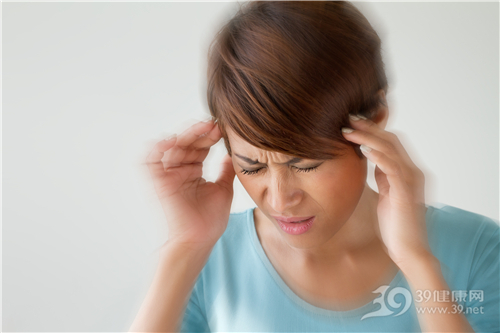
(Try acupressure points to relieve migraines)
Headaches have complex causes and their nature needs to be identified.
Traditional Chinese medicine (TCM) categorizes headaches as "head wind," primarily attributed to factors such as excessive wind, blood stasis (causing throbbing pain in the head's blood vessels), excessive phlegm and dampness (causing nausea and vomiting), and deficiency (dizziness, signs of ischemia in the head). Therefore, the first step in treating headaches should be to determine their nature, using examinations such as a brain CT scan to differentiate between primary and secondary headaches. Headaches without a clear cause are considered primary headaches, including primary migraines, primary cluster headaches, and primary tension headaches.
In winter, migraines are the most common headache patient seen in outpatient clinics, often presenting as unilateral headache. Experts say that excessive stress, emotional tension, spicy food, lack of sleep, and temperature changes can all trigger migraines. In winter, the large temperature difference between day and night, or the rapid temperature change when moving between indoors and outdoors, can cause a feeling of heaviness in the head, which can even lead to migraines in more severe cases.
This type of headache caused by temperature difference is called "external headache". The reason is that the blood circulation in the head and face is not good, which makes the blood vessels in the brain unable to expand and contract smoothly. When the temperature difference is drastic, they will suddenly contract and tighten, causing headache instantly.
Self-acupressure can help relieve migraines.
Traditional Chinese medicine (TCM) treatment for migraines includes not only herbal medicine but also a series of external therapies, such as acupuncture, bloodletting, and abdominal acupuncture. Additionally, during a migraine attack, patients can self-massage or circularly press the following three acupoints:
Baihui acupoint is located at the very center of the top of the head, at the intersection of the line connecting the two ears and the midline of the top of the head. Baihui acupoint is the gathering point of Qi in the whole body. Pressing this acupoint when you have a headache can promote the smooth flow of Qi and blood throughout the body and effectively relieve headaches.
Fengchi acupoint is located in the depression behind the ear, below the occipital bone and near the hairline. This acupoint has the functions of clearing heat and reducing fire, promoting qi and blood circulation, and unblocking meridians. Its analgesic effect is rapid.
Hegu (LI4), also known as Hukou (Tiger's Mouth), is located on the back of the hand, at the midpoint between the 1st and 2nd metacarpal bones. Hegu has the effects of calming the nerves and relieving pain, promoting blood circulation, clearing heat and relieving exterior symptoms.
In addition, migraine sufferers should pay attention to the following in daily life: wear a scarf and hat to keep warm when going out in cold weather; when going from outdoors to a heated indoor space, remove the scarf and hat first to allow the body to adapt to the temperature difference and reduce the chance of headaches. Some measures can also be taken to improve blood circulation in the head and face, such as applying a hot towel to the neck for 10 to 15 minutes.
Finally, it is especially important to note that many headache sufferers' first reaction when a headache strikes is to take painkillers. However, long-term reliance on painkillers carries the risk of side effects such as stomach ulcers, nephritis, and addiction. Furthermore, the effectiveness of these medications may decrease with increased dosage, failing to address the underlying cause. Therefore, treating migraines requires identifying the root cause and addressing both the symptoms and the underlying condition.