Mr. Zhang is 62 years old this year. He is usually in good health, but because his wife has had high blood sugar for several years, he has always paid close attention to measuring his blood sugar.
Recently, Mr. Zhang noticed that he had been experiencing elevated blood sugar levels after meals. After more than a week of this, he went to the hospital with his son to have his blood sugar checked.
Sure enough, Mr. Zhang was diagnosed with diabetes, and the doctor recommended that he take acarbose to control his blood sugar. Mr. Zhang noticed that it was the same medication his wife was taking and wondered: could everyone with abnormal blood sugar take acarbose?

Which patients are suitable to take acarbose?
For diabetic patients, acarbose is certainly a familiar name. It is a common hypoglycemic drug whose main function is to lower postprandial blood sugar, making it especially suitable for patients with significant postprandial blood sugar elevation .
Acarbose works by inhibiting the absorption of carbohydrates in the upper small intestine, slowing down the rate at which food is broken down into glucose, thus achieving a "humanized meal portioning" effect and lowering postprandial blood sugar. Its hypoglycemic mechanism is different from other hypoglycemic drugs, and its effect is very significant.
Therefore, acarbose is mainly suitable for patients who need to control their postprandial blood glucose levels. It is commonly used for type 2 diabetes patients who need to control their diet. For type 1 diabetes patients with unstable blood glucose, acarbose is often used in combination with insulin to achieve better control of blood glucose throughout the day.
In short, acarbose is a commonly used drug for diabetic patients, but some people have heard that taking acarbose frequently can damage the liver and kidneys. Is this true?
Will long-term consumption of acarbose damage the liver and kidneys?
In fact, acarbose has virtually no toxic side effects on the liver and kidneys.
Since acarbose is mainly broken down and excreted in the intestines , its effects are reduced by half after eight hours in the body. Only a very small portion is absorbed into the bloodstream, and it is not metabolized in the liver . Therefore, it does not pose a threat to the health of the liver and kidneys.
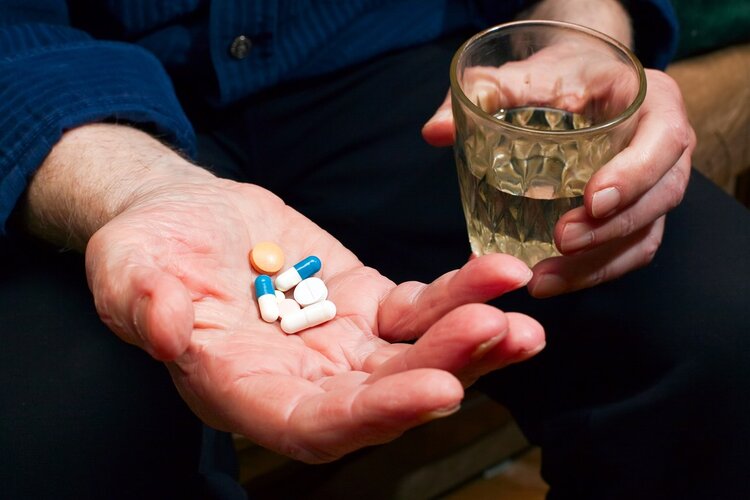
Clinically, cases of significant liver damage caused by acarbose are rare, and the liver usually recovers after discontinuation of the drug. To date, there have been no cases of kidney failure caused by acarbose .
Therefore, there is no need to worry about long-term use of acarbose causing damage to the liver or kidneys. However, long-term use of acarbose does have certain side effects.
Gastrointestinal adverse reactions: Because acarbose slows down the absorption of carbohydrates in the small intestine, the undigested portion will be further broken down by intestinal bacteria, causing problems such as bloating, abdominal pain, and even diarrhea . Clinical data shows that the probability of this adverse reaction is about 30% .
Systemic adverse reactions: Multiple clinical trials have shown that acarbose has a relatively high safety profile. Only a small percentage of patients experienced adverse reactions such as anemia or mild elevation of transaminase levels after taking acarbose, but no serious abnormalities in liver function were observed.
Therefore, acarbose is considered a relatively safe hypoglycemic drug, and its potential side effects will not have a serious impact on the patient's health.
Nevertheless, there are a few things to keep in mind when taking acarbose.

Five things to know when taking medication
First, it's important to note which medications should not be taken with acarbose : Taking acarbose with antacids or cholestyramine can affect its efficacy. Furthermore, taking acarbose and then neomycin can lead to even lower postprandial blood sugar and more severe gastrointestinal reactions. Therefore, it's necessary to avoid taking these medications together.
Secondly, it is also important to pay attention to the timing of taking acarbose. In order to make the drug more effective, chew the tablet at the same time as the first bite of food after a meal . This allows the drug and carbohydrates to coexist in the small intestine.
Because acarbose can cause gastrointestinal reactions, it should be taken at a low dose initially, starting from 25 mg/time and gradually increasing to 50 mg/time . If there are no obvious side effects and the effect is not good, the dose can be increased to 100 mg/time.
To reduce side effects, in addition to starting with a small dose, if a hypoglycemic reaction occurs, glucose or honey can be used to correct it , but foods that cannot be converted into monosaccharides in time, such as candy, should not be chosen.
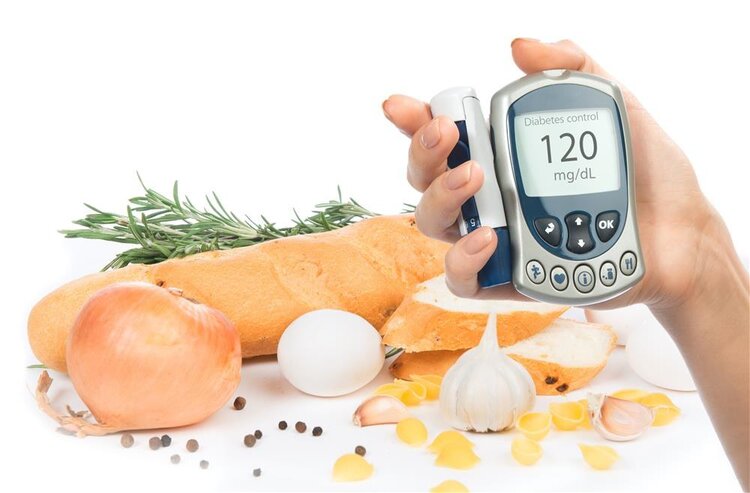
In addition, patients under the age of 18, patients allergic to acarbose, patients with obvious digestive disorders, pregnant women, and breastfeeding women should not take acarbose.
Acarbose, a high-performing hypoglycemic drug, plays an important role in the prevention and treatment of diabetes. Will it be a dark horse in the hypoglycemic drug market? The answer may already be revealed.