Winter's cold and freezing weather makes the spleen and stomach prone to imbalances. Low temperatures and strong winds cause great suffering for those with weak spleens and stomachs. There are many important considerations for regulating the spleen and stomach.
Keep warm and maintain a regular daily routine.
1. Keep warm: Pay special attention to areas that are prone to getting cold, such as the shoulders, neck, and feet. Exercise in moderation; avoid excessive exercise that causes excessive sweating.
2. Regular Daily Routine: In winter, follow the principle of going to bed early and getting up late, and appropriately extend your sleep time. Remember, avoid staying up late and excessive thinking, as these can damage your spleen.
Avoid raw and cold foods, and avoid overeating. Try to avoid raw and cold foods and seafood, as these can damage the Yang energy of the spleen and stomach. Avoid overeating and binge eating; do not consume excessively warming or drying foods, such as fried, grilled, or roasted foods, or ginseng, simply because you are deficient in Qi and cold, as long-term consumption can cause "internal heat," as the saying goes, "a weak body cannot tolerate strong tonics." It is recommended to add some warming and tonifying herbs to your spleen-strengthening regimen. Herbs and foods that tonify the spleen include: Codonopsis pilosula, Pseudostellaria heterophylla, Poria cocos, Atractylodes macrocephala, Dioscorea opposita, Dolichos lablab, Lotus seeds, Jujubes, Coix seed (not suitable for long-term consumption, as it is cold in nature and needs to be roasted), and chestnuts (not suitable for people with Qi stagnation, abdominal distension, acid reflux, or heartburn).
Five types of food to regulate the spleen and stomach.
1. Lily bulb : A nourishing food with properties that nourish yin and moisten the lungs, calm the mind and soothe the nerves, relieve fever and promote urination, stop coughs and relieve asthma, and regulate the stomach and strengthen the spleen. You can drink lily bulb porridge or eat celery stir-fried with lily bulb.
2. Lotus seeds: They nourish the kidneys, strengthen the spleen, nourish the heart, calm the mind, and have anti-aging properties. Lotus seeds can be steamed with white poria, Chinese yam, glutinous rice, aged rice, and white sugar to make a cake, or you can drink lotus seed and lily porridge directly.
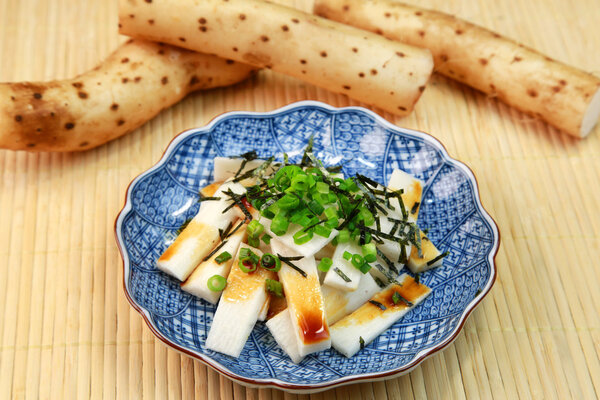
3. Yam: Calms the mind and soothes the nerves, replenishes qi and strengthens the five internal organs, and strengthens muscles and bones. Yam contains a large amount of mucoprotein, which can prevent fat deposition in the cardiovascular system, maintain blood vessel elasticity, and prevent arteriosclerosis. Yam can be eaten as porridge, stir-fried yam, or steamed yam.
4. Lamb: It strengthens the spleen and warms the stomach, but try to avoid frying, grilling, or grilling. Lamb soup or hot pot are good choices.
5. Glutinous rice: It has the effect of strengthening the spleen and replenishing qi. Everyone knows that glutinous rice is not easy to digest, especially for people with weak spleens and stomachs, who are prone to acid reflux and heartburn after eating it. So how can you eat it to both strengthen the spleen and replenish qi without causing indigestion? We recommend eating fermented glutinous rice (醪糟) or cooking glutinous rice porridge. For glutinous rice porridge, you can add regular rice or japonica rice, just a small amount of glutinous rice.
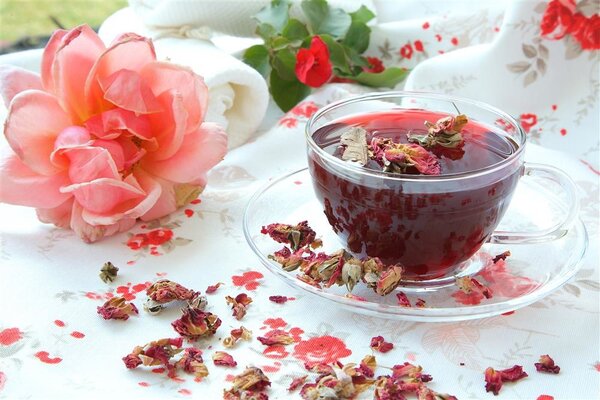
There are specific guidelines for drinking tea in winter to nourish the spleen and stomach. Traditional Chinese medicine believes that teas are categorized as either warming or cooling. Green tea, which is widely loved, is considered cooling and suitable for summer to help relieve heat. Black tea and Pu-erh tea are warming and more suitable for winter. Oolong tea and Tieguanyin tea are considered neutral.
I'd like to especially mention black tea here. It can aid digestion, stimulate appetite, promote urination, reduce edema, and strengthen heart function, making it suitable for winter consumption. It's important to note that while tea is beneficial, one shouldn't overindulge in strong flavors; the tea concentration should not be too high.