Mr. Wu usually enjoys taking walks, even in cold weather. But this winter feels particularly cold, with several consecutive days of low temperatures making it difficult for him to go for a walk.
One day, while taking a walk, he experienced chest tightness and shortness of breath, which frightened him so much that he rushed to the hospital for a checkup. The doctor said it was caused by heart discomfort and advised Mr. Wu not to go out for walks in cold weather to avoid any accidents.
This puzzled Mr. Wu, and he asked the doctor , "Is it really good for the health of the elderly to take regular walks?"
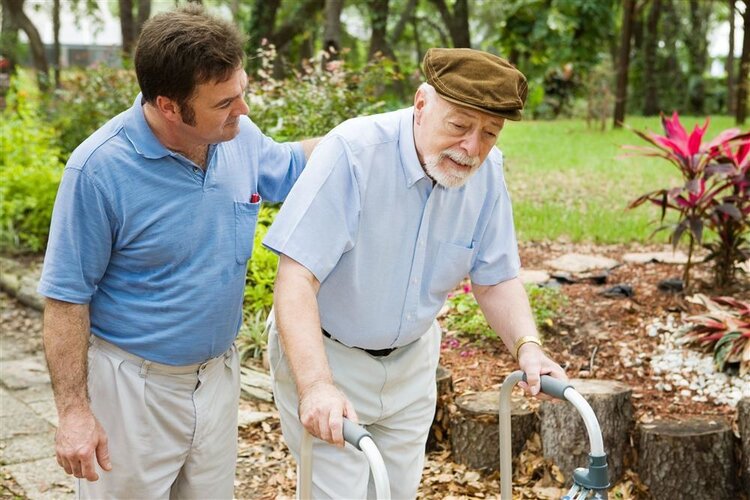
1. What are the differences in the heart and blood vessels between people who walk frequently and those who walk very little after 6 years?
There is no doubt that exercise is good for your health, and walking is the most cost-effective of all sports. Multiple studies have found that regular walking can bring great benefits to cardiovascular health.
The American Heart Association says that walking is one of the safest and most effective ways to improve neurological health, and multiple studies have shown that increasing the number of steps you walk each day is important for preventing chronic diseases and premature death.
A study published in the journal *Circulation* found that among participants aged 60 and older , the more steps they walked daily, the more significantly their risk of cardiovascular disease decreased . This was particularly evident in older adults who didn't walk much to begin with; increasing the number of steps was directly correlated with a sharp decrease in risk. However, when the number of steps exceeded 9,000, the risk did not decrease significantly .

Moreover, walking more may help prevent cardiovascular disease risk factors, including high blood pressure, high cholesterol, and diabetes, thus playing an indirect role in preventing cardiovascular disease.
Therefore, it is evident that for people over 60 years old , walking regularly and taking around 6,000 steps a day is more beneficial to their health.
II. Is regular walking good? You might reap five benefits.
As the saying goes, "Walking is the foundation of all exercises." Walking is the best way to exercise and prolong life. Moreover, walking can be done anytime and anywhere, and is suitable for people of all ages. Persisting in walking can bring many health benefits.
1. Enhance cardiopulmonary function
Although walking is a low-intensity exercise, it can still provide a workout for your cardiovascular system. During walking, the heart, lungs, and blood vessels are all engaged, which helps improve blood circulation and increase lung capacity.

2. Reduce the risk of developing diabetes
Walking has a positive effect on regulating blood sugar levels, which can reduce the risk of diabetes to a certain extent. It can also promote muscle absorption of blood sugar and prevent excessively high blood sugar.
3. Relieve arthritis pain
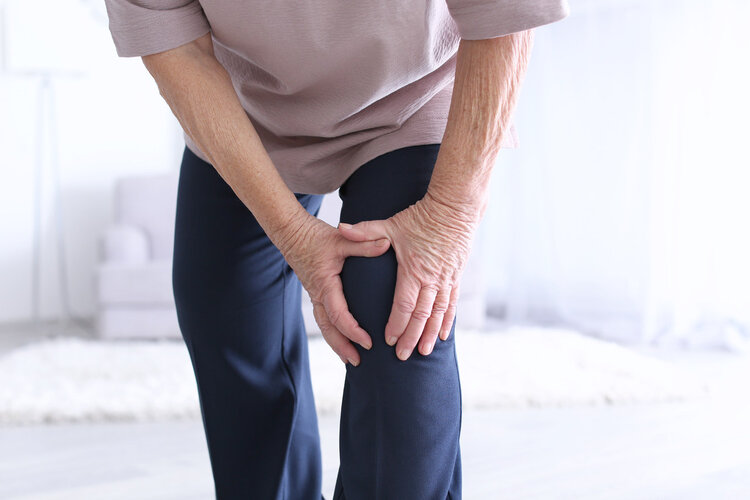
Walking can promote bone and muscle strength, reduce joint pressure, increase joint fluid circulation, and help prevent osteoporosis and relieve joint pain.
4. Improves digestion
Exercise can promote gastrointestinal motility , which can provide significant relief for people who suffer from constipation or indigestion.
5. Reduce cancer risk
Walking is a very active lifestyle choice that can improve endocrine function, regulate hormone levels, and reduce the risk of cancer. A French study involving 4 million women showed that just one hour of brisk walking daily is associated with a 12% reduction in the risk of breast cancer .
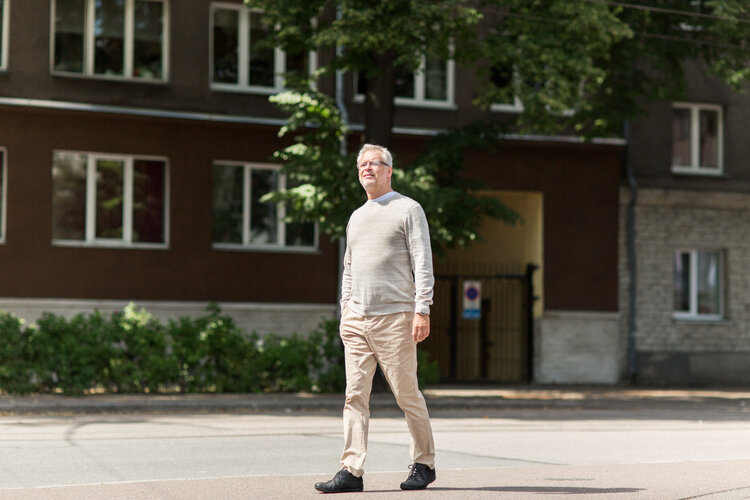
Third, neglecting two points while taking a walk can actually harm your health.
Many elderly people struggle with whether or not to go for walks in winter. On the one hand, they worry that the cold weather will affect their health, and on the other hand, they worry that a lack of exercise will negatively impact their health. So, is it okay to walk in winter?
Walking appropriately in winter can help speed up the body's metabolism , which is beneficial for improving immunity. Outdoor walks also allow the body to bask in the sunlight, which helps the body synthesize vitamin D to promote calcium absorption and prevent osteoporosis. Exercise can also promote blood circulation, improve cardiovascular function , and reduce the risk of cardiovascular disease.
However, older adults should exercise in moderation and within their physical capabilities, avoiding overexertion and engaging in activities at an intensity their bodies can tolerate . Additionally, older adults should avoid morning walks during winter , as the relatively low morning temperatures can easily lead to increased blood pressure, insufficient blood supply to the brain, and trigger cardiovascular and cerebrovascular accidents.
In addition, elderly people should be careful when taking a walk, as walking in this way can actually harm their health!
1. Walk backwards
Walking backwards can indeed stimulate some muscles that are not frequently used, promote blood circulation, and improve balance, but it is not suitable for all elderly people. Walking backwards can easily lead to loss of balance, and for some elderly people with mobility issues , it may result in falls, fractures, or other injuries.

2. Do not take a walk immediately after meals.
After a meal, blood is concentrated in the stomach for digestion. Walking can divert blood flow to the stomach, potentially leading to indigestion. It is recommended to rest for 20-30 minutes after a meal before taking a walk, which is healthier.
Walking has many health benefits and is suitable for most people, so if you're reading this, you should definitely get moving! For your own health.