Blood circulates throughout the body like a river, but it also contains many substances. Blood lipids refer to the total amount of neutral fats and lipids in human blood plasma, including triglycerides, cholesterol, phospholipids, etc. Abnormal blood lipids are one of the important factors in cardiovascular disease.
Why are more and more people having high cholesterol?
High blood lipids are generally caused by abnormal fat metabolism, resulting in blood lipid levels exceeding the normal range. This is usually caused by excessively high levels of cholesterol or triglycerides or excessively low levels of high-density lipoprotein in the blood .
In fact, to a certain extent, blood lipids are beneficial to the human body. However, if there are too many blood lipids, they will accumulate in the arteries and eventually form atherosclerotic plaques, causing the blood vessels to become narrower and narrower, leading to cardiovascular diseases.
High blood lipids are divided into two types: primary hyperlipidemia and secondary hyperlipidemia. Primary hyperlipidemia is related to genetic factors . In these patients, their own fat metabolism is hindered. Mutations in genes related to fat metabolism lead to reduced activity of lipoprotein degrading enzymes , affecting the absorption of fat from food, thus causing various types of primary hyperlipidemia.
Factors contributing to secondary hyperlipidemia include a diet high in fat, obesity, dyslipidemia caused by diabetic nephropathy, and long-term alcohol abuse .
As living standards improve, people are consuming more sugary, oily, and salty foods in their daily diets, and there are also unhealthy eating habits such as overeating, which naturally increases the risk of developing high blood lipids.
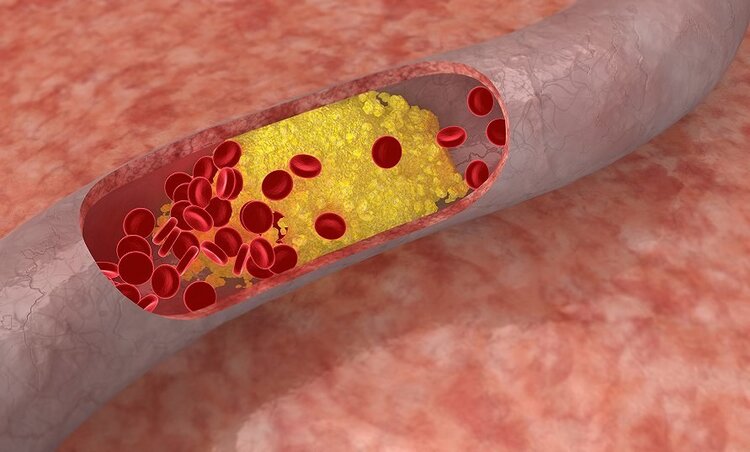
People with high blood lipids will experience these 5 symptoms!
High blood lipids can cause many health problems, such as blood clots, blocked blood vessels, and coronary heart disease. In severe cases, it can lead to life-threatening risks such as acute myocardial infarction and stroke. High blood lipids can manifest in five ways:
1. Periorbital xanthoma
This symptom commonly appears as flat papules around the eyelids on the face. They are orange-yellow, rice-grain-sized, oval-shaped, and have clear borders . Some of them develop rapidly and may appear on the face, neck, etc., and mainly occur in familial hypercholesterolemia.
2. Palm prints
In the manifestations of hyperlipoproteinemia, about 50% of patients will develop xanthomas on the palms or finger creases, which are flat, slightly raised, orange-yellow linear bumps .
3. Radiata
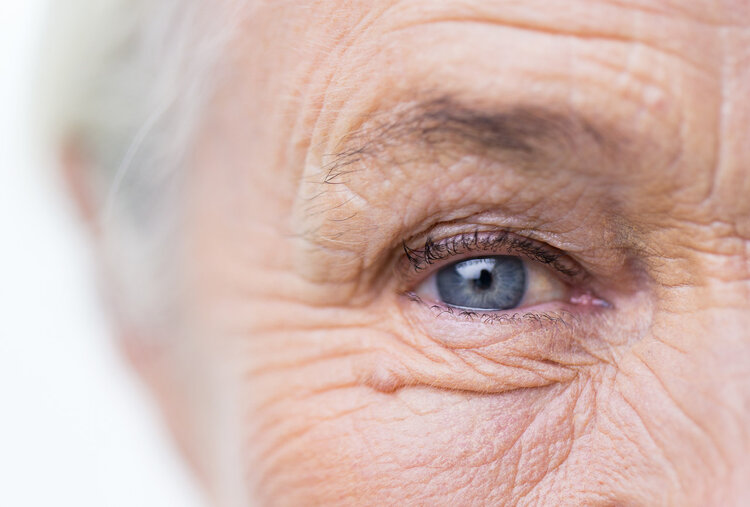
Arcus senilis, also known as corneal arcus, is more common in elderly people with arteriosclerosis and hypercholesterolemia. It is characterized by a grayish-white ring-like structure around the edge of the cornea . If this condition appears in people under 40 years of age, it should be taken seriously.
4. Wrinkles appear on the ears
According to American research, about 74% of people with high blood lipids have creases on their earlobes and/or around their ears . Wrinkles on the ears can reflect high blood lipids and insufficient blood supply to the heart and brain.
5. Frequent leg cramps
One of the symptoms of high blood lipids is frequent leg cramps, numbness and weakness in the calves , etc. Because of high blood lipids, the blood vessels in the limbs become narrower and more prone to blockage, resulting in insufficient blood supply to the legs. You should also be alert if you experience leg cramps in the middle of the night.
Three types of food that are the "enemies" of high blood lipids, you might want to eat more of them.
Dietary habits and dyslipidemia are closely related, and long-term dietary adjustments are a relatively convenient way to lower blood lipids. This involves limiting the intake of fat and cholesterol to maintain stable blood lipid levels. These types of food are the "enemies" of high blood lipids, so you might want to eat more of them.
Cereal foods:
Staple foods should primarily consist of grains, with a mix of refined and whole grains, including corn, oats, oat flour, and millet . Replacing refined rice and flour with whole grains can help lower blood lipids.
Fish:
Fish contains relatively low levels of saturated fat, while its unsaturated fatty acids can lower triglyceride levels in the blood. Deep-sea fish, such as salmon , are particularly low in fatty acids and high in protein, which can help reduce blood viscosity.
Fresh vegetables and fruits:
Increase the proportion of dark or green vegetables , and choose fruits that are low in sugar and calories. The water-soluble fiber in fruits and vegetables can help lower cholesterol.
In addition to lowering blood lipids through diet, other methods can be used, such as avoiding trans fats . Trans fats are a type of fatty acid that is harmful to the human body. Excessive intake can lead to an increase in low-density lipoprotein and cholesterol. Examples of foods that can help lower blood lipids include cakes, cookies, bread, and French fries .
You can also control your blood pressure, because people who have both high blood pressure and high cholesterol have a higher incidence of cardiovascular and cerebrovascular diseases. So controlling your blood pressure can alleviate abnormal cholesterol levels to some extent. Quitting smoking and drinking can also reduce the risk of cardiovascular disease.

In fact, the occurrence of cardiovascular and cerebrovascular diseases is the result of years of accumulated physical activity. We should pay more attention to detecting abnormal blood lipid levels in our daily lives, change unhealthy lifestyle habits, and control and alleviate high blood lipid symptoms through correct and effective methods in order to reduce the chances of developing cardiovascular diseases.