
A balanced diet emphasizes a mix of meat and vegetables, with more vegetables than meat. So, what's the best food to eat in the dry autumn? Experts recommend eating more sweet potatoes, taro, and lotus root, commonly known as the "Three Treasures of Vegetarian Food."
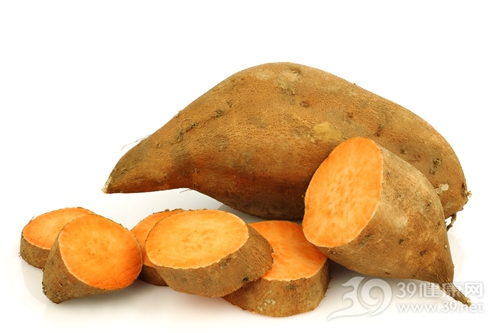
Sweet potato, one of the "Three Treasures of Vegetarian Food"
Also known as sweet potato, yam, sweet potato, white potato, etc. According to the Compendium of Materia Medica, sweet potato has the effects of "replenishing deficiency and fatigue, boosting energy, strengthening the spleen and stomach, and strengthening kidney yin", which can make people "live long and have fewer illnesses". It can also replenish the middle, warm the stomach, and soothe the five internal organs, so it is often used to replenish deficiency.
Regular consumption of sweet potatoes can also maintain the elasticity of blood vessels, prevent arteriosclerosis, and provide some protection for the cardiovascular system.
Note: Sweet potatoes contain an oxidase that easily produces large amounts of carbon dioxide gas in the human gastrointestinal tract. Eating too many sweet potatoes can cause bloating, belching, and flatulence. Furthermore, sweet potatoes are high in sugar, and eating too many can easily cause heartburn.
Taro, one of the "Three Treasures of Vegetarian Food"
Also known as taro or sweet taro root. Traditional Chinese medicine believes that taro is neutral in nature, sweet and pungent in taste, and enters the intestines and stomach meridians. It has many effects such as benefiting the stomach and promoting the production of body fluids, widening the intestines and relieving constipation, resolving phlegm and dissipating nodules, and replenishing the middle and benefiting qi. It is very suitable for replenishing deficiency.
Taro can nourish the liver and kidneys, replenish essence and marrow, and strengthen the stomach and regulate the middle jiao (digestive system). It is especially suitable for the elderly who have weak spleen and stomach, suffer from intestinal diseases, or are weak due to prolonged illness. It is an excellent food for the elderly to nourish themselves in autumn.
Notice:
1. Raw taro is slightly toxic and must be thoroughly cooked before eating; the juice of raw taro can easily cause local skin allergies, which can be relieved by rubbing with ginger juice.
2. Taro contains a lot of starch, so it is not advisable to eat too much. Eating too much taro can cause bloating.
Lotus root, one of the "Three Treasures of Vegetarian Cuisine"
Traditional Chinese medicine believes that raw lotus root is sweet and cold in nature, entering the heart, spleen, and stomach meridians. It has the effects of clearing heat and promoting body fluid production, tonifying the spleen and stomach, and stopping diarrhea. Cooked lotus root is warm in nature and has the effects of benefiting the stomach and spleen, nourishing blood and replenishing qi. Therefore, it can be seen that cooked lotus root is needed to replenish deficiencies, and it has a good tonic effect on those with weak spleen and stomach and deficiency of qi and blood.
Notice:
1. Raw lotus root is cooling in nature and is difficult to digest when eaten raw or in salads. People with weak spleen and stomach or prone to diarrhea should not eat raw lotus root, as it can harm their spleen and stomach. Therefore, it is better to eat cooked lotus root, preferably hot.
2. If the lotus root turns black or has an unusual odor, it should not be eaten.
3. Avoid using iron utensils when cooking lotus root, as this may cause the lotus root to turn black during the cooking process.