Kate is a recent college graduate who loves snacking, so she can't eat much at mealtimes . She can only manage a couple of bites of staple food before her stomach feels bloated. But she doesn't care. If she really feels uncomfortable, she just buys some digestive medicine.
Just last week, she suddenly experienced severe stomach pain and went to the hospital for a checkup. She was diagnosed with chronic gastritis , which was caused by her usual poor eating habits.
Stomach problems are common, but that doesn't mean they're harmless. Often, neglecting them leads to stomach cancer, causing immense regret. Therefore, it's important to take good care of your stomach and protect it.

To avoid stomach problems developing into cancer, give up these bad habits immediately.
1. Irregular eating habits
I eat whatever I feel like, whether I eat it or not. If I'm in a rush in the morning, I skip it. For lunch, I just order takeout. But for dinner, I indulge in big meals , especially hot pot, barbecue, and fried food—these are my absolute favorites...
These dietary habits can damage the gastric mucosa, creating conditions conducive to the development of stomach diseases. Stomach diseases caused by this are most likely to lead to excessive stomach acid, causing burning and heartburn, and over time can easily lead to stomach ulcers and chronic gastritis.
2. Unhygienic food
Helicobacter pylori infection is one of the main factors leading to stomach diseases and even stomach cancer, and China's communal dining culture is one of the main routes of infection.
In addition, feeding children mouth-to-mouth, eating unclean food, drinking unclean water, and consuming vegetables with bacteria and pesticides can also increase the chances of Helicobacter pylori infection. Once infected, it can severely damage the gastric mucosa, causing stomach diseases such as gastric ulcers and duodenal ulcers.
3. Misuse of medication
Some people get stomach problems because they take medicine indiscriminately. When they feel unwell or have a stomachache, they buy some stomach medicine and take it casually. This can easily damage the gastric mucosa and cause stomach problems such as gastritis and gastric ulcers.
4. Eating too much high-fat food
Consuming a large amount of high-fat food at once can easily lead to gastric digestive dysfunction and indigestion, resulting in symptoms such as bloating, acid reflux, and constipation . Depending on the specific symptoms, these can be categorized as food stagnation, excessive stomach acid, or bloating.
5. Psychological factors
If you are under negative emotions such as depression, tension, anxiety, and irritability for a long time , it is easy to affect your stomach, making you lose your appetite and not want to eat. This directly affects your gastrointestinal digestive function, causing symptoms such as stomach pain, acid reflux, bloating, decreased appetite, and dry mouth.
From the perspective of traditional Chinese medicine, this type of stomach disease can be divided into stomach blood stasis and stomach heat stagnation based on the symptoms.
6. Lack of exercise
If a person does not exercise for a long time, it will have a certain impact on the blood supply to the stomach. Lack of exercise slows down gastrointestinal motility and reduces the blood supply , which can easily lead to stomach diseases.
Therefore, to stay away from stomach problems, we should try to avoid these high-risk factors, develop good living and eating habits, such as eating three meals a day regularly, eating a balanced diet, exercising more, and maintaining a happy mood. This is the only way to protect our stomachs.
If you don't want to get stomach problems, try eating more of these 5 types of food.
The stomach and diet are closely related, so to nourish the stomach, we can focus on our diet and eat more of the following foods that are good for the stomach:
1. Soft foods such as porridge and noodles
These types of foods are easy to digest because they are soft and easily digestible , putting little burden on the stomach and thus helping to nourish and protect it. However, you shouldn't eat these types of foods all the time, because over time, your stomach's digestive ability will weaken, making you more susceptible to stomach problems.

2. Root vegetables such as yam and pumpkin
These types of foods have high nutritional value, and the active substances they contain can play a certain protective role for the gastric mucosa , so you can eat more of them. However, you should pay attention to controlling the amount, because they are also high in starch, and eating too much can easily cause bloating.
3. Soda crackers
These types of foods contain alkaline sodium bicarbonate, which can neutralize stomach acid and relieve discomfort such as heartburn. So if you need to neutralize stomach acid, you can eat a little, but don't eat too much.
Because it contains a certain amount of fat, about 20% to 30%, and its sodium content is also higher than that of ordinary biscuits, patients with high blood pressure, kidney disease and other conditions should be more cautious when consuming it .
4. Ginger
It contains gingerol, which has the effects of relieving nausea, fighting ulcers, inhibiting bacteria and oxidation, reducing damage to the gastric mucosa, and inhibiting excessive gastric acid secretion . Therefore, you can add a little as a seasoning when cooking. If you like the taste of ginger, you can also eat some ginger shreds or ginger slices.
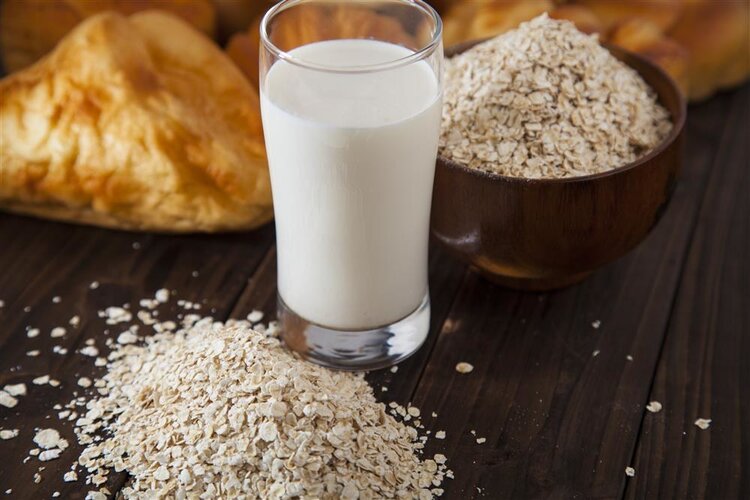
5. Milk
Certain components in milk can dilute gastric juices and temporarily form a protective film on the surface of the gastric mucosa . This protective film can effectively relieve stomach acid and discomfort. Therefore, people who drink alcohol can drink a glass of milk before drinking alcohol to help reduce the harm caused by alcohol.
Therefore, those who want to nourish their stomach can eat more of the foods mentioned above, and at the same time try to do the following four things:
Developing good eating habits means ensuring a balanced diet, adhering to the principles of light, nutritious , and easily digestible foods, eating on time , avoiding overeating, and not wolfing down food.
It is best to chew slowly and thoroughly, as the saliva secreted during chewing can protect the gastric mucosa. The temperature of the food should not be too high , otherwise it may burn the gastric and esophageal mucosa, nor should it be too low, otherwise it may irritate the gastric mucosa.
In addition, to achieve better stomach-nourishing effects, we also need to do the following:
Stay away from tobacco and alcohol , as these two substances can easily lead to ischemia and hypoxia of the gastric mucosa, causing gastric dysfunction and stomach problems; exercise more to promote gastrointestinal motility and ensure normal blood supply, thereby preventing stomach problems.
Also, avoid blindly using medication . If you experience stomach pain or other discomfort, seek medical attention promptly to find out the cause before taking any medication. Don't use medication haphazardly, as this may worsen the problem.

Many stomach problems among young people are self-inflicted, especially due to poor eating and lifestyle habits. Therefore, by paying more attention to these aspects, it is possible to stay away from stomach problems.