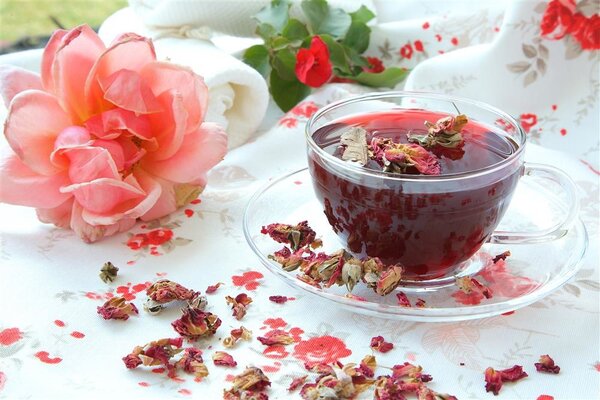
There's a folk saying that goes, "The Great Cold comes every year, but it's either in the third or fourth nine-day period." Even after the Great Cold, the weather remains cold, so the public should take precautions to keep warm and avoid catching a cold. Maintaining health during the Great Cold follows the principle of "hiding" in winter; people should keep their spirit within themselves, which is beneficial for a comfortable winter.
"After the Great Cold, another year has passed." The Great Cold is the last of the twenty-four solar terms in the Chinese lunar calendar. At this time, more than two months have passed since winter began, and the spleen and stomach's digestive and absorptive functions are much better than at the beginning of winter. It is a good time to take advantage of the last days of winter to nourish the body.
What foods are good for health during the Great Cold period?
1. Foods containing methionine
Low temperatures increase the excretion of creatine in urine and accelerate fat metabolism. Both creatine synthesis and fat metabolism require methyl groups, which can be provided by methionine. Methionine is one of the eight essential amino acids for humans, and foods rich in amino acids include sesame seeds, sunflower seeds, and leafy green vegetables. For the elderly, eating more pig's blood is beneficial. The amino acid ratio in pig's blood is very close to that of the human body, making it easily absorbed and suitable for elderly people with weakened digestive function.
2. Warm foods
Foods such as mutton, dog meat, longan, leeks, walnuts, and millet have warming and invigorating effects, and eating more of them in moderation can improve cold resistance. Conversely, it is best to eat less of cooling or cold foods such as duck, crab, bananas, cucumbers, pears, mung beans, watermelon, and rock sugar.
3. Iodine-containing foods
The human thyroid gland secretes a hormone called thyroxine, which has a thermogenic effect. Thyroxine is composed of iodine and tyrosine. Tyrosine can be synthesized in the body, but iodine must be obtained from external sources. Therefore, in winter, it is advisable to eat more foods rich in iodine, such as kelp, seaweed, and shellfish.
4. Calcium-rich foods
Medical research has shown that feeling cold is related to a lack of minerals in the diet, especially calcium, which can affect the contractility and excitability of the heart muscle, blood vessels, and muscles. Therefore, in winter, it's beneficial to eat more calcium-rich foods such as milk, soy products, and dried shrimp. In addition, root vegetables such as carrots, sweet potatoes, lotus root, scallions, and potatoes contain abundant minerals, and regular consumption can also enhance the body's ability to resist cold.
5. Iron-rich foods
Studies have shown that many women's sensitivity to cold in winter is related to iron deficiency. Therefore, women who are sensitive to cold can appropriately increase their intake of iron-rich foods, such as animal blood and liver. The iron in animal-based foods is heme iron, which has a high absorption rate after being ingested by the body, especially animal blood, where the absorption rate can be as high as 22% or more. Plant-based foods such as black fungus, kelp, and sesame seeds, although also high in iron, have a lower absorption rate, mostly around 10%.
6. Foods containing vitamins
Low temperatures accelerate the metabolism of vitamins in the body, so it's important to replenish them through diet. For example, vitamin A can enhance the body's cold resistance, while vitamin C can improve the body's ability to adapt to cold. Therefore, in winter, it's advisable to appropriately increase the intake of foods rich in vitamin A, such as animal liver, carrots, and pumpkin, as well as foods rich in vitamin C, such as fresh vegetables and fruits.
Four key points to master for health preservation during the Great Cold.
Diet: Reduce salt and increase bitterness
During the Great Cold period, the weather remains cold, but indoor spaces often have air conditioning and heating, which can easily cause a feeling of heat. Eating some cold dishes can help alleviate this heat. However, it's crucial to avoid excessive consumption of cold drinks, as this can lead to stomach and intestinal problems. Furthermore, some people believe that eating hot pot in winter can dispel the cold, but they are unaware that excessive intake of high-fat, high-calorie foods is more likely to cause gastrointestinal issues.
In terms of diet, it is advisable to reduce salt and increase bitter foods to nourish the heart and strengthen the kidneys. In addition, one should eat more yellow-green vegetables, such as carrots, rapeseed, and spinach. Since the Great Cold coincides with the Spring Festival, most families prepare abundant festive food. At this time, it is important to avoid overeating or hunger. One can eat more foods that strengthen the spleen and relieve indigestion, such as hawthorn and grapefruit, and also drink more millet porridge.
Mental state: cheerful mood
The saying goes, "To warm the body, first warm the mind; a warm mind leads to a warm body." This means that when the mind is vigorous, the Qi flows smoothly, and the blood circulates harmoniously, the entire body can be warm, thus resisting the invasion of the harsh winter cold. Therefore, during the Great Cold season, one should cultivate a peaceful mind and nourish one's spirit, especially the elderly, who should pay attention to maintaining a cheerful mood and a peaceful state of mind.
Daily routine: Go to bed early and get up late
To align with the winter's concept of "storage," people should pay attention to going to bed early and rising late, ensuring sufficient sleep to allow Yang energy to be stored. Going to bed early nourishes the body's Yang energy, while rising late nourishes Yin energy. An ancient saying goes, "During the Great Cold, protect against wind and cold," meaning that in addition to keeping warm, it's also important to protect against wind during the Great Cold season.
Lifestyle: Washing feet before bed
During the Great Cold season, it's best to develop the habit of washing your feet before bed. As the saying goes, "Cold starts from the feet, and chills come from the legs." Soaking your feet in hot water before bed can dilate blood vessels, accelerate blood flow, improve the nutrition of the skin and tissues of the feet, reduce muscle tension, and improve sleep quality. It is also beneficial for preventing frostbite and for disease prevention and health maintenance.
The three months of winter are a time when life lies dormant and all things hibernate. During the Great Cold, the yin energy of nature is dominant and the yang energy is weak. The cold air is penetrating and can easily damage the yang energy of the heart and kidneys. Protecting yang energy is an important principle of health preservation at this time. Health preservation during the Great Cold should focus on "concealment." One should avoid overexertion, keep one's mind calm and focused, and avoid being irritable or angry.