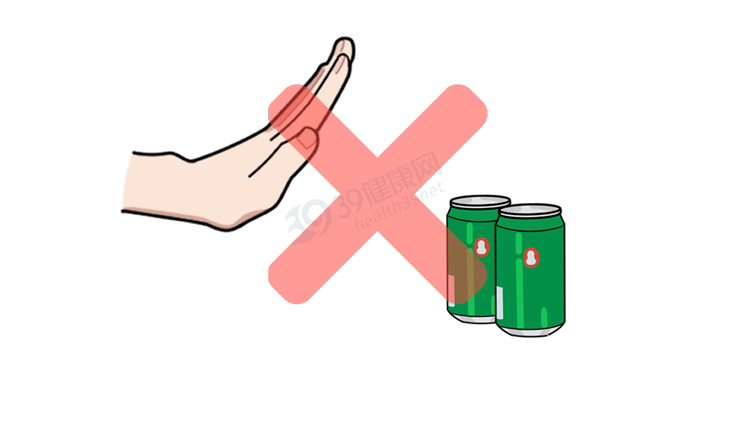
Mr. Liu usually likes to drink a little liquor because he feels that it helps him sleep better.
As time went by, his belly grew bigger and bigger, but he thought he was just getting fat and didn't pay much attention to it.
One day at work, he collapsed on the road. His colleagues took him to the hospital for examination and found that he had problems such as alcoholic fatty liver, ascites, and cirrhosis .
The doctor stated that his long-term drinking habit led to alcoholic fatty liver disease, which has now progressed to cirrhosis...
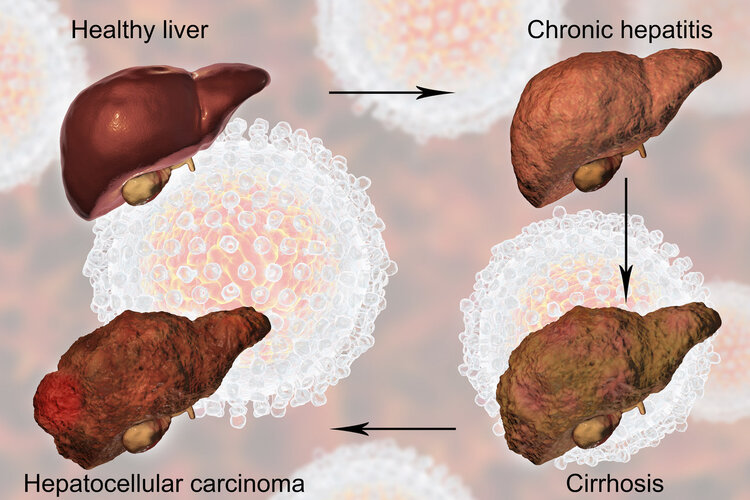
In fact, many people like Mr. Liu are afflicted with liver disease. Fatty liver is highly prevalent, and it's not just alcohol that's to blame!
I. The high incidence of fatty liver is not solely caused by alcohol!
Fatty liver disease refers to liver fat content exceeding 5% of liver weight . Currently, metabolic-related fatty liver disease has become the world's leading chronic liver disease , with a prevalence rate of 6.3%–45%, of which 10%–30% are non-alcoholic steatohepatitis.
In which groups of people is fatty liver commonly found?
1. People who drink excessively over a long period of time
Alcohol metabolism produces acetaldehyde, which is toxic to liver cells. Furthermore, alcohol affects lipid metabolism, so long-term excessive drinking increases the risk of diseases such as fatty liver and cirrhosis.

2. Patients with metabolic syndrome such as type 2 diabetes, hyperlipidemia, and hypertension.
Data shows that the prevalence of fatty liver in patients with type 2 diabetes, hyperlipidemia, and hypertension can reach 28%–70%, 27%–92%, and 60%–90%, respectively.
3. Overweight and obese people
Overweight and obesity are major risk factors for fatty liver disease. Statistics show that the prevalence of fatty liver disease in obese people can reach 60%-90%.
4. People with unhealthy lifestyles
Frequent consumption of high-sugar, high-fat, and highly processed foods increases the risk of obesity, fatty liver disease, and other diseases. In addition, unhealthy lifestyles such as overeating, sedentary lifestyles, and frequent late nights also increase the risk of fatty liver disease.

II. Experts say: Walking 10,000 steps a day may help eliminate fatty liver.
Studies have found that fatty liver disease can be significantly reduced in obese patients who lose 3% to 5% of their body weight.
Chen Jinjun, associate professor at the Liver Disease Center of Nanfang Hospital, Southern Medical University, said that ordinary fatty liver patients should try to walk 10,000 steps a day , and obese fatty liver patients are advised to exercise for more than 250 minutes a week.
Professor Hu Dayi, a renowned cardiovascular expert, enjoys brisk walking and has maintained a routine of walking 10,000 steps almost every day for nearly 20 years . Previously diagnosed with severe fatty liver disease, he not only walked away from his liver but also lost weight, and his blood pressure and blood sugar returned to normal .
However, there are four details to keep in mind when brisk walking!
1. Warm up before walking and stretch after walking.
Wang Mei, a researcher at the Institute of Sports Science of the State General Administration of Sport, advises: It is best to stretch properly before walking, and increase the speed when your feet feel warm. After stopping walking, try not to brake suddenly, but slow down gradually.

2. Walk with your head up and chest out.
The 2023 Chinese Expert Consensus on Exercise Prescription recommends that when walking, you should keep your back straight, relax your neck and shoulders, and look straight ahead, ensuring that your shoulders do not go too far forward and your waist does not go too far back.
3. It's best to choose a park for walking.
A study published in The Lancet tested 119 participants aged 60 and older by having them walk on commercial streets and in parks. The results showed that the participants who walked in parks experienced significant improvements in lung function and softening of arteries.
4. When walking, take small steps and proceed gradually.
Li Qingwen, a professor at the School of Social Sports and Health Sciences of Tianjin University of Sport, pointed out that when walking, one should try to take small steps and proceed gradually. Carrying oneself directly or walking quickly can damage the knees and calves.

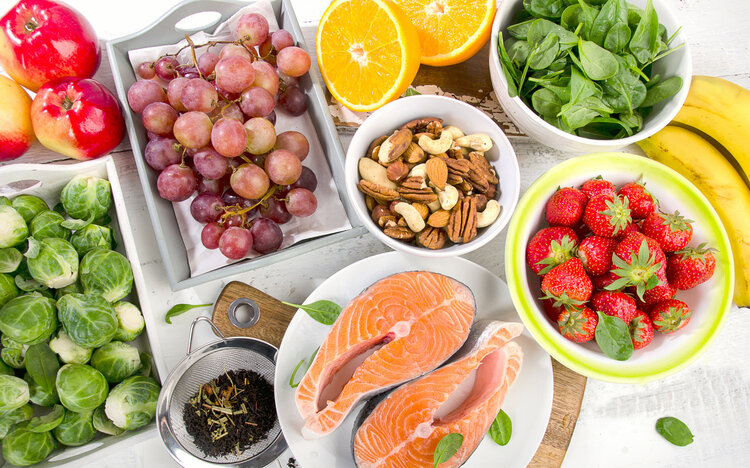
3. To reduce fatty liver, pay attention to the "5 things to eat and 5 things to avoid" in your diet.
To avoid fatty liver, you must control your diet and pay attention to "5 things to eat and 5 things to avoid"!
1. Eat more dietary fiber
In terms of diet, try to eat more high-fiber foods such as beans, potatoes, whole grains, fruits, and vegetables.
2. Eat until you are 80% full.
Avoid overeating; it is advisable to eat until you are about 80% full.
3. Eat high-quality protein
Guo Peng, chief physician of the Department of Hepatology at Xiyuan Hospital of China Academy of Chinese Medical Sciences, reminds everyone that protein can protect liver cells and promote the regeneration and recovery of damaged liver cells. He suggests eating more lean meat, soy products, fish, shrimp, and other high-protein foods.
4. Pay attention to the order in which you eat.
When eating, try to eat vegetables first, then meat, and finally staple food to increase the feeling of fullness.
5. Eat low-fructose foods
Cheng Shuquan, chief physician of the Department of Hepatology at the Third People's Hospital of Guilin City, Guangxi, reminds people that frequent consumption of high-fructose foods is associated with obesity, non-alcoholic fatty liver disease, and other diseases. He suggests that people should try to eat low-sugar fruits as much as possible.
There are 5 things you should avoid eating!
1. Don't always eat vegetarian food.
A purely vegetarian diet can lead to insufficient protein intake, which can affect the metabolism of fat in the liver.
2. Avoid high-fat diets.
Patients with fatty liver must limit their intake of oily foods and avoid high-fat diets.
3. Do not drink alcohol.
More than 95% of alcohol needs to be broken down and metabolized by the liver. Long-term heavy drinking may lead to alcoholic liver disease and worsen fatty liver.
4. Don't skip meals or overeat.
Eating on time is very important; skipping meals or overeating can increase the risk of fatty liver disease.
5. Avoid strong-flavored foods.
In terms of diet, try to eat less strongly flavored food, and try to eat less spicy and irritating foods such as onions, chili peppers, ginger, and coffee.
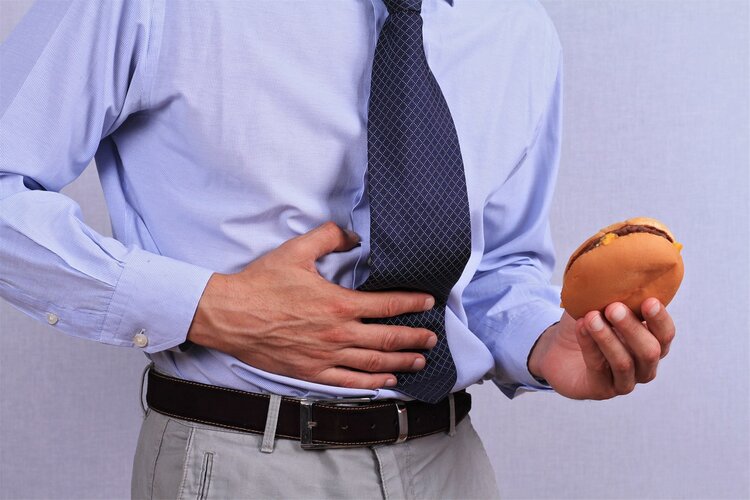
Fatty liver disease is prevalent in my country, and it is not only related to alcohol, but may also be caused by unhealthy lifestyles, being overweight, and obesity. To avoid fatty liver disease, it is important to maintain a healthy diet and follow the "5 things to eat and 5 things to avoid" guidelines.