Someone commented: "I think the temperature of drinking water is very important for weight loss. Drinking ice water at around 0 degrees Celsius every day can force the body to lose weight in order to maintain a normal body temperature. When we drink ice water, our body temperature begins to drop, and in order to warm up, the body needs to burn more fat, which helps with weight loss."
It sounds reasonable, but is it really true? Can you really lose weight just by drinking ice water?
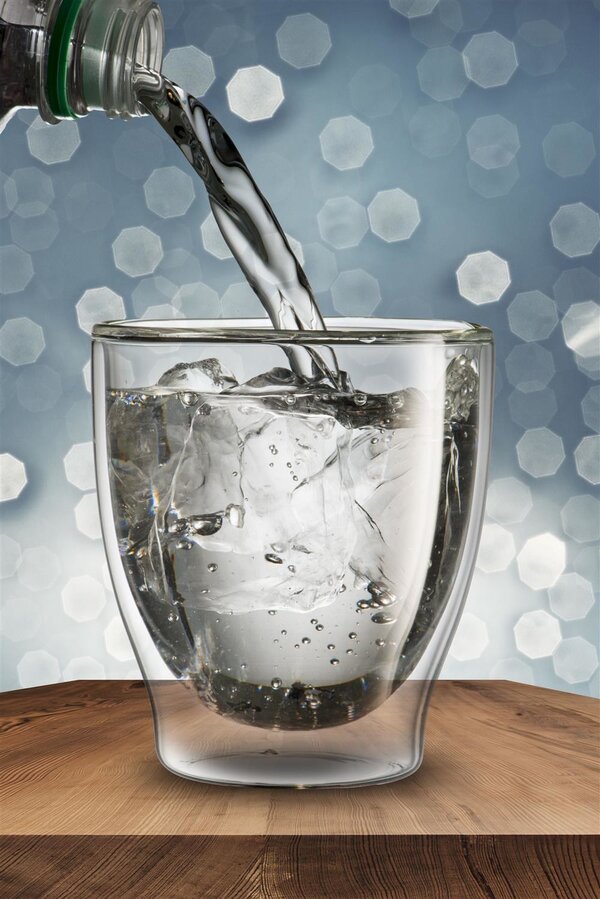
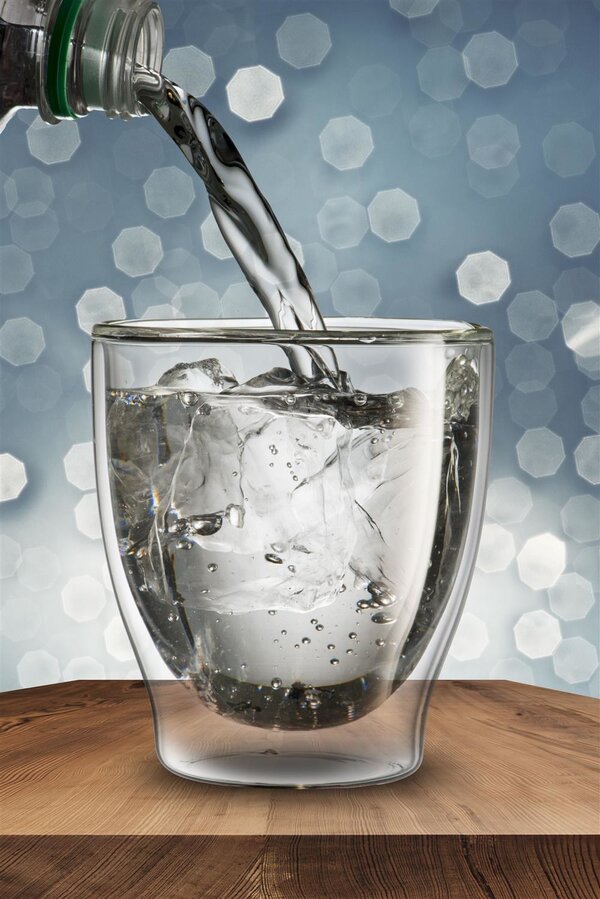
Can water at 0 degrees Celsius help with weight loss?
This statement does have some truth to it; the human body does indeed need to expend a certain amount of energy to maintain a normal body temperature. However, the actual amount of heat consumed during the warming-up process is much smaller.
The key point is that the total amount of water you drink is more important than the water temperature.
Studies show that drinking more water does indeed promote weight loss, but there is no significant difference between drinking ice water at zero degrees Celsius and not. Therefore, if you want to lose weight, and your body allows it, it's more effective and comfortable to drink more water appropriately and control your food intake and fat content than blindly drinking excessively cold water.
Hydration is essential for maintaining good health, and drinking enough water daily can also help maintain a slim and fit figure. Drinking more water helps the body effectively eliminate toxins from the digestive system and keeps you feeling full for longer. Therefore, many health experts recommend drinking a glass of water before each meal to control calorie intake and thus aid in weight loss.
Why you can't drink ice water when trying to lose weight
It's best to avoid drinking ice water while trying to lose weight. Ice water not only doesn't help with weight loss, but it may actually cause weight gain.
Drinking very cold water can be dangerously irritating to your arteries, especially after a meal rich in fat. Furthermore, for people with weak hearts or digestive systems, drinking extremely cold water can cause severe discomfort, sometimes even leading to abdominal pain or diarrhea – a fact many can attest to. On the other hand, numerous studies show that drinking more water does indeed promote weight loss, but whether it's ice water at zero degrees Celsius or not makes no significant difference.
Therefore, if you want to lose weight, if your body allows, it's better to drink more water and control your food intake and fat content appropriately, which is much more effective and comfortable than blindly drinking excessively cold water.
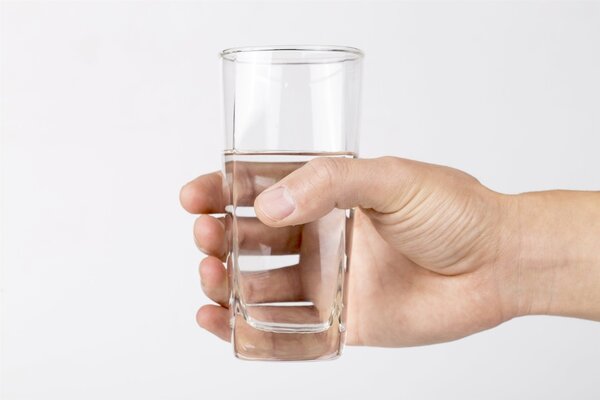
How much water should I drink to lose weight?
Water is actually a heat accelerator.
Even a 1% loss of water can slow down metabolism, thus affecting weight loss. This is because metabolism is actually a series of chemical reactions in the body, and these reactions can only proceed smoothly when the body is kept moist. When you feel thirsty, your body is usually already dehydrated, and your metabolism has already slowed down.
Moreover, dehydration can actually make you hungry. When you feel a little hungry while exercising, it's often just because you're slightly dehydrated, and drinking a glass of water is actually more effective at relieving hunger than eating a snack.
Because the body has difficulty distinguishing between thirst and hunger.
Hunger and thirst are both caused by the action of histamine and both manifest in the same part of the body, so they are easily confused and thirst is mistaken for hunger.
The Institute of Nutrition and Dietetics recommends that men drink 3.7 liters (about 13 standard 300cc cups) of water daily, and women drink 2.7 liters (about 9 cups), but this includes water from food and soup. Furthermore, more should be consumed during exercise or in hot weather.
Drinking water not only helps you feel full, allowing you to eat less, but it also aids digestion. Adequate hydration can also leave your skin glowing and making you look younger.
How can we make drinking water a habit?
Drink a glass of warm water first thing in the morning. This is because the time of day when you most need to drink water is right after waking up. At that time, your body has only had about eight hours of sleep, and the water has evaporated through sweat, leaving you feeling like you're in a desert.
As soon as I entered the office, I went to the tea room to fill the kettle with water and reminded myself to drink 3 cups in the morning and 3 cups in the afternoon, so I drank at least 6 cups in the office.
Drink more water, but that doesn't mean you can gulp it down. Drinking it slowly allows your body to fully absorb the nutrients.
Those working in the field should also remember to bring their water bottles with them.
Keep a glass of water by your bedside before going to sleep. If you suddenly feel thirsty, you don't need to get up and go to the kitchen to get water.