As people pay more and more attention to health and wellness, they also gain a better understanding of tumors and cancer.
Most people know that the formation of malignant tumors is not something that happens suddenly, but is closely related to personal habits. Unhealthy lifestyle and dietary habits can easily provide a good growth environment for malignant tumors. Many cancers are caused by what we eat.

I. Many cancers are caused by what we eat.
It is often said that illness enters through the mouth, and in fact, many cancers are caused by what we eat. The Chinese character for cancer has three mouths, and unhealthy eating, drinking, and smoking habits give cancer an opportunity to take hold.
Frequent consumption of high-salt pickled foods can lead to the accumulation of nitrites in the body, which can produce carcinogenic nitrosamines. These nitrites can act on different organs and potentially cause cancers such as stomach cancer, esophageal cancer, and intestinal cancer.
Excessive consumption of processed meats such as red meat and processed meat can also increase the risk of cancer.
Excessive alcohol consumption can lead to the formation of acetaldehyde when ethanol in the alcohol comes into contact with saliva. High concentrations of acetaldehyde in the body can damage the digestive tract and even cause cancer.
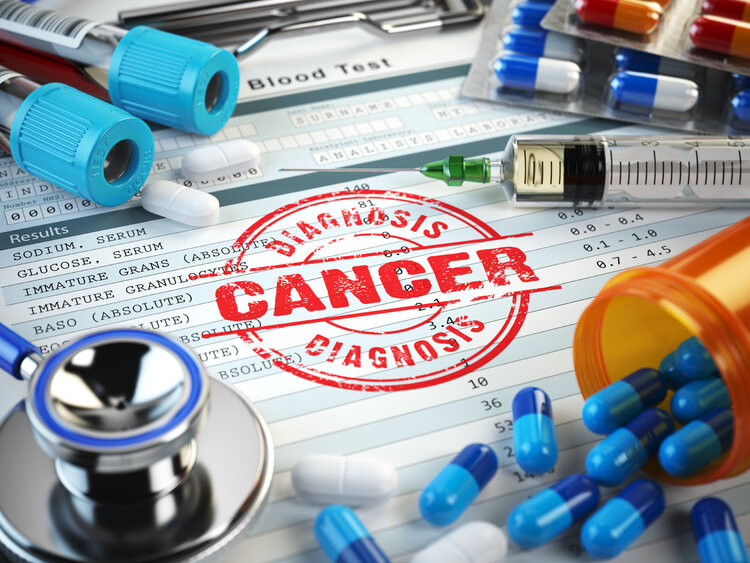
II. The recurring appearance of two symptoms may indicate the onset of a tumor.
The onset of a tumor is not silent. At different stages of development, it will send signals of the disease through certain physical symptoms. If the following symptoms keep appearing, they may be signals of a tumor, so you must be vigilant.
1. Emaciation
Unexplained weight loss should be a warning sign of a tumor. Cancer cells need to consume nutrients from the body to grow and proliferate, and excessive consumption can lead to unexplained weight loss . If you notice this symptom, you should seek medical attention as soon as possible.
2. Pain
Pain is one of the most common symptoms of tumors, with 88% of patients experiencing pain at the onset of the disease , which is closely related to the development and infiltration of cancer cells.
3. Fatigue
Many malignant tumors share fatigue as a common symptom, and this fatigue is difficult to relieve even with sufficient rest.
III. Cancer Screening: Are You Doing It Right?
The mention of cancer evokes fear in many, as it is a disease closely linked to death and has historically threatened the lives of many. Regular cancer screening is essential for cancer prevention.
Different cancers require different screening methods. Among the most common cancers in the general population are liver cancer, stomach cancer, lung cancer, and colorectal cancer.
1. Individuals with underlying liver disease, a family history of liver cancer, or aged 40-69 who are at high risk for liver cancer are advised to undergo serum alpha-fetoprotein (AFP), hepatitis B surface antigen (HBsAg), and hepatitis C antibody (HCA) tests every six months.
2. Individuals with a family history of stomach cancer, underlying stomach conditions, age 45 or older, or unhealthy habits that may lead to stomach cancer are advised to undergo annual screening for serum pepsinogen, Helicobacter pylori, and gastrin-17 . Screening can also be performed via gastroscopy.
3. High-risk individuals aged 50-75, those who actively or passively smoke, those with COPD or other diseases, those with a family history of lung cancer, or those with a history of occupational exposure to lung cancer are advised to undergo low-dose spiral CT screening once a year.
4. High-risk individuals for colorectal cancer, such as those with a history of colorectal-related diseases, long-term abnormal bowel movements, a family history of colorectal cancer, or those aged 45-74, are advised to undergo regular screening for colorectal cancer, including immunochemical fecal occult blood tests, fecal DNA testing, and colonoscopy .
The occurrence of cancer is closely related to poor eating and lifestyle habits. Most cancers are caused by what we eat. Frequently eating pickled foods, processed meats, and drinking too much alcohol can increase the chances of developing cancer. It is essential to have regular cancer screenings.