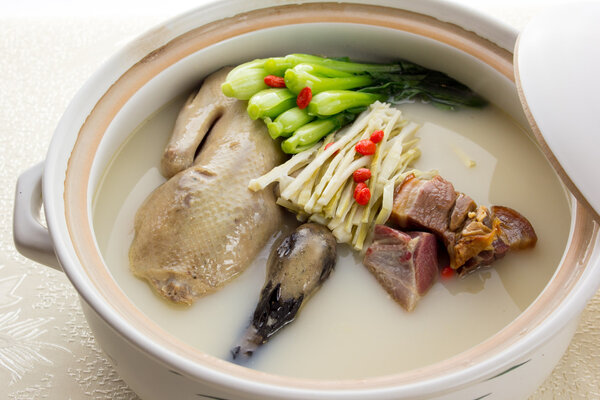
Winter is a good time to nourish the body, but do you know what to eat to nourish yourself in winter? How should you eat to nourish yourself in winter? What are the best foods to eat for winter nourishment? Let's take a look at what foods are most nourishing in winter!
What are the best foods for nourishing the body during winter?
Winter is the season for fresh lotus root. The dry winter weather makes eating lotus root beneficial, as it can nourish yin, clear heat, moisten dryness, quench thirst, and calm the mind.
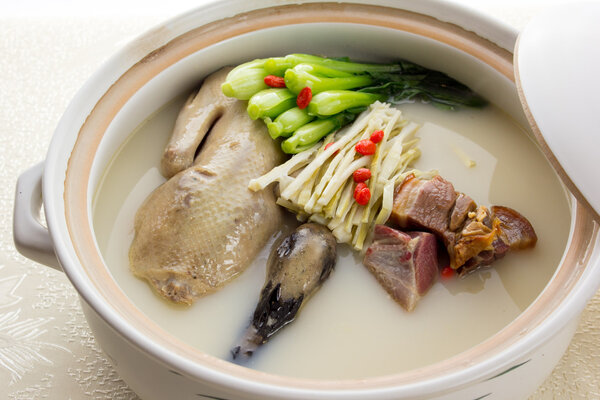
In addition to containing a large amount of carbohydrates, fresh lotus root is also rich in protein, various vitamins and minerals, as well as dietary fiber, which is very beneficial for treating constipation and promoting the excretion of harmful substances.
Best way to eat: Seven-hole lotus root has a higher starch content and less water, making it glutinous but not crisp, and is suitable for making soup; nine-hole lotus root has a higher water content, making it crisp, tender, and juicy, and is best for cold dishes or stir-fries.
Best pairings: Black and white fungus. Pairing with white fungus can nourish lung yin, while pairing with black fungus can nourish kidney yin.
Pears are known for their juiciness and tenderness, containing 85% water. With a sweet and sour taste, they are rich in vitamins and trace elements such as calcium, phosphorus, iron, and iodine, earning them the nickname "natural mineral water." They have been revered as the "king of fruits" since ancient times. In winter, when the air is dry and moisture is scarce, eating a certain amount of pears daily can alleviate dryness and promote saliva production and lung health.
Best way to eat: Eating raw pears can significantly relieve symptoms such as dry, itchy, and sore throat, hoarseness, constipation, and dark urine in patients with upper respiratory tract infections; cooking or steaming pears, such as steamed pears with rock sugar, can nourish yin and moisten the lungs, relieve cough and eliminate phlegm, and has preventive and therapeutic effects on gout, rheumatism and arthritis, while being even more effective in treating lung heat cough and sore throat.
Best pairing: Honey. The famous pear syrup candy is made by simmering pears and honey, and it has a significant effect on patients suffering from lung heat and chronic cough.
Chinese cabbage: "No vegetable is worse than Chinese cabbage." It is slightly cold in nature and sweet in taste, possessing detoxifying and heat-clearing properties, and promoting bowel movement. Those suffering from irritability, thirst, constipation, or scanty, dark yellow urine can regularly consume Chinese cabbage. Chinese cabbage contains a relatively high amount of dietary fiber, as well as vitamins A, B, and C.
Tofu: Tofu is highly nutritious and inexpensive. Because it contains many essential minerals such as iron, calcium, phosphorus, and magnesium, as well as carbohydrates, vegetable oil, and abundant high-quality protein, it is often called "plant-based meat." Two small pieces of tofu can meet the body's daily calcium requirement, making it especially suitable for children and the elderly.