Shepherd's purse: Among the wild vegetables of spring, shepherd's purse is definitely a shining star. It is rich in nutrients and dietary fiber, which promotes intestinal health and also has the effects of strengthening the stomach and aiding digestion, improving eyesight and lowering blood pressure. There is even a saying that "in the warm spring of March, shepherd's purse is better than any elixir."
Bean sprouts: Springtime weather is dry, which can easily lead to symptoms like dry mouth and lips, and angular cheilitis. Bean sprouts, with their delicious flavor, are a good choice for nourishing, moisturizing, and detoxifying. Whether it's soybean sprouts or mung bean sprouts, compared to the original beans, they have increased vitamin content, improved mineral utilization, and more easily absorbed protein and polysaccharides. From a Traditional Chinese Medicine perspective, eating bean sprouts in early spring helps the five internal organs transition from winter dormancy to spring growth, which is beneficial for liver qi circulation, spleen health, and stomach health.
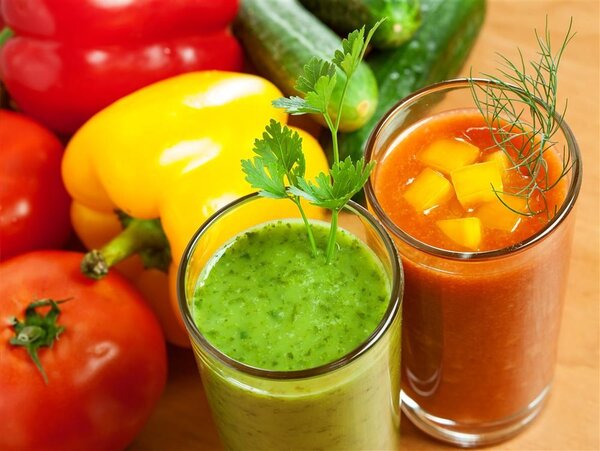
Tomatoes: Tomatoes are rich in natural antioxidants, including vitamin C and lycopene. Vitamin C can prevent and treat colds and scurvy. For those deficient in vitamin C, eating raw tomatoes is a good way to supplement vitamin C.
Lettuce: Lettuce is one of the best vegetables to eat in spring. It is rich in vitamins, calcium, magnesium, dietary fiber, and other components. Japanese research has found that a certain substance in lettuce can resist rhinitis caused by allergies in spring and relieve the pain of allergies.
Leeks: In traditional Chinese medicine, the history of leeks as a medicinal herb can be traced back to the Spring and Autumn and Warring States periods. In the Compendium of Materia Medica, the effects of leeks are described as follows: "Raw juice can treat shortness of breath, wheezing, and detoxify meat poisoning. Boiled juice can stop coughing and night sweats."
Peas: It's currently pea season. Peas are plump, green, and nutritious at this time of year, with a delicious flavor. They are neutral in nature and sweet in taste, beneficial for the spleen and stomach, promoting saliva production, quenching thirst, and facilitating urination. The spleen is closely related to the skin; if spleen function declines, blood circulation will be hindered, and the skin will easily become rough due to lack of blood nourishment. Therefore, eating peas in spring has a beautifying effect.
Celery: Eating celery in spring can clear heat, soothe the liver, strengthen the stomach, promote urination, lower blood lipids, and lower blood pressure. Celery is the first choice for soothing the liver and dissipating heat in spring. Because it has the effect of clearing heat and detoxifying, eating it regularly can soothe the liver and relieve heat, and can also effectively prevent spring fatigue, making people feel refreshed.
Chinese kale: Chinese kale contains organic alkaloids, which give it a slightly bitter taste. This bitterness stimulates the taste buds, increases appetite, and accelerates gastrointestinal motility, aiding digestion. Another unique bitter component in Chinese kale is quinine, which can inhibit the over-excited temperature regulation center, thus having a cooling and heat-relieving effect. Chinese kale is rich in dietary fiber, which can prevent constipation. Traditional medicine believes that Chinese kale has the effects of clearing away pathogenic heat, relieving fatigue, and clearing the mind and improving eyesight.
Spring bamboo shoots: Spring is the best time to enjoy fresh spring bamboo shoots. They are especially plump and tender, thus earning the title of "King of Vegetables" for spring. Spring bamboo shoots are not only a delicious vegetable but also a medicinal herb. They are sweet and cooling in nature, and are believed to benefit the nine orifices, clear blood vessels, resolve phlegm, and relieve indigestion. Spring bamboo shoots are thick, delicious, and nutritious, and can be prepared in both vegetarian and meat dishes. Different cooking methods result in different flavors; stir-frying, stewing, boiling, and simmering all produce excellent dishes.
Spinach: Spinach is a seasonal vegetable in spring, and eating more spinach can nourish the liver and improve eyesight. Spinach is a treasure trove of vitamins and minerals, so eating it regularly can not only fully replenish vitamins and minerals, but also effectively resist the invasion of various pathogens and prevent common spring illnesses such as colds.
Watercress: A vegetable with exceptionally high reproductive capacity, rich in vitamins and trace elements, it has a sweet and slightly bitter taste, is cooling in nature, and benefits the lungs and bladder. It has the effects of clearing dryness and moistening the lungs, resolving phlegm and relieving cough, and promoting urination. It has a refreshing taste and is generally used in soups to enhance their flavor.
Chinese toon: Since ancient times, Chinese toon has been recognized as a famous seasonal delicacy in spring. It possesses a unique and appetizing aroma and is extremely rich in nutrients. The *Rihuazi Materia Medica* states that Chinese toon can "stop seminal emission and hematuria, warm the lower back and knees, remove heart palpitations and coldness, chest pain, abdominal pain, etc., and make one plump and fair-skinned. For stroke and loss of voice, grind it into juice and take it; for severe heart, spleen, and stomach pain, grind it raw and take it; for snake and dog bites and malignant sores, pound it and apply it."