Mr. Lu, 46, recently had an embarrassing problem. When he went to the hospital for a checkup, he hesitated before finally explaining his symptoms. It turned out that he had been experiencing persistent anal itching and couldn't help but scratch it. A few days ago, he even felt a lump around his anus.
Mr. Lu felt scared, so he went to the hospital for treatment. After several tests, it was discovered that Mr. Lu was infected with HPV, and the preliminary diagnosis was anal cancer.
Why are people with HIV/AIDS more prone to anal cancer?
Anal cancer is not common in daily life, accounting for about 1% to 2% of colorectal cancers, but its incidence has been on the rise since 1970.
Anal cancer is a type of cancer that occurs in the anus and is a type of cancer of the lower digestive tract. It is often caused by damage resulting from long-term chronic irritation caused by hemorrhoids, anal fistulas, condyloma acuminata, surgical scars, piloerection, hidradenitis suppurativa, etc.
Furthermore, according to relevant studies, approximately 90% of anal cancers are related to HPV infection. The incidence rate of anal cancer is about 1 in 100,000 ; however, the incidence rate of anal cancer in HIV-positive individuals is about 19 times higher than in the general population .
Why are people with HIV/AIDS more prone to anal cancer? This is likely due to a combination of high levels of HPV exposure and decreased cell-mediated immunity in HIV-positive individuals . Anal cancer is the fourth most common type of cancer among people with HIV/AIDS.
Studies have found that HIV-infected individuals develop cancer or high-grade squamous intraepithelial lesions faster, and they also have more types of HPV than the general population. Their bodies have difficulty clearing the virus naturally, so HIV patients are more likely to develop anal cancer than the general population.
If your body sends out these 5 warning signs, it's likely that you're developing anal cancer.
When you have anal cancer, the body may experience the following symptoms:
Increased anal discharge and a feeling of something stuck in the anus.
Increased anal discharge and a feeling of something stuck in the anus should raise suspicion of anal cancer. Healthy individuals typically experience no unusual sensations around the anus unless they feel the urge to defecate.
However, patients with anal cancer are prone to a feeling of pressure from a foreign object at the anus , and may also experience ulcers and other discharge , which will gradually increase.
abnormal bleeding from the anus
One of the most common early symptoms of anal cancer is rectal bleeding, which is easily misdiagnosed as hemorrhoids. However, even after ruling out hemorrhoids, bleeding may still occur in the anus . The amount of bleeding may not be large, but it may be unexplained and accompanied by pain around the anus.
anal itching
Due to the influence of tumors, patients with anal cancer are prone to anal itching. This itching can last for a long time and recurs frequently, and does not improve significantly even with ordinary treatment.
abnormal bowel movements
When anal cancer progresses to a certain stage, patients are prone to experiencing symptoms such as narrowing of the stool .
Swollen lymph nodes
In the later stages of anal cancer, patients may also experience swollen lymph nodes, mainly in the groin or pelvic cavity .
Prevent anal cancer by doing these 3 things
If cancer cells spread to the sphincter muscle in an anal cancer patient , the patient can only have the lesion removed and the anus sutured . In the end, the patient can only have a colostomy to defecate , which has a very serious impact on their life. If the disease is not treated in time, it may even threaten the patient's life.
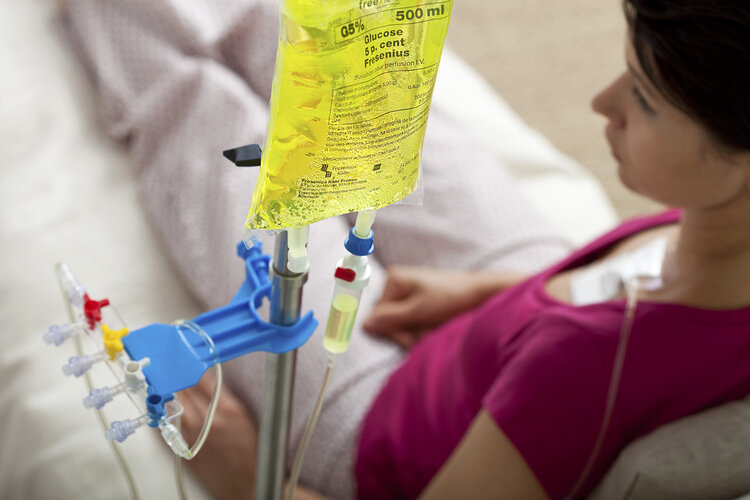
Currently, the main treatment for anal cancer is a combination of radiotherapy and chemotherapy. Whether surgical treatment is necessary depends on factors such as the location of the tumor and whether there is lymph node metastasis.
Surgical treatment is mainly to remove the tumor, radiation therapy uses high doses of radiation to kill cancer cells, and chemotherapy uses chemical drugs to kill cancer cells.
Although the incidence of anal cancer is not high, it poses a great threat to human health, so it is important to take preventive measures against anal cancer.
HPV vaccination
Anal cancer and cervical cancer are both related to HPV infection. Experts urge that both men and women should get vaccinated against HPV to help prevent infection with HPV-related viruses, which is one of the best ways to prevent anal cancer.
Some studies have found that receiving the HPV vaccine at a younger age provides better protection than receiving it after age 21.
Regular physical examinations
Early diagnosis and treatment of anal cancer are crucial. Digital rectal examination can detect anal and rectal problems early. For people over 50, it is best to have regular check-ups, including routine stool examination, digital rectal examination, and fiberoptic endoscopy.
Pay attention to personal hygiene
The main source of HPV infection in the anal area is sexual contact. To prevent anal cancer, you should pay attention to personal hygiene, avoid unsafe sexual practices , avoid scratching your anus with hands carrying the HPV virus, and avoid sharing personal items such as towels, clothing, and bed sheets with others.

Anal cancer has a low incidence rate, so it is easily overlooked. However, anal cancer can be very harmful to patients, so we should always be vigilant.