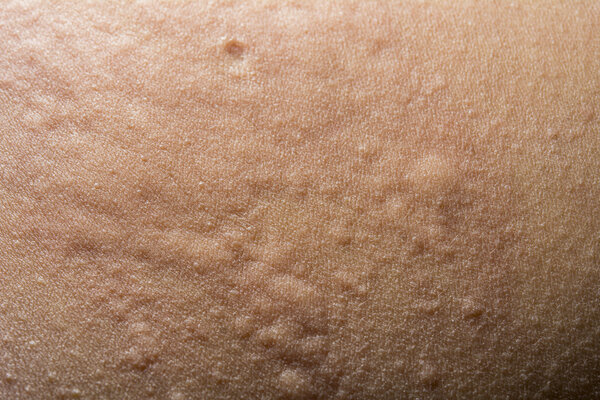
Allergic purpura, also known as Henoch-Schönlein syndrome, is a relatively common microvascular allergic hemorrhagic disease. Causes include allergies to infections, food allergies, drug allergies, pollen, insect bites, etc., but the specific allergen is often difficult to determine. It is more common in children and adolescents, and more prevalent in males than females. A history of upper respiratory tract infection often precedes the onset of the disease by 1-3 weeks.
Experts explain that allergic purpura in children, also known as hemorrhagic capillary poisoning or Henoch-Schönlein syndrome, is a relatively common allergic reaction of capillaries. The lesions primarily affect the capillary walls in the skin, mucous membranes, gastrointestinal tract, joints, and kidneys, increasing their permeability and fragility, thus causing bleeding symptoms.
The main causes of allergic purpura in children are as follows:
Allergic purpura is a common childhood disease, belonging to the category of autoimmune disorders, and its rapid onset is a prominent characteristic. In recent years, the incidence of allergic purpura has shown an upward trend, with a higher incidence in children aged 6-14 years. Most affected children have an allergic constitution.
The causes of allergic purpura in children can be categorized as follows:
1. Infections: such as colds, tonsillitis, pneumonia, diarrhea, urinary tract infections, skin sores, etc. About half of the children with the disease have a history of upper respiratory tract infection 1-3 weeks before the onset of the disease.
2. Foods: such as fish, shrimp, eggs, milk, alcohol, beverages, soy products, leeks, beef jerky, etc., can trigger the onset of allergic purpura or cause a relapse in those who have recovered after treatment.
3. Drugs: such as penicillin, sulfonamides, biological agents, various vaccines, plasma products, blood, etc.
4. Toxins: such as bites from bees, snakes, scorpions, mosquitoes, etc., may also cause illness.
5. Certain foreign objects: such as pollen, willow catkins, pet fur, as well as paint, gasoline, dust, chemicals, pesticides, chemical fibers, etc., can cause children to develop the disease through contact.
As can be seen from the above causes, the most reliable way to prevent allergic purpura in children is through diet.