In medicine, subcutaneous hemorrhages with a diameter of 3-5 mm are called purpura. There are many causes of purpura, such as allergic reactions, thrombocytopenia, and family history.
What is allergic purpura ?
Allergic purpura is a common disease caused by an allergic reaction in the body. It is caused by an allergic reaction in the body to certain sensitizing substances, which leads to increased capillary fragility and permeability, blood extravasation, and the appearance of skin purpura, bleeding in mucous membranes and certain organs. Other allergic manifestations such as skin edema and urticaria may also occur at the same time.
Allergic purpura can occur at any age, but it is more common in children and adolescents. It is more prevalent in spring and autumn. The root cause of allergic purpura is an allergic constitution. When external pathogenic factors enter the body, they trigger an allergic reaction, leading to the disease. External pathogenic factors can be divided into the following four categories:
① Infections: Various bacterial, viral, and parasitic infections. Common ones include respiratory infections, tonsillitis, measles, chickenpox, and rubella.
② Foods: Foods rich in animal protein such as fish, shrimp, crab, eggs, chicken and milk; spicy foods such as chili peppers, alcohol, raw onions and raw garlic; and convenience foods containing additives.
③ Drug allergy : Antibiotics (such as penicillin, streptomycin, chlortetracycline, chloramphenicol, cephalosporins, etc.), antipyretic analgesics (salicylic acid derivatives, phenylbutazone, indomethacin, quinine, etc.), sedatives, sulfonamides, atropine, isoniazid, thiazide diuretics, etc.
④ Others : pollen, dust, cold, insect bites, vaccinations, etc.
The pathogenesis of allergic purpura.
① Proteins and other macromolecular allergens act as antigens, stimulating the body to produce antibodies (mainly IgG). These antibodies bind to the antigens to form antigen-antibody complexes, which deposit on the vascular endothelium, activating complement and leading to neutrophil migration, chemotaxis, and the release of a series of inflammatory mediators, causing a vascular inflammatory response. This inflammatory response is observed not only in the skin, mucous membrane arterioles and capillaries, but can also affect small blood vessels in the intestines, kidneys, and joint cavities.
② Small molecule allergens act as haptens, binding with certain proteins in the human body to form antigens, stimulating the body to produce antibodies. These antibodies adsorb onto blood vessels and surrounding mast cells. When the haptens re-enter the body, they react with the antibodies on the mast cells, causing the mast cells to release a series of inflammatory mediators, resulting in vasculitis.
How is allergic purpura classified in medicine? What are its manifestations?
Most patients with Henoch-Schönlein purpura experience prodromal symptoms such as general malaise, low-grade fever, fatigue, and upper respiratory tract infection 1-2 weeks before the onset of the disease, followed by typical clinical manifestations. Based on different symptoms and signs, it can be divided into the following types:
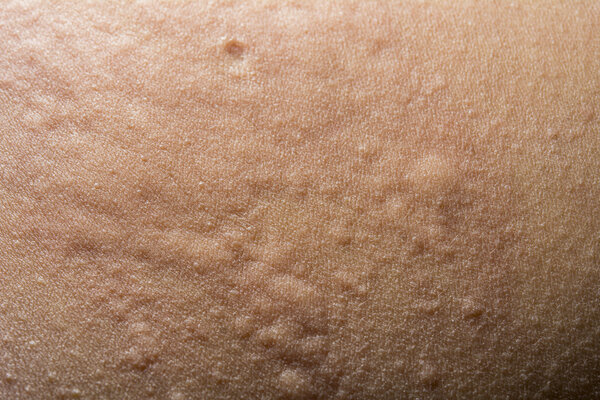
① Simple type: This is the most common type. The main manifestation is purpura on the skin. The purpura vary in size and may merge into patches, forming ecchymoses. Purpura is mainly limited to the limbs, especially the lower limbs and buttocks; it rarely occurs on the trunk. It may be accompanied by skin edema and urticaria, and gradually subsides within 7-14 days.
② Abdominal type : In addition to skin purpura, a series of gastrointestinal symptoms and signs (occurring in about 2/3 of patients) arise due to involvement of the gastrointestinal mucosa and visceral peritoneum capillaries, such as nausea, vomiting, hematemesis, diarrhea, mucus in stool, and hematochezia. Abdominal pain is the most common symptom, often paroxysmal colic, located around the umbilicus, lower abdomen, or the entire abdomen. Attacks can be misdiagnosed as a surgical emergency due to abdominal muscle tension, significant tenderness, and hyperactive bowel sounds. In young children, intussusception can occur due to intestinal wall edema and increased peristalsis.
Abdominal symptoms and signs often appear simultaneously with skin purpura, but occasionally they may occur before purpura.
③ Joint type: In addition to skin purpura, joint swelling, pain, tenderness and dysfunction may occur due to vascular involvement in the joints (about 1/2 of patients have joint symptoms). It often occurs in large joints such as the knee, ankle, wrist and elbow. The joint swelling is generally mild, migratory, and recurs repeatedly. It heals after several days and does not leave joint deformities.
④ Renal type: This is the most severe form, with an incidence rate as high as 12%-40% of patients. In addition to skin purpura, hematuria, proteinuria, and casts appear due to glomerular capillary inflammation. Renal symptoms can appear at any stage of the disease, but are most common one week after the onset of purpura. It is generally believed that the earlier urinary changes appear, the more severe the course of nephritis. In a few cases, repeated attacks can lead to chronic nephritis (hematuria, proteinuria, edema, hypertension), nephrotic syndrome (urinary protein >3.5g/d, hypoalbuminemia <30g/L, edema, elevated blood lipids), and even renal failure. These kidney damages caused by Henoch-Schönlein purpura are called Henoch-Schönlein purpura nephritis.
⑤ Mixed type: In addition to skin purpura, two or more of the other three types coexist.
⑥ Other: In addition to the common types mentioned above, a small number of patients with this disease may also experience optic nerve atrophy, iritis, retinal hemorrhage and edema, and central nervous system-related symptoms and signs due to the involvement of blood vessels in the eyes, brain and meninges.