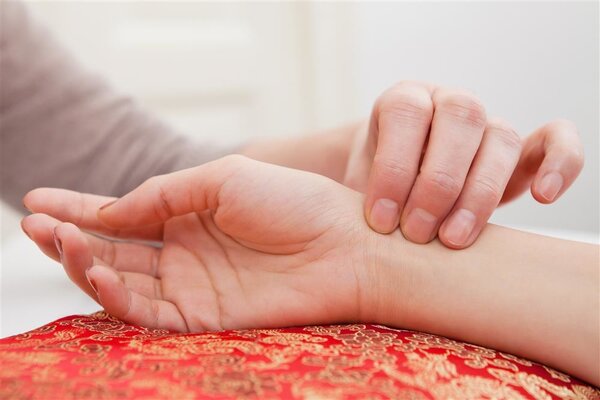
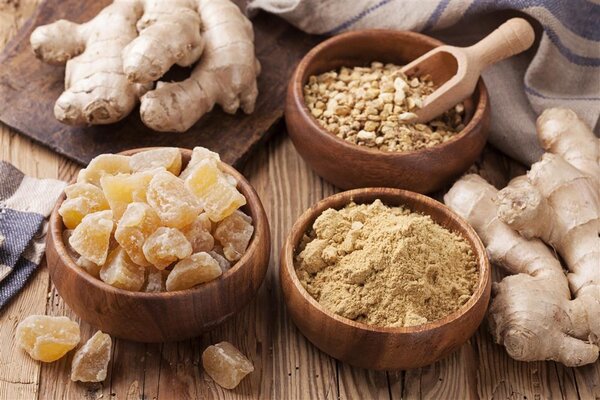
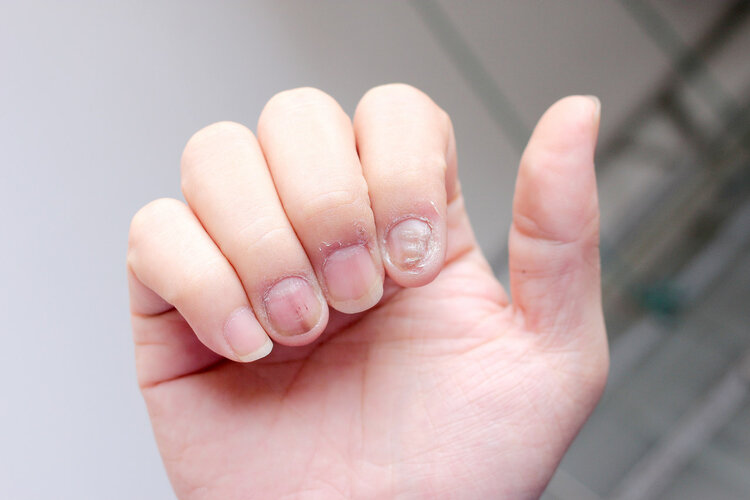
Traditional Chinese medicine treatment for pleural effusion can include methods such as promoting diuresis and reducing swelling, strengthening the spleen and resolving dampness, clearing heat and detoxifying, promoting blood circulation and removing blood stasis, and unblocking the meridians and relieving pain.
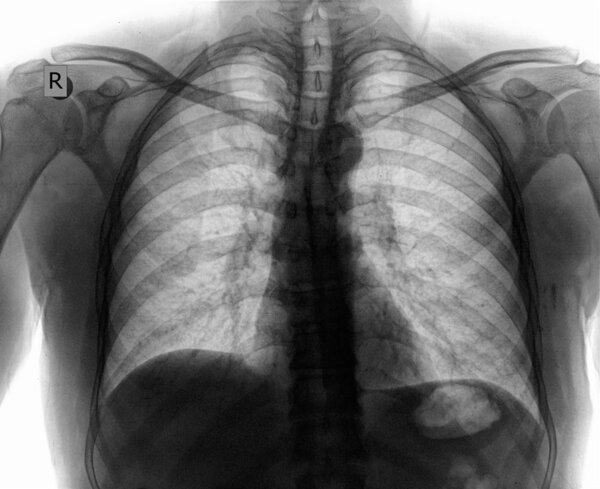
1. Promotes diuresis and reduces swelling
Diuresis and edema reduction involves using traditional Chinese medicine that promotes water metabolism to decrease pleural effusion. For example, herbs such as Poria cocos and Alisma plantago-aquatica can be used. This method is suitable for pleural effusion caused by lung qi deficiency.
2. Strengthen the spleen and eliminate dampness
Strengthening the spleen and resolving dampness involves using traditional Chinese medicine formulas or herbs that tonify the spleen and promote the transformation and transportation of fluids to improve pleural effusion. Commonly used formulas include Liu Jun Zi Tang and Xiang Sha Yang Wei Wan. These are effective for pleural effusion caused by spleen and stomach weakness.
3. Clears heat and detoxifies
Clearing heat and detoxifying refers to using cold-natured medicinal materials to remove internal heat and pathogenic factors, thereby relieving pleural effusion. Representative formulas include Yinqiao Powder and Gegen Qinlian Decoction. This method can be considered for infectious pleural effusion accompanied by symptoms such as fever and thirst.
4. Promotes blood circulation and removes blood stasis
The purpose of promoting blood circulation and removing blood stasis is to improve blood flow and thus help eliminate pleural effusion. Representative formulas include Xuefu Zhuyu Decoction and Taohong Siwu Decoction. These are beneficial for pleural effusion caused by blood stasis due to traumatic injuries.
5. Unblocks meridians and relieves pain
The focus of this approach is to unblock the meridians and relieve pain caused by nerve compression due to pleural effusion. Commonly used formulas include Shen Tong Zhu Yu Tang and Qiang Huo Sheng Shi Tang. This approach is suitable when pleural effusion causes persistent dull chest pain.
In Traditional Chinese Medicine (TCM) treatment, patients should get plenty of rest and avoid strenuous exercise to prevent worsening of breathing difficulties. Their diet should be light and bland, avoiding excessively salty foods to prevent hindering the diuretic and swelling-reducing effects.