
Are peanuts a longevity food or a cancer accelerator? Are sprouted peanuts really poisonous? Let's explore the truth together!
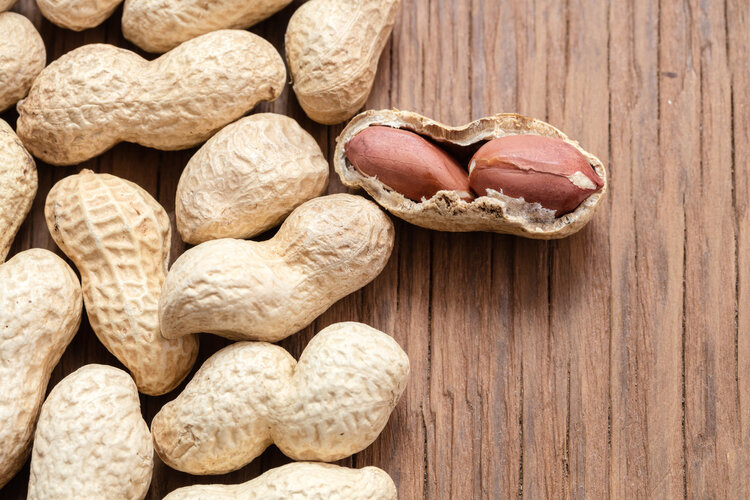
1. Does eating peanuts accelerate the metastasis of cancer cells in cancer patients?
Peanuts, also known as groundnuts, are a type of nut that is widely consumed. In folk tradition, they are known as the "longevity fruit" or "long life fruit," and have even come to symbolize many children and good fortune.
Peanuts are not only edible but also commonly used in the production of cosmetics such as soap and hair oil. Their medicinal value is also diverse. Scientific research has found that peanuts contain 44-45% fat, primarily monounsaturated and polyunsaturated fatty acids, which are helpful in improving and preventing cardiovascular diseases. The lysine and catechins they contain also have anti-aging effects, while the protein (24-36%) and fatty oils can help postpartum women promote lactation, nourish blood, and replenish qi and blood.
Meanwhile, peanuts are rich in calcium, which can supplement calcium and is beneficial for growth and development. They also contain various vitamins such as vitamin K, riboflavin, nicotinic acid, and thiamine, which are beneficial for blood clotting, hemostasis, and vision. Furthermore, they contain zinc, phospholipids, and lecithin, which have certain anti-aging effects and are beneficial for enhancing memory.
In addition, studies have confirmed that resveratrol contained in peanuts can help prevent or alleviate cardiovascular and cerebrovascular diseases, and can also help prevent cancer, especially rectal and colorectal cancer.
In summary, peanuts contain many nutrients that are beneficial to the human body, and it is no exaggeration to call them the "longevity fruit".
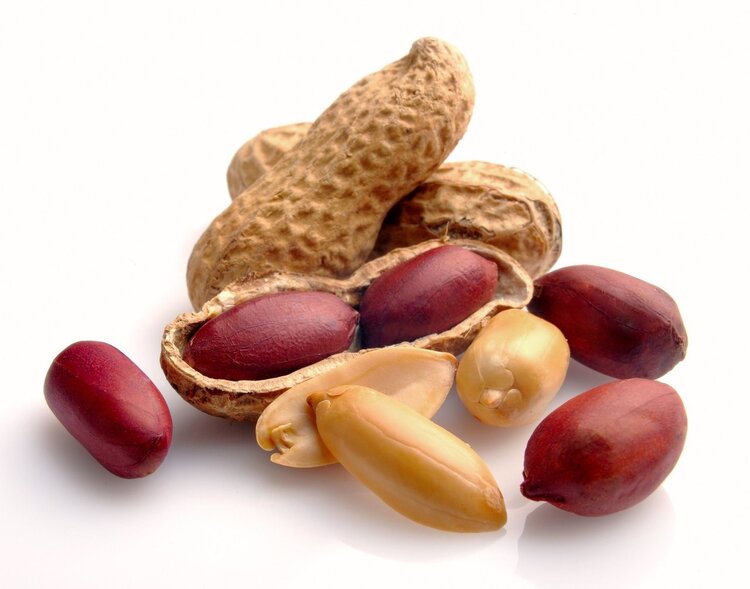
However, some studies have found that peanuts may promote cancer development . A 2014 study published in the medical journal *Carcinogenesis*, led by Professor Lugang Yu of the University of Liverpool, found that peanut lectin (PNA) increases the risk of atypical adhesion of cancer cells to vascular endothelium and promotes the formation of homogeneous aggregates of cancer cells. In mouse models, peanut lectin also showed a tendency to promote cancer cell proliferation.
The international medical journal Carcinogenesis also published a study conducted by researchers at the University of Liverpool in 2021, which confirmed that when the amount of peanuts consumed by the human body reaches a certain level, peanut lectin will react with the endothelial cells of the blood vessel wall to produce two cytokines: interleukin-6 and monocyte chemotactic protein. These two substances are key mediators of cancer cell metastasis.
However, the study also found that peanut lectin promotes cancer cell metastasis under two conditions: first, the patient must be a cancer patient; second, the amount of peanuts consumed must be specific. Only when a single consumption exceeds approximately 250 grams is there a risk of cancer cell metastasis within one hour thereafter. Therefore, for cancer patients, as long as peanut intake is controlled, there is no risk of cancer metastasis; low-dose peanut consumption is quite safe.
II. Three myths about peanuts – how many have you been fooled by?
Peanuts have been a well-known food since ancient times, and there are countless stories about them, including some rumors. These three claims about peanuts are all rumors, so don't be fooled!
1. Sprouted peanuts are poisonous and should not be eaten.
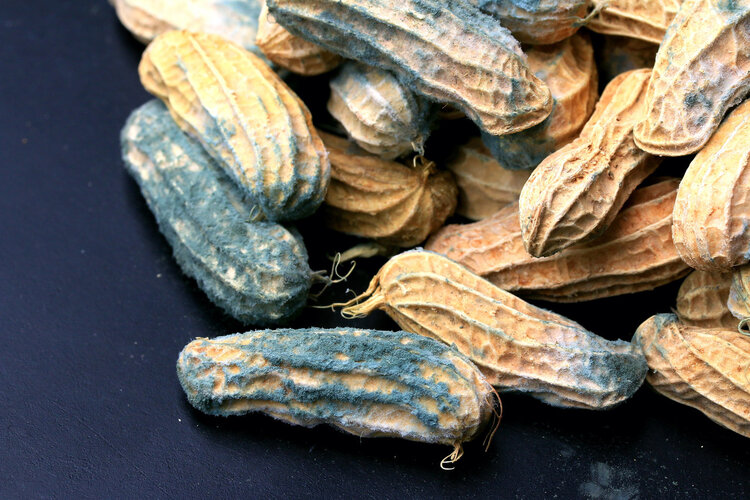
Sprouted peanuts are non-toxic and harmless; in fact, their nutritional value increases, so they are safe to eat. However, moldy peanuts are toxic and should not be consumed. A small percentage of peanuts may become infected with Aspergillus flavus during sprouting, carrying aflatoxin, a highly toxic substance far exceeding arsenic and also carcinogenic; therefore, they should never be eaten.
2. Is traditionally pressed peanut oil more nutritious and natural?
Traditionally pressed peanut oil production lacks advanced equipment and rigorous quality control over raw materials and processing. This makes it easy for aflatoxin to contaminate the product with the naked eye. While aflatoxin is easily visible in raw materials, it is colorless and indistinguishable from the toxin itself, which can seep into the peanut kernel.
Secondly, the traditional pressing process for peanut oil does not involve proper testing of the oil's composition, and the presence of aflatoxin is not visible to the naked eye. Finally, aflatoxin requires temperatures above 280 degrees Celsius to decompose, a temperature typically unattainable in household settings. Therefore, it is safe to consume traditionally pressed peanut oil produced in small workshops with caution.
3. Can peanuts soaked in vinegar lower blood pressure?
Currently, only some medical drugs have a clear effect on lowering blood pressure, and a few foods, when consumed correctly, can only play a certain auxiliary role. Medically, there is no evidence that any food has a blood pressure-lowering function. Vinegar itself does not have any effect on the cardiovascular system, and peanuts soaked in vinegar do not add any new components; therefore, the claim that it lowers blood pressure is unreliable.

The third and fourth groups of people should avoid eating peanuts.
While peanuts may offer benefits in anti-aging, anti-senescence, and memory enhancement, Qi Cuihua, associate professor of nutrition at Jinan University, cautions that four types of people should avoid eating peanuts.
1. People with thrombosis
The vitamin K in peanuts has a blood-clotting effect. People with thick blood or blood clots may increase their risk of blood clots if they eat too much peanuts due to this effect.
2. Patients with liver and gallbladder diseases
Peanuts are rich in fat and protein, and consuming large amounts can increase the burden on the gallbladder. Patients with liver and gallbladder diseases already have insufficient liver and gallbladder function, which may worsen their condition. Therefore, it is best to avoid eating them, or at least control the amount consumed.
3. Patients with gastrointestinal diseases
Peanuts are a high-protein food, and consuming too much requires stronger digestion and absorption. However, patients with gastrointestinal diseases already have reduced gastrointestinal function, which may not be able to handle the situation in time, leading to symptoms such as diarrhea, abdominal pain, and bloating.
4. People with excessive sebum secretion
Peanuts contain fat that may stimulate sebum secretion in the skin's hair follicles, and they also contain 20% sugar. If combined with other sugar intake and spicy food stimulation, this may lead to skin damage and allergies.
Furthermore, the "Chinese Dietary Guidelines" recommend that healthy adults consume about 10 grams of nuts, including peanuts, per day, which is approximately 12 peanuts . Excessive consumption is not advisable. Therefore, regardless of the purpose of consuming peanuts, moderation is key; one should not become overly reliant on them.
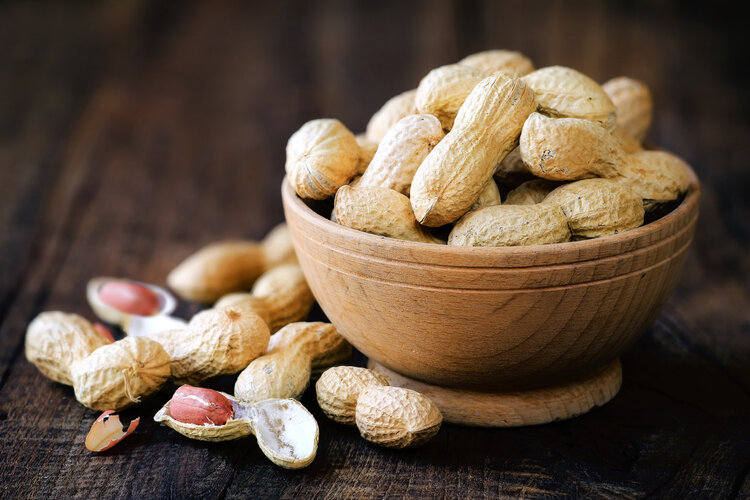
While the health benefits of peanuts are undeniable, it's important to be rational and control consumption. Avoid consuming large quantities in a short period, as this can have adverse effects, potentially harming your health. This is especially true for cancer patients and those who should avoid peanuts altogether. Furthermore, dietary therapy should only be used as an adjunct to treatment. If you experience symptoms, please consult a qualified doctor at a reputable hospital and do not place undue reliance on the effects of food.