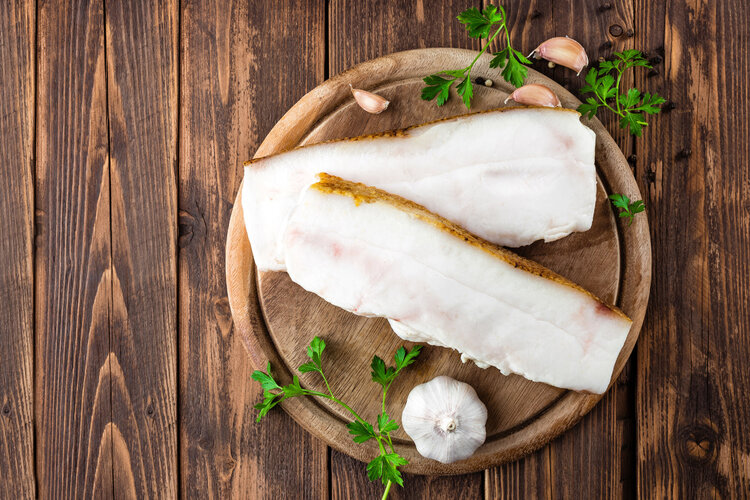
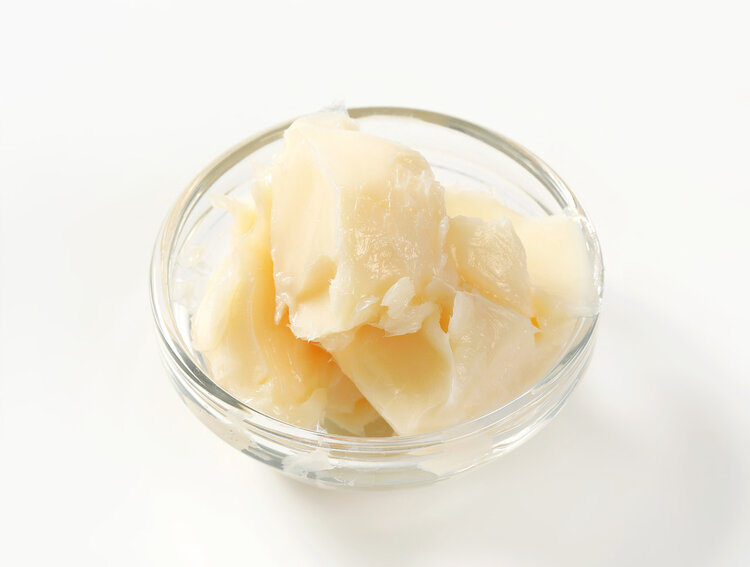
In life, many people may regard lard as a "health killer ," believing that lard is high in saturated fat and is the culprit of many chronic diseases . Is lard really that bad?
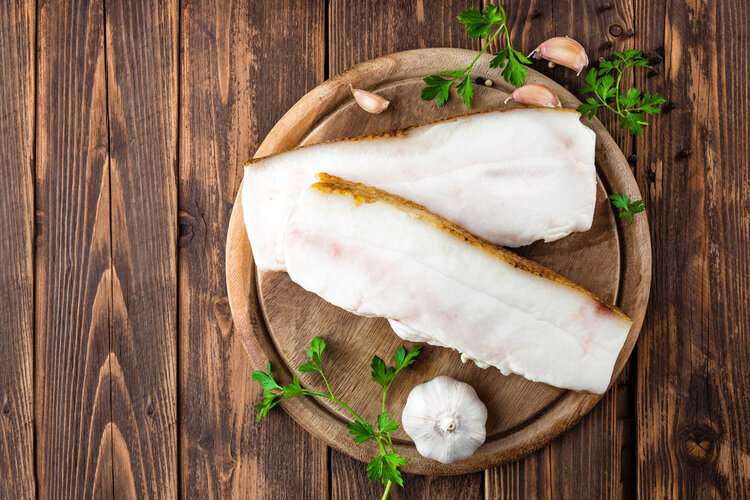
First, lard tastes delicious and also has certain nutritional value.
Compared to regular vegetable oil, the biggest characteristic of lard is its aroma. Even a simple bowl of rice mixed with lard can make people want to eat a whole bowl.
The reason lard is so fragrant is because it contains trace amounts of special proteins and glyceride breakdown products , along with abundant saturated fatty acids. These factors combined make lard exceptionally fragrant. Besides its delicious taste, lard also contains many nutrients, including abundant vitamins and minerals.
Lard contains vitamin D , second only to cod liver oil. Consuming lard can help the body supplement vitamin D, which is beneficial for physical development and bone health. At the same time, lard also contains carotene , which is very helpful in protecting eyesight and can play a role in preventing eye diseases such as night blindness and dry eye. The minerals contained in lard are also essential for health and can help the body maintain optimal condition.
II. Does eating lard really increase the risk of cardiovascular disease?
In recent years, there have been increasing negative comments about lard. Many people believe that eating lard increases the risk of cardiovascular disease, and some have even blacklisted lard and vowed never to eat it again. Is this the right thing to do?
Lard is frequently criticized because it contains a lot of saturated fat.
When the body ingests large amounts of saturated fat, it may induce abnormal lipid metabolism, leading to obesity and subsequently cardiovascular problems. However, lard is not the only food containing saturated fat; butter, cakes, fried foods, and other foods are also rich in saturated fat.
Furthermore, cardiovascular disease is often the result of multiple factors, including improper diet, smoking and excessive alcohol consumption, high blood pressure, high cholesterol, and high blood sugar, as well as unhealthy lifestyle habits. We cannot simply blame lard.
For patients with cardiovascular and cerebrovascular diseases, it's best to minimize their intake of lard. However, for healthy individuals, occasional or moderate consumption of lard will not have a significant impact on their health, so there's no need to worry excessively.

Many people feel they've eaten lard their entire lives and haven't experienced any health problems, thinking today's young people are making a mountain out of a molehill. Why did the older generation, who frequently consumed lard, remain healthy?
This is because the older generation mostly lived in an era of scarcity, and the nutrition they could get from their diet was very limited. As a high-fat food, lard was an important source of nutrition for them.
Furthermore, most people back then were engaged in agricultural work, toiling in the fields from dawn till dusk, and expending a great deal of energy daily , so they naturally didn't have excess fat. Modern people, however, are mostly in a state of overnutrition and insufficient physical activity. Consuming large amounts of lard under these circumstances is undoubtedly adding insult to injury, significantly increasing the risk of cardiovascular disease.

III. One spoonful of lard = five doses of medicine? Is lard really that effective?
There are many rumors about lard. Some people avoid it altogether, while others believe that lard is a good medicine that can help treat various diseases such as poisoning, cancer, and heart disease. Is there any scientific basis for this claim?
First of all, let me make it clear that lard is not as magical as rumored. Let's take a look at these rumors one by one.
1. Can lard neutralize pufferfish poison?
In fact, there is no specific antidote for tetrodotoxin in clinical practice to date. The nutrients contained in lard are nothing more than fat, minerals and cholesterol, and none of these nutrients have a detoxifying effect on tetrodotoxin . Do not blindly believe rumors.
2. Can lard fight cancer?
The rumor claims that vegetable oil produces carcinogens when heated to high temperatures, while lard does not, but this claim has absolutely no scientific basis. Any oil, when heated to a certain degree, will produce carcinogens; lard is no exception.
3. Can lard prevent cardiovascular disease?
This claim is utter nonsense. The rumor even claims, with seemingly plausible evidence, that the older generation ate lard without suffering from cardiovascular disease. The reasons for this have been explained in detail above, so I won't repeat them here. The main component of lard is saturated fatty acids. Consuming large amounts of saturated fatty acids significantly increases the risk of cardiovascular disease, rather than preventing it.
In short, lard provides the body with fat and calories, but it has no special effects in treating diseases or preventing cancer; its flavoring function far outweighs its nutritional value.
IV. How can we eat lard in a healthier way?
First, it is important to control the intake of lard in daily life. It is recommended that adults limit their daily fat intake to between 25 and 30g, which includes both vegetable oil and lard.
Secondly, people with high blood lipids or cardiovascular disease should consume as little lard as possible and are advised to replace it with vegetable oil.
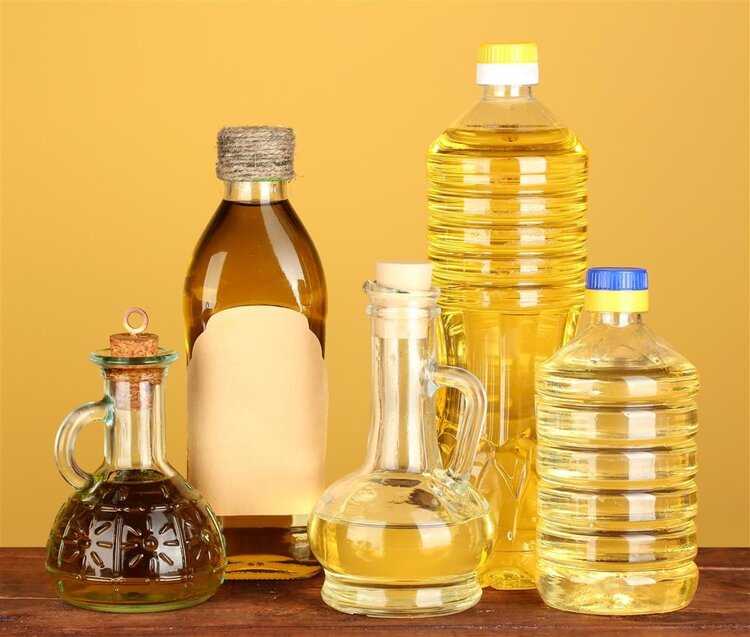
In addition, it's important to use different types of oils in your daily diet, rather than relying on just one type. For example, olive oil and rapeseed oil are high in unsaturated fats, corn oil and sunflower oil are rich in linoleic acid, and peanut oil is rich in zinc. Changing your oil intake can provide your body with a variety of nutrients, which is very beneficial to your health.
Finally, when cooking meat, it is recommended to use vegetable oil as the main cooking oil, while for plant-based foods, lard can be added appropriately to enhance the aroma.
Lard, a common cooking oil in our lives, has been the subject of numerous rumors, both positive and negative. In reality, lard isn't as bad as some claim. While patients with cardiovascular disease should appropriately reduce their lard consumption, for healthy individuals, lard can be a delicious condiment if consumed in a healthy way.
Do not believe the rumors about lard detoxifying, curing diseases, and preventing cancer. These are exaggerated claims about the effects of lard, which do not have such miraculous properties.