
A study published in the British Journal of Cancer, through in vitro and in vivo experiments on mouse models, found that heat stimulation above 54°C poses a carcinogenic risk to the esophagus.
The International Agency for Research on Cancer has long classified hot beverages above 65°C as "carcinogenic ," warning of the cancer risk associated with consuming such drinks. New research reminds us that eating hot food is indeed a high-risk habit!

Besides eating it while it's hot, these factors increase the risk of esophageal cancer:
Smoking: A paper published in the British journal Nature points out that smoking can cause mutations in normal esophageal cells, increasing the incidence of esophageal squamous cell carcinoma by 3 to 8 times.
Alcohol consumption: Long-term heavy drinking, especially of strong liquor, is a risk factor for esophageal cancer. In particular, heavy drinking can increase the incidence of esophageal cancer by 7 to 50 times.

Obesity: Obese people are twice as likely to develop esophageal cancer as people of normal weight. Obesity can cause the release of large amounts of estrogen, increasing the likelihood of cancer cell mutations.
Many families keep pickled foods on hand, such as salted fish, cured meat, and sauerkraut. However, these pickled foods contain high levels of nitrites, which are carcinogenic and can increase the risk of esophageal cancer.
A preference for rough foods : If food is too hard or not chewed thoroughly, the process of swallowing can easily damage the food lining. Over time, this dietary habit can lead to repeated repair of the lining, which may result in precancerous lesions of the esophagus.

Six unusual signs that could be warning signs of cancer.
Early-stage esophageal cancer has excellent postoperative outcomes; however, early-stage esophageal cancer often presents with no typical symptoms, resembling symptoms of "internal heat" or a cold, and is frequently overlooked. Therefore, high-risk individuals should pay attention if they experience these symptoms:
Choking sensation : The first bite of food feels like it's stuck in your throat, and after a while, this choking sensation will dissipate on its own, but it will reappear every time you eat.
Foreign body sensation in the throat: discomfort when swallowing or a constant feeling of phlegm in the throat that cannot be swallowed or coughed up.
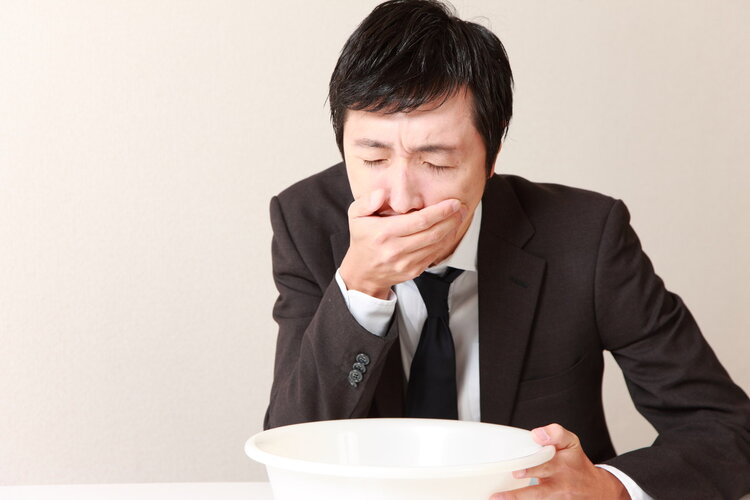
Chest discomfort : A feeling of tightness or mild pain behind the sternum, which comes and goes, and is more likely to occur when eating hot food.
Dysphagia : As the condition progresses, patients will experience dysphagia. Initially, it is difficult to swallow hard foods, and later it is difficult to swallow semi-pure foods.
Obstruction: Due to the infiltration and inflammatory response of esophageal cancer, the salivary glands and esophageal glands will secrete more, and the mucus will accumulate in the esophagus, which can lead to reflux, vomiting or even choking. In severe cases, it may cause complete obstruction when eating.
Weight loss and fever: When patients have difficulty eating or even experience pain, their appetite decreases, food intake reduces, and nutritional status deteriorates, leading to weight loss. As the tumor spreads, recurrent fever may also occur.
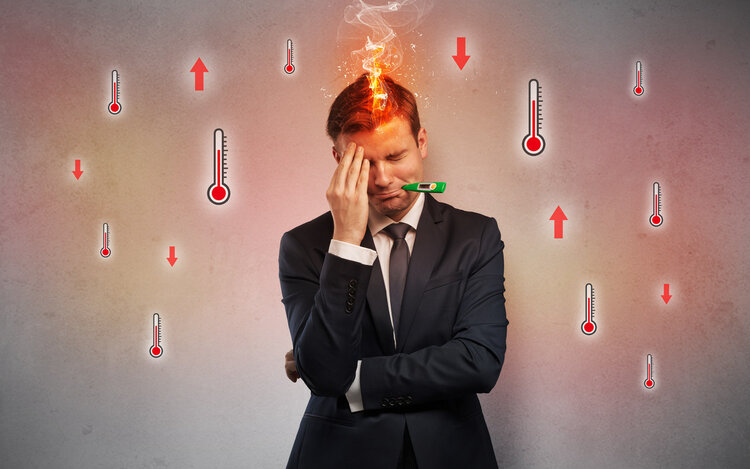
How to avoid esophageal cancer? The key is to control what you eat.
The occurrence of esophageal cancer is closely related to living environment and dietary habits. The key to preventing esophageal cancer is to change unhealthy eating habits:
1. Avoid eating very hot food.
The esophageal mucosa has very low heat resistance. Eating food while it's hot can easily burn the esophagus, leading to recurrent inflammation. Therefore, it's best to let food cool down slightly before eating.
2. Chew slowly and thoroughly
Eating too quickly can increase the digestive burden on the stomach and intestines, and large pieces of food can also rub against the esophagus, potentially causing damage to the esophageal mucosa. It is recommended that each meal last 20-30 minutes.

3. Eat fresh food
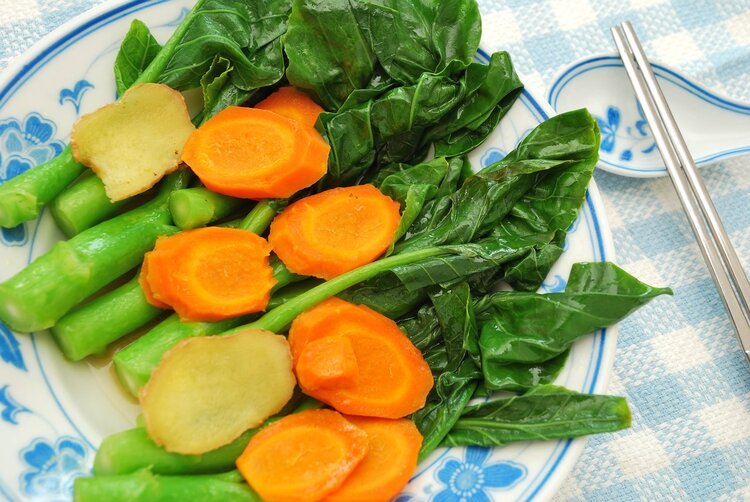
Try to avoid pickled, smoked, spicy, and moldy foods, and reduce your intake of stimulants such as strong tea, coffee, and spirits. Pay attention to a balanced diet, ensuring a variety of foods and eating plenty of fresh fruits and vegetables. Epidemiological studies show that eating more leafy green vegetables can reduce the risk of various cancers, including esophageal cancer.
Consuming excessively hot foods is a significant contributing factor to esophageal cancer; high-risk groups in high-incidence areas should raise their awareness of cancer prevention. Endoscopic examination is one of the primary screening methods for esophageal cancer.
Early detection and treatment can significantly reduce the incidence and mortality of esophageal cancer.