Dietary supplements not only allow people to enjoy delicious food, but also benefit their health and help prevent and treat diseases. Many foods in daily life have high medicinal value. However, it is important to note that each food has its contraindications and indications, and dietary supplementation should be tailored to the individual.
When supplementing one's diet with nutrients, it's crucial not to overlook individual physiological differences and the varying needs and adaptability of different individuals. For example, garlic is rich in allicin, which can break down into various organosulfur compounds in the body. These compounds can lower blood lipids and prevent thrombosis. However, when discussing the benefits of garlic, people often overlook the fact that some people can eat garlic, while others should avoid it, and some should not eat it at all. Garlic is pungent and warm in nature; "those with heat in the lungs and stomach, fire in the liver and kidneys, or weak qi and blood should absolutely avoid it." Clearly, garlic is not suitable for everyone, especially not for everyone to consume in large quantities or for extended periods.
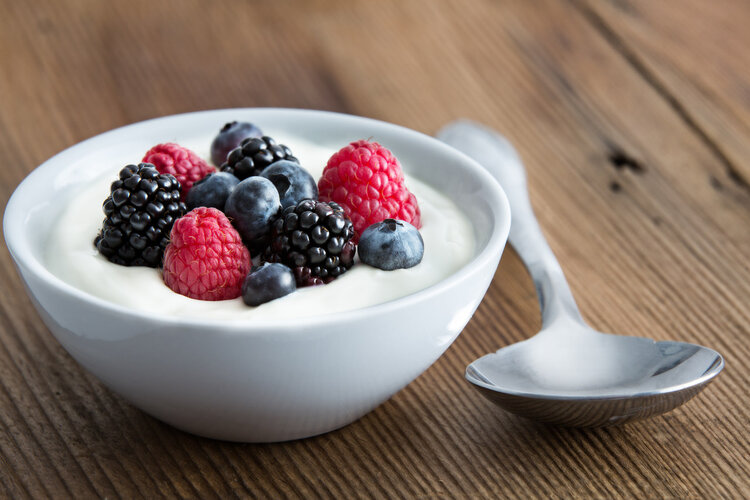
Take milk, for example. Nutritionists now recommend drinking milk. Milk is indeed a good thing, but it's not suitable for everyone. Some people experience abdominal discomfort or diarrhea after drinking milk.
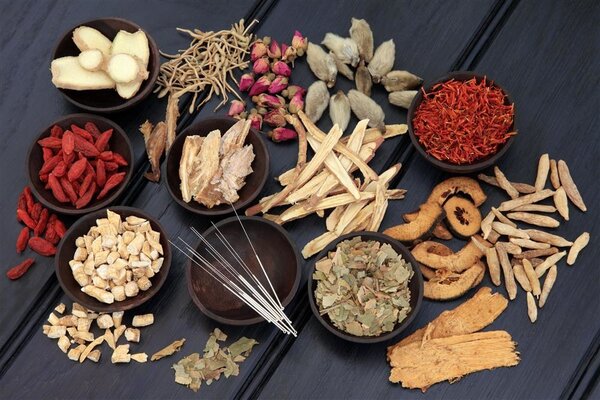
The most distinctive feature of Traditional Chinese Medicine's (TCM) understanding of food lies in its understanding of its properties, such as ascending and descending, floating and sinking, four natures and five flavors, and tonifying and purging effects on meridians. These understandings stem from long-term practical experience. Modern nutrition science describes the presence of certain substances in a food, but often fails to mention or cannot yet discuss other substances present within it. While TCM may not specify the presence of particular substances, it describes the body's overall response to food consumption. Therefore, TCM's understanding of food should be an important supplement to modern nutrition science.
Therefore, it's essential to understand your own constitution when supplementing your diet. Constitution refers to the relatively stable, inherent characteristics of the human body in terms of function and form, based on both heredity and acquired factors. Differences in constitution are objectively real and a universal phenomenon. The most telling example of these differences is the reaction to alcohol; some people can drink a lot without getting drunk, while others get intoxicated after just a little or even from the smell of alcohol. Constitutions can be classified according to a person's morphology, function, or metabolic characteristics. Under certain conditions, constitution can be changed, such as by systematically altering dietary habits, dietary composition, and living conditions to improve one's constitution. If you are unsure of your constitution, it's best to consult an experienced Traditional Chinese Medicine (TCM) practitioner for a diagnosis and to choose appropriate dietary therapy.
It is clear that dietary supplements should be tailored to the individual.