The World Cancer Research Fund has clearly stated that one-third of cancer deaths each year are related to poor dietary habits, leading to more than 30 types of cancer.
For example, frequently drinking alcoholic beverages can easily induce cancers such as oral cancer, pharyngeal cancer, esophageal cancer, and colorectal cancer. Red meat and processed meat products are among the causes of colorectal cancer; eating red meat once a week increases the risk of colorectal cancer by 90% compared to not eating it at all…
To prevent cancer, the first step is to "control your diet." Similarly, to avoid cancer metastasis and recurrence and to speed up recovery, cancer patients should pay more attention to dietary regulation.
Can cancer patients eat "heat-inducing" foods?
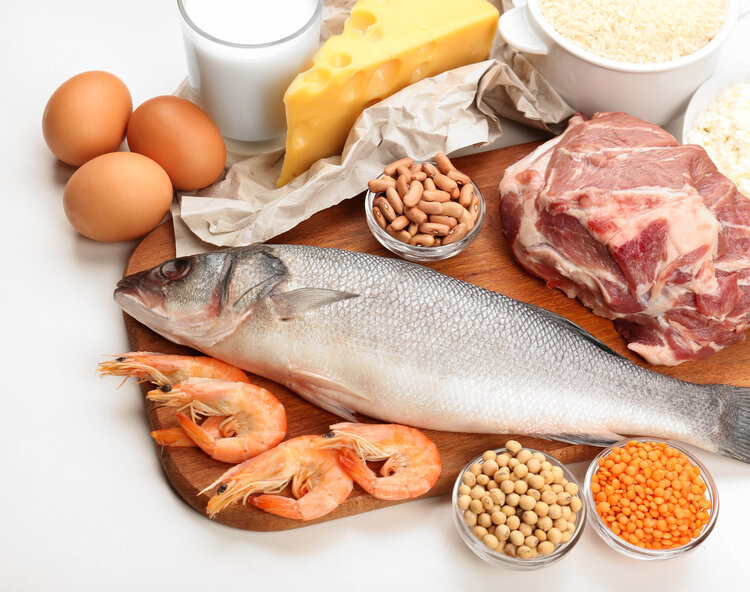
The term "trigger" can be understood as "inducing, triggering, or aggravating." "Trigger foods," as the name suggests, are foods that are stimulating and easily induce or aggravate certain diseases. They generally refer to spicy, hot, raw, cold, or rich and greasy foods, including many varieties such as shrimp, mutton, coriander, mango, lychee, ribbonfish, carp, clams, and crab. Whether or not one should avoid trigger foods depends on the individual, the illness, and the treatment method.
It varies from person to person: those with phlegm-dampness constitution should avoid rich, greasy, and fatty foods to prevent them from generating more phlegm; those with deficiency-cold constitution should avoid raw and cold foods; and those with deficiency-heat constitution should avoid spicy and warm foods.
Depending on the illness: those with illness in the upper part of the body should avoid spicy and warming foods, because the upper part of the body is in a yang position, and warming foods can easily cause internal heat, such as head and neck tumors, lung cancer, etc.; those with illness in the lower abdomen are in a yin position, so they should eat less raw, cold and greasy foods.
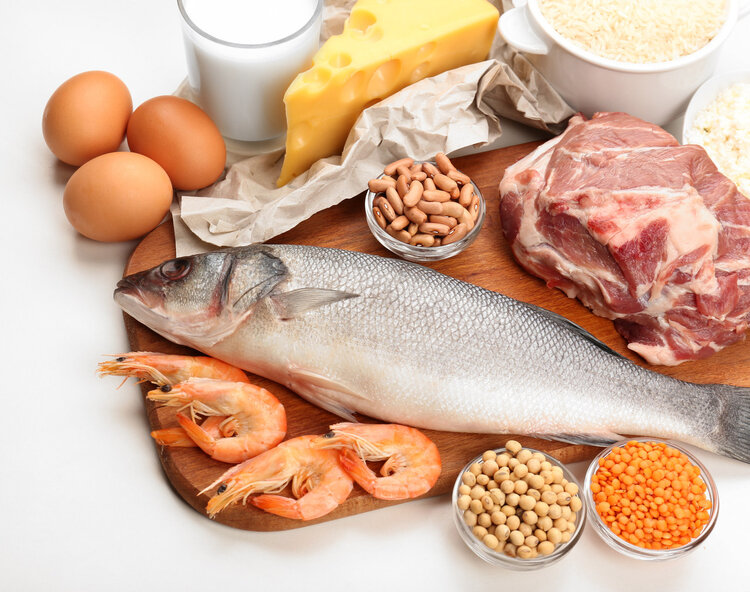
The specific approach varies depending on the treatment method. Radiotherapy is considered to be a "heat-toxin" treatment, so spicy foods should be avoided during radiotherapy. Chemotherapy can easily damage the spleen and stomach, so raw and cold foods should be avoided during chemotherapy. Post-operative patients are generally deficient in qi and blood, so they should avoid smoking, alcohol, fishy and dry foods, and raw and cold foods. If targeted therapy is used, seafood should be avoided, otherwise it can easily cause itching and diarrhea. Radishes should be avoided when taking traditional Chinese medicine.
Therefore, the popular saying that "cancer patients cannot eat foods that trigger allergies" is unscientific.
Cancer patients should follow the "4 things to eat and 4 things to avoid" principle in their diet.
As the saying goes, treatment is only 30% of the solution and care is 70%. A reasonable diet and nutrition are very important for cancer patients. Cancer patients should follow the "4 eats and 4 don't eats" principle in their diet.
4 Foods to Eat: Fresh fruits and vegetables, soy products, mushrooms, and green tea
1. Fresh fruits and vegetables contain a variety of nutrients, such as vitamins B, C, and D, lycopene, and lutein. They are relatively low in calories, which helps control weight, improve immunity, and reduce the risk of chronic diseases.
2. Soy products such as tofu, soy milk, tofu skin, tofu pudding, fermented bean curd, and fermented black beans are rich in protein, fiber, unsaturated fats, and isoflavones, which help reduce the incidence of cardiovascular disease and play an anti-cancer role. However, they should not be consumed in excess to avoid increasing the burden on the liver and kidneys.
3. Fungi are highly nutritious, containing abundant protein, carbohydrates, vitamins, trace elements, and minerals. Consuming more fungi can boost the body's immunity. For example, mushrooms contain a substance that inhibits tumor growth and has a significant anti-cancer effect, especially beneficial for patients with lung cancer and skin cancer. Enoki mushrooms can inhibit the growth of cancer cells and can be used to treat various early and mid-stage cancers.
4. Among all types of tea, green tea has the highest content of tea polyphenols. Studies have shown that green tea contains a polyphenol called EGCG, which can damage the mitochondria in cancer cells, triggering a chain reaction that causes cancer cells to die, while also enhancing the self-protection ability of healthy cells.

4 things to avoid: processed meat products, spicy/greasy/excessively hot foods, folk remedies, and tobacco and alcohol.
1. Processed meat products
Processed meats such as sausages, ham, and bacon, made from red meat with added nitrites or nitrates, are generally classified as processed meat products and have been classified as "Group 1 carcinogens" by the World Health Organization. Experts have determined that consuming 50g of processed meat daily increases the risk of colorectal cancer by 18%.
2. Spicy/greasy/excessively hot foods
Consuming excessively hot, fried, or spicy foods are all factors that significantly increase the risk of esophageal, stomach, and colorectal cancers. For example, fried foods contain polycyclic aromatic hydrocarbons (PAHs), which are carcinogenic and increase the risk of cancer; eating excessively hot foods can burn the gastric mucosa, causing lesions in the mucosal tissue.
3. Folk remedies
Many folk remedies, traditional prescriptions, and empirical formulas for treating cancer circulate widely, but these only offer isolated cases of effectiveness and lack universal applicability, thus lacking scientific credibility. Cancer patients, in particular, should not place excessive faith in folk remedies or reject scientific treatment methods, as this could delay their diagnosis and treatment.
4. Tobacco and alcohol
Tobacco smoke contains over 7,000 chemical substances, most of which are carcinogens. Smoking can cause postoperative pain and stress responses in patients, significantly increase pulmonary, cardiovascular, and wound-related complications, and also increase anesthesia-related complications. Alcohol contains ethanol, which is metabolized into acetaldehyde by the body. Acetaldehyde can directly damage the DNA structure of human cells, inducing gene mutations, and increasing the risk of healthy cells becoming cancerous. Drinking alcohol can also cause abnormal stem cells, decreased hematopoietic function, and impaired immune cell function, which is detrimental to patient recovery and increases the risk of cancer recurrence.

Research by experts from the World Health Organization suggests that a reasonable and balanced diet can prevent 30%-40% of cancers. A good lifestyle and healthy eating habits often yield twice the results with half the effort, and are more effective in preventing cancer than taking medication haphazardly.