Laurie is a woman who loves beauty. When she was young, she had a head of jet-black and shiny hair. However, with the pressure of work and life, Laurie found that she was slowly getting some gray hair, and her hair was not as smooth and shiny as before.
So she searched online for a lot of information and found that many people said that eating black sesame seeds could make hair black. So she ate black sesame seeds in different ways every day, such as black sesame paste, black sesame balls, and even couldn't resist adding some black sesame seeds to her cooking.
I ate it for several months, but my hair didn't turn black . Could it be that the claim online that eating black sesame seeds can turn hair black is false?
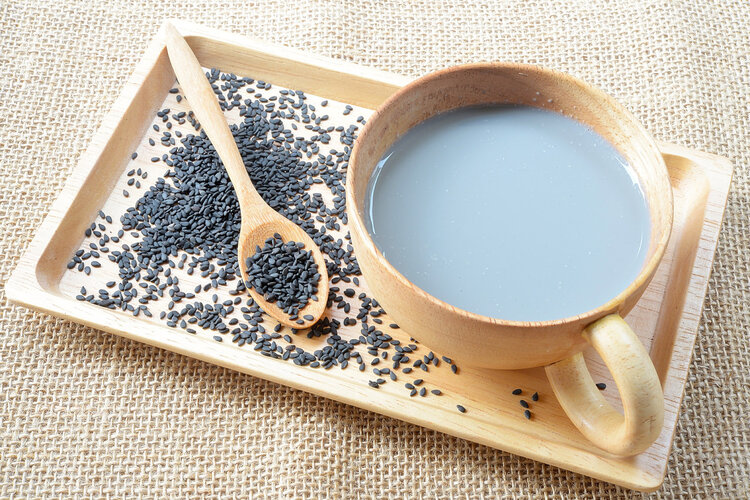
Although black sesame seeds are rich in nutrients that can nourish hair and are beneficial to hair health, it does not mean that eating black sesame seeds will necessarily make your hair black.
Experts believe that our hair will gradually turn gray as we age, and many factors can affect hair health, such as excessive stress, nutritional deficiencies, improper care, and genetics. Therefore, to maintain healthy, black hair, it is also necessary to maintain a good lifestyle and use hair care products correctly.
When it comes to dietary methods to maintain healthy hair, many people first think of black sesame seeds, black beans, and black rice. So, what are the benefits of these three common foods in our lives?
What are the benefits of black sesame seeds?
Records of black sesame seeds can be found as early as in the medical book "Shennong's Classic of Materia Medica," where they are listed as a superior herb. Black sesame seeds are sweet in taste and neutral in nature, and have the effects of nourishing the liver and kidneys, nourishing blood, beautifying the skin, benefiting the brain and replenishing marrow, prolonging life, and moisturizing the intestines to relieve constipation.
Modern research has found that black sesame seeds are also rich in vitamin E and oils, which have excellent antioxidant capabilities and can moisturize the skin, making them an excellent product for nourishing and maintaining youthful appearance.
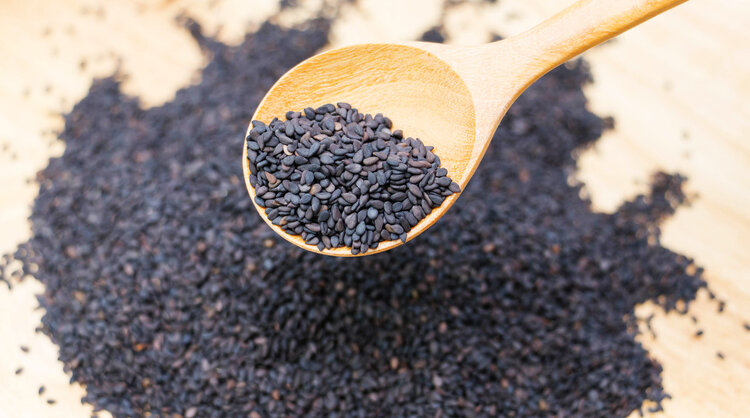
Black sesame seeds contain about 53% oil, of which more than 85% is linoleic acid and oleic acid. They also contain about 20% protein, as well as various vitamins, lignin, minerals and other trace elements. Therefore, many people call black sesame seeds a source of nutrition for maintaining youth.
The study also found that black sesame seeds are very rich in calcium, and under the same weight conditions, the protein content of black sesame seeds is six times that of milk .
There are three things to keep in mind when consuming black sesame seeds:
Do not consume excessive amounts: a small handful a day is sufficient, as black sesame seeds contain a lot of fat and are therefore high in calories. Generally speaking, a small handful (less than 10g) a day is enough .
It's best to roast and grind black sesame seeds before eating them: Raw black sesame seeds are not easily digested and absorbed by the body, and the outer skin of black sesame seeds has a relatively hard membrane, which can easily cause indigestion. Therefore, it is best to roast and grind them before eating them. For example, black sesame paste is a good choice.
Although black sesame seeds are good, they are not suitable for everyone. For example, people with colds, fever, or internal heat should not eat black sesame seeds because they are warm in nature and can easily aggravate the symptoms of colds and fever.
What are the nutritional benefits of black beans?
Black beans are a common food for nourishing the kidneys. In traditional Chinese medicine, beans are considered the grain of the kidneys, and black is associated with water, which in turn nourishes the kidneys. Therefore, black beans have the effect of nourishing the kidneys .
In addition, black beans are rich in vitamins, especially B vitamins and vitamin E. Their vitamin E content is 5 to 7 times higher than that of meat . Ancient pharmacopoeias also record that black beans have the effects of improving eyesight, maintaining youthful appearance, and beautifying the skin.
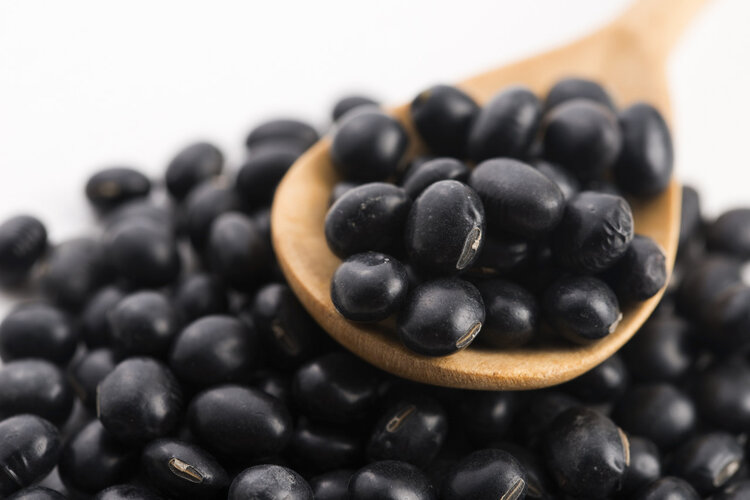
In addition, black beans contain 4% crude fiber , and eating them regularly can promote digestion and prevent constipation; black beans also contain up to 35% protein , making them a good substitute for meat.
A Japanese study also found that black beans can help "rejuvenate" blood vessels. Fujicco, a Japanese company, has been dedicated to researching the polyphenols contained in black bean skins and has conducted many related studies. They have found that black bean polyphenols have the effects of improving symptoms of cold body, improving vascular cell function, and reducing edema.
We all know that as we age, blood vessels are prone to problems, such as hardening of the arteries. However, research has found that extracts from the seed coat of black soybeans can improve vascular function, improve vascular age, and have a health-preserving effect on blood vessels.
Black beans can be prepared in various ways. Besides boiling, they can also be made into soy milk , which is convenient, quick, and easily absorbed by the body. However, people with gout should be careful not to eat too many black beans .
What are the health benefits of eating black rice?
Black rice is rich in nutrients, containing fat, protein, phosphorus, zinc, B vitamins, iron, calcium and other substances. It can effectively increase the level of hemoglobin and blood pigment in the human body, help maintain the cardiovascular system, and benefit the brain and bone development of children.
In addition, it can promote the recovery of postpartum women and patients with weak constitutions . It has both nutritional and medicinal value, so black rice is also known by many people as "postpartum rice" and "medicinal rice", making it an ideal health food.
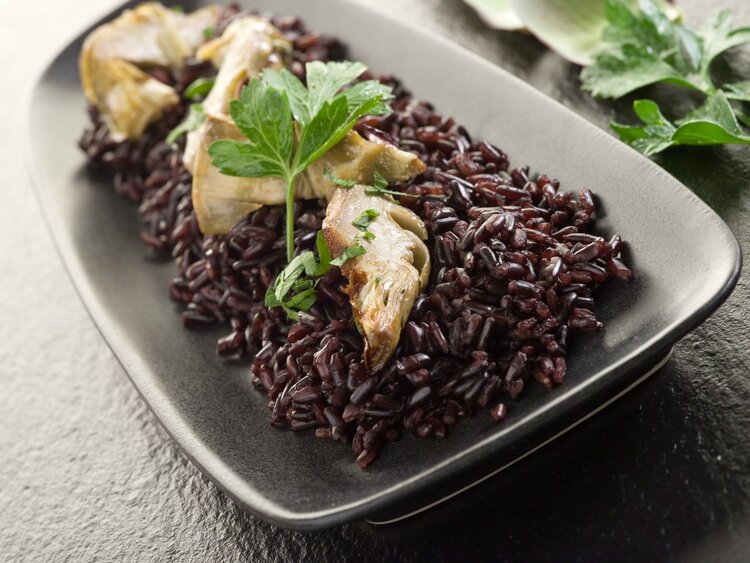
Black rice also contains a high concentration of anthocyanins, an antioxidant , so black rice has anti-aging effects. Anthocyanins can also reduce the concentration of bad cholesterol in the blood and effectively prevent heart disease.
Black rice is high in dietary fiber , which aids digestion and bowel movements, helping to prevent constipation. It can be cooked in porridge or rice, or made into black rice balls. Eating it twice a week can help reduce the risk of cardiovascular disease.
However, it's worth noting that black rice has a relatively tough outer skin. If it's not cooked thoroughly, it's difficult for digestive enzymes and stomach acid to break it down, making it hard for the body to digest and absorb , and potentially leading to indigestion. Therefore, people with poor digestion should avoid eating black rice frequently .
Black sesame seeds, black beans, and black rice are all nutritious foods, and we can choose to eat them according to our own needs.