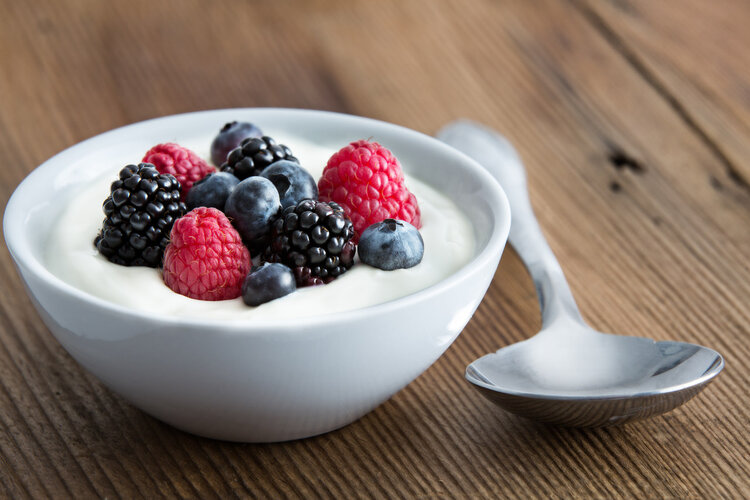
The effects of anthocyanins on the eyes
The eyes are the windows to the soul, and protecting them is crucial. I personally regret becoming nearsighted. Let me tell you about the effects of anthocyanins on the eyes.
Anthocyanins can promote the production of rhodopsin in the eyes, stabilize the microvessels in the eyes, and enhance microvascular circulation. In addition, anthocyanins are powerful antioxidants that can reduce free radical damage to the eyes and help prevent cataracts.
Foods rich in anthocyanins include blueberries, blackberries, cherries, eggplants, pomegranates, and purple rice. Freeze-dried anthocyanins are anthocyanin powders made from nine berries—blueberries, blackberries, black goji berries, blackcurrants, red goji berries, cranberries, mulberries, honeysuckle berries, and red raspberries—using low-temperature freeze-drying technology and cell-wall breaking pulverization and fermentation. They possess strong antioxidant capabilities and offer eye protection.
Which is better for the eyes: lutein or anthocyanins?
Both ingredients play an irreplaceable role in protecting the eyes.
Lutein and blueberry anthocyanins are currently the only visual nutrients discovered by the medical community that can directly reach the retina of the eye. Lutein increases macular pigment density, protects against blue light damage, nourishes photoreceptor cells, and promotes rhodopsin production. Blueberry anthocyanins, on the other hand, have strong antioxidant properties and scavenge free radicals. Both components have irreplaceable effects on the eyes. For nearsighted individuals, currently only lutein-based products offer the best eye protection and health care.
The effects of lutein on the eyes
1. Protect your eyes from light damage, slow down eye aging, and prevent disease: Ultraviolet and blue light from sunlight entering the eyes produce a large number of free radicals, leading to cataracts, macular degeneration, and even cancer. Ultraviolet light can generally be filtered out by the cornea and lens, but blue light can penetrate the eyeball and reach the retina and macula. Lutein in the macula can filter out blue light, preventing damage to the eyes.
2. Protects eyesight: As an antioxidant and photoprotective agent, lutein can promote the regeneration of rhodopsin in retinal cells, which can prevent severe myopia and retinal detachment, and improve and protect eyesight.
3. Relieve eye strain: Lutein can relieve symptoms of eye strain, such as blurred vision, dry eyes, eye swelling, eye pain, and photophobia.
3. Lutein cannot be synthesized by the human body and must be obtained from food or nutritional supplements. Lutein is found in dark green vegetables and yellow foods, so you can consider eating more corn, spinach, cabbage, and pumpkin. However, considering absorption, nutritional supplements are more appropriate. Supplements like those from reputable manufacturers like By-Health, such as those containing bilberry lutein, are suitable. Therefore, appropriate lutein supplementation is beneficial for eye health.
7 Foods Where Anthocyanins Best Protect Your Eyes
1. Blueberries are rich in vitamins, amino acids, and minerals, and they can improve blood circulation in the eyes and maintain normal intraocular pressure. The anthocyanins in blueberries are also very beneficial for the eyes; eating more blueberries can relieve eye fatigue for office workers and students.
2. Black goji berries can eliminate free radicals and have a strong antioxidant capacity, thus protecting cells. The pectin in black goji berries can increase skin elasticity, so eating them as a snack can both beautify the skin and protect the eyes.
3. Freeze-dried anthocyanins contain abundant proanthocyanidins (OPC), superoxide dismutase (SOD), and other components. They are made from blueberries, blackberries, black goji berries, blackcurrants, red goji berries, cranberries, mulberries, honeysuckle berries, and red raspberries, all high in anthocyanins. Through low-temperature beneficial bacteria fermentation, ultra-low temperature freeze-drying (FD) technology, and low-temperature ultra-fine pulverization technology, they can be directly absorbed by the human intestines and rapidly absorbed by the body.
4. Red goji berries can reduce UV radiation and protect the optic nerve from damage. The best and simplest way to maximize their eye-protecting effects is to wash them and chew them directly. Generally, 20 grams per day is optimal.
5. Apples are also known as the "eye-brightening fruit" because they contain vitamin A and the trace element selenium. According to scientific research, a normal retina contains 7 micrograms of selenium, while an eagle's eye contains 100 times more selenium, indicating a link between sharp vision and selenium content. People with poor eyesight who cannot see clearly in dim light also suffer from a lack of vitamin A, leading to reduced rhodopsin synthesis.
6. Kiwifruit is known as the "King of Vitamin C." Vitamin C can reduce the irritation of the eyes caused by light and air, and prevent cataracts. People who use computers for long periods of time should eat more kiwifruit.
7. In addition to iodine, kelp also contains mannitol. The thick white frost on the surface of dried kelp is mannitol. Mannitol has a diuretic effect and can reduce intraocular pressure, making it effective in treating acute glaucoma.