
The increasing prevalence of uremia is largely due to these four reasons.
In recent years, the incidence of uremia has been increasing, and the affected population is showing a trend towards younger ages. Data shows that the incidence of chronic kidney disease is approximately 10% .
Why is the incidence of uremia increasing? The main reasons are as follows:
1. Frequently holding in urine
Holding in urine can become a habit, especially when busy with other things and don't have time to go to the toilet, or when there's no restroom available. However, frequently holding in urine not only causes the bladder to over-distension but also damages the kidneys, leading to kidney inflammation, impairing kidney function, and potentially causing uremia.
2. Insufficient water intake
A normal adult needs to ingest at least 2000ml of water daily and also excrete about 2000ml of urine. Urine is formed after the kidneys filter the blood and collect excess water and metabolic waste.
If you don't drink enough water , your body will be dehydrated, which will increase the toxins in your kidneys, constantly stimulating kidney cells and causing nephritis, kidney stones, kidney failure , and ultimately uremia.
3. Improper diet
This includes excessive intake of fats and sugars , excessive salt , and excessive purines . Excessive intake of fats and sugars not only easily leads to weight gain but also increases blood lipid viscosity, raises blood sugar levels, and increases the metabolic burden on the kidneys .
Eating too much salt increases sodium levels in the body, disrupting the acid-base balance and damaging the kidneys . Excessive purine intake raises uric acid levels , causing atrophy and degeneration of the renal arteries and impairing kidney function.
4. Drug abuse
After drugs enter the body, they must be metabolized by the kidneys. If health products or drugs are abused, it will not only increase the metabolic burden on the kidneys, but also further damage kidney cells and accelerate the progression of uremia.
Five abnormalities will occur in the body after uremia "arrives".
Kidney disease can be insidious, often presenting with no obvious symptoms in its early stages. Many people only discover they are unwell after the optimal window for treatment has passed. Therefore, early detection and treatment are crucial for preventing kidney diseases such as uremia.
Clinically, when uremia occurs, the following physical abnormalities will appear:
One is gastrointestinal discomfort , like Xiao Li in the case, who experienced symptoms such as nausea and vomiting and mistakenly thought it was caused by gastrointestinal discomfort, but it was actually uremia.
When uremia occurs, the body loses its balance of water and electrolytes, resulting in metabolic disorders. This constantly irritates the gastrointestinal mucosa, causing discomfort such as nausea, vomiting, diarrhea, abdominal distension, and fatigue , and may even lead to hypoglycemia or hyperlipidemia.
Secondly, there is cardiovascular discomfort , such as a rapid increase in blood pressure, or a vicious cycle of "increase → decrease → increase" , which may be accompanied by a series of cardiovascular discomfort symptoms such as dizziness, palpitations, and shortness of breath .
In addition, some patients may experience a drop in blood pressure , causing dizziness, palpitations, and fatigue.
Third, there are abnormalities in the neuromuscular system , which manifest as insomnia, decreased attention, poor memory , and in severe cases, slow reaction, numbness in the limbs, hallucinations , etc.
Fourth, bone diseases and abnormal kidney function can lead to a decrease in the body's absorption of calcium, causing renal osteodystrophy, bone pain , and affecting normal activities. In a few cases, spontaneous fractures may also occur.
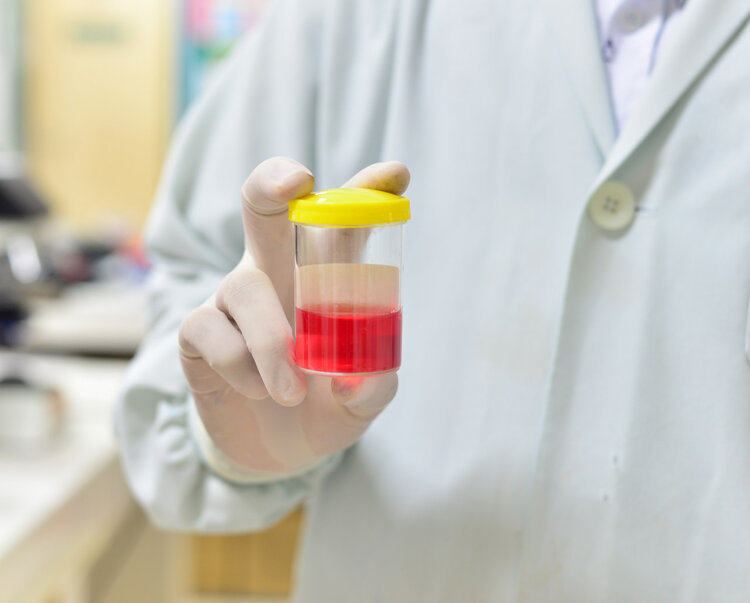
Fifth, abnormal urination is one of the typical symptoms of uremia, manifested as oliguria, anuria, foamy urine, etc., which is related to impaired kidney function and the kidney's inability to excrete water in time.
Avoid these 4 types of food to prevent uremia.
"The kidneys are the foundation of innate essence," so once signs of uremia are detected, it's crucial to seek medical attention promptly and take proactive measures. Special attention should be paid to diet; avoid overindulging in the following types of food, otherwise uremia may develop:
Avoid eating overly salty foods , as this can increase the burden on the kidneys and inhibit the normal excretion of water.
Avoid foods high in crude protein, such as tofu and peanuts , as they contain many impurities that are not conducive to kidney metabolism. Instead, choose lean meat, egg whites, and other refined protein foods.
Star fruit should be eaten in moderation , as it contains neurotoxins, and excessive intake can increase the risk of acute kidney damage.
Foods high in purines should be eaten sparingly, such as animal organs, meat broth, and some seafood . High-purine foods can raise uric acid levels, and excess uric acid will continue to accumulate in the kidneys, which will seriously damage kidney health.
In addition to paying attention to diet and avoiding uremia, it is also important to quit smoking and limit alcohol consumption, avoid staying up late, drink less sugary drinks, drink more water, avoid holding urine, avoid drug abuse, maintain a good mood, and exercise appropriately.
Whether it's uremia or other kidney diseases, the damage to health is irreversible. Therefore, in our daily lives, we must take preventative measures in all aspects to protect our kidneys.