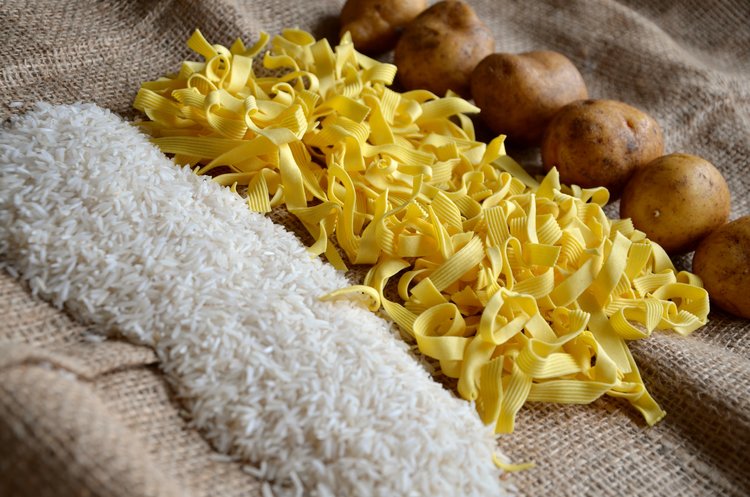
The 51-year-old woman has been refusing to eat lately, and her family is extremely worried.
I asked her and found out that she had heard somewhere that eating less staple food, cutting out sugar, and losing weight could prevent diabetes , so she started cutting out sugar and carbohydrates. After two weeks, her weight did indeed drop.
Her family was worried that she wouldn't be able to handle such a lot of stress at her age, but she said, "You can't eat too much staple food anyway, or you'll die quickly!"
However, after only a few months, the aunt's body began to show a series of abnormalities. She often felt thirsty, her eyesight deteriorated, and she would feel nauseous from time to time. Only after being persuaded by her family did she agree to go to the hospital for a check-up.
However, the result stunned everyone: her blood sugar level was as high as 21 mmol/L, and she was eventually diagnosed with diabetes.

1. Does eating too much staple food hinder longevity? Don't be misled!
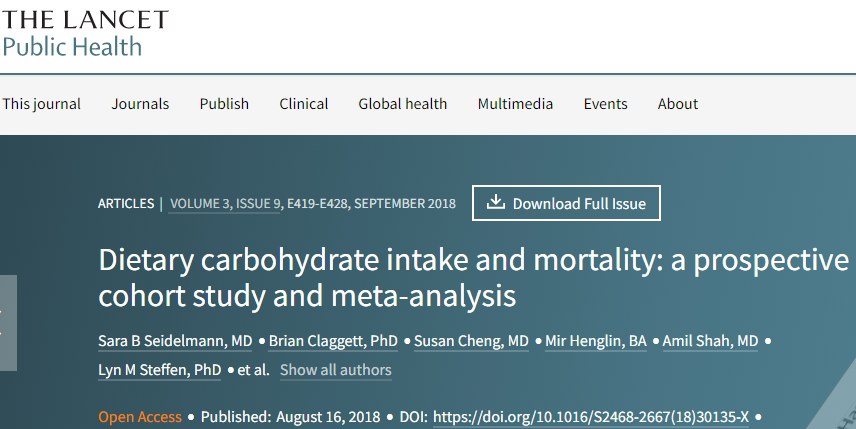
The claim that eating staple foods affects lifespan originated from a dietary study published in The Lancet, which essentially stated that the higher the carbohydrate intake, the higher the overall mortality rate. Therefore, many people mistakenly believe that "eating staple foods leads to a faster death," but this is incorrect.
First, carbohydrates include nutrients such as vitamins and minerals in addition to staple foods; moreover, the study did not specify which type of carbohydrate was being tested, so it cannot be generalized.
In fact, the amount of staple food consumed can affect lifespan, and a study published in The Lancet Public Health has discovered this pattern.
This study observed the participants' staple food intake and compared the relationship between carbohydrate consumption and mortality risk. It found that when the energy ratio of staple food intake was <40% or >70%, the mortality risk increased , and the mortality risk was lowest when the energy ratio of staple food intake was between 50% and 55%.
In general, eating too much or too little staple food can affect lifespan!
In addition, people of different age groups have different requirements for staple foods.
Scholars from the University of Sydney and the University of New South Wales, after comprehensively analyzing data from the Food and Agriculture Organization of the United Nations between 1961 and 2016 and 1,879 mortality data from 103 countries and regions, found that for people under 20 years old, carbohydrate intake accounts for about 42% of their energy. After the age of 20, the proportion of energy from carbohydrate intake gradually increases, and in old age, the proportion of carbohydrate function reaches 67%, with the lowest mortality rate.
The study summarized the energy ratio of staple food (carbohydrate) requirements at different ages, which is one of the effective indicators for predicting mortality.
In other words, middle-aged and elderly people need more carbohydrate intake . It is recommended that their diet adopt a high-carbohydrate, low-fat pattern to help extend their lifespan.

2. The amount of staple food you eat affects your lifespan, so how should you eat it?
There are many different opinions about the relationship between staple foods and lifespan, but one thing is certain: improper staple food intake can affect lifespan. So how should staple foods be eaten?
1. Diversity of staple foods
Many people think that staple foods are just carbohydrates like rice and noodles, but in fact, whole grains, legumes, and tubers also fall into the category of carbohydrates . Moreover, these types of staple foods contain more B vitamins, minerals, and other nutrients. In particular, people with diabetes can avoid their blood sugar from rising too quickly by eating more of these types of staple foods .
2. Control your intake.
Dietary guidelines recommend that carbohydrates account for 50% to 65% of energy intake . However, the intake of staple foods varies with age. Generally, the need for carbohydrate intake gradually increases with age. For example, carbohydrates should account for 50% to 55% of energy intake for people under 20 years old, while this proportion may reach 60% to 65% in later life .

3. Combination of coarse and fine textures
In addition to refined staple foods such as rice and noodles, it is best to have one meal a day consisting of whole grains, legumes, and tubers as the staple food. This combination of refined and whole grains can increase the intake of dietary fiber, vitamins, and minerals .
4. Pay attention to cooking methods
Because many whole grains and mixed grains are high in dietary fiber, if you have a sensitive stomach or are elderly and have poor teeth, it is best to cook them until they are very soft. Choose cooking methods that "refine whole grains" , eat smaller meals more frequently, and avoid over-stimulating the gastrointestinal tract.

3. What happens to people who don't eat staple foods for a long time?
At last year's American College of Cardiology Annual Scientific Session and the World Congress of Cardiology, researchers from St. Paul's Hospital and the University of British Columbia in Canada presented a study on staple food intake and health risks. According to follow-up data, people who eat little or no staple food have twice the risk of developing new cardiovascular disease compared to those on a standard diet . The study also indicated that the ketogenic diet can cause dyslipidemia and increase the risk of cardiovascular disease.
In addition, long-term avoidance of staple foods can lead to the following adverse effects:
1. Muscle loss
Staple foods are the main source of energy. If you don't eat staple foods, the body will continuously obtain the energy it needs from breaking down protein. If you don't supplement with high-quality protein at this time, the insufficient protein content in the body will also aggravate muscle loss.
2. Increased risk of chronic diseases
To replace staple foods, many people choose to increase the proportion of meat in their diet, such as red meat like pork and beef. However, studies indicate that excessive red meat intake may increase saturated fatty acid levels, increase cardiovascular burden, and may also increase the risk of obesity, type 2 diabetes, colorectal cancer, and other diseases .

3. Hair loss
Eating too little staple food and insufficient energy intake can easily lead to malnutrition and other problems. Hair growth requires sufficient nutrition, and essential nutrients such as vitamins and minerals will be excreted by the kidneys due to changes in the energy supply ratio, which can also lead to hair loss.
4. Bad breath and constipation may occur.
In a low-carbohydrate environment, the body fluids may develop an odor due to the incomplete metabolite of fat, acetone, which can smell like fermented fruit or nail polish remover. This is most common in the digestive tract and can easily lead to symptoms such as bad breath, constipation, and abdominal discomfort.
5. Emotional instability
One of the energy sources for brain activity is carbohydrates. In addition, carbohydrate intake can drive the secretion of mood mediators dopamine and serotonin. A deficiency of carbohydrates can lead to mood instability.

Therefore, it is not recommended to avoid staple foods, whether in the long or short term. Furthermore, it is best to follow a balanced diet of refined and whole grains when consuming staple foods. This not only meets the energy requirements but also increases the intake of dietary fiber and B vitamins, helping to control appetite and improve excretory function, which is more beneficial to health.