In an era where thinness is considered beautiful, many people want to be slim but crave food and are too lazy to exercise. As a result, many weight-loss product vendors have seized upon these pain points, using slogans like "Drinking [Brand Name] slimming tea can lubricate the intestines, clear 'accumulated stool,' and easily eliminate oil and lose weight." Is it really that good? No need to avoid certain foods, no need to exercise, just drink some tea and have a bowel movement, and you can easily lose weight?
 .hzh {display: none; }
Is there a connection between constipation and weight loss?
Have you ever heard about impacted feces? It's said to be heavy and toxic. If you're overweight, it's likely due to accumulated feces preventing weight loss and toxin elimination, leading to weight gain and poorer health. My advice is to use a bowel-cleansing tea to cleanse your intestines, promote bowel movements, and achieve both weight loss and detoxification – a win-win situation.
Is impacted feces really that heavy? There are all sorts of claims, the most exaggerated of which is that the impacted feces weigh 12KG, or 24 jin (12 catties). If that were 24 jin, it would feel like it was piling up from the buttocks to the stomach.
How toxic is impacted feces? It is said to be very toxic, but there is no definitive explanation as to how toxic it is or why it is toxic.
I'll ask again, is there really any impacted stool?
It takes a certain amount of time for a normal person to go from eating to defecating, usually 10-30 hours. During this process, food slowly turns into excrement and is eventually excreted by the body. It is impossible for it to accumulate in our intestines on a large scale.
However, when you don't consume enough fruits, vegetables, and water, some food residue may accumulate in the large intestine. This amount is actually very small, negligible, and easily eliminated. As long as you drink enough water and eat plenty of high-fiber foods, such as fruits and vegetables, it can be easily eliminated.
Therefore, under normal circumstances, there is no accumulation of "impacted feces" in the intestines of a healthy person.
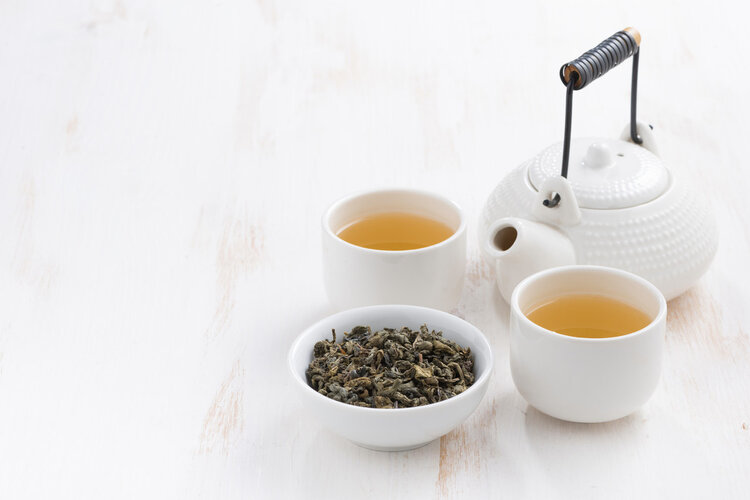
Why is drinking laxative tea effective for constipation?
Before we defecate, everything proceeds in an orderly manner: food is slowly digested, the intestines slowly move, and the stool slowly takes shape.
When you drink the intestinal cleansing tea, your intestines will start working frantically, eager to expel the feces from your body. Why is this?
The laxative tea we drink definitely contains some special ingredients. These special ingredients stimulate the intestines, and the intestines will send a feedback to the brain, which will then command to speed up defecation.
If you look closely at the ingredient list of these weight loss products, you'll find that most of them contain senna leaves. Senna leaves are a type of stimulant laxative that stimulates the gastrointestinal tract by working through the intestinal mucosa and nerves, thereby stimulating intestinal peristalsis. It is considered a potent drug and should be avoided without a doctor's guidance.
After diarrhea, you might see a noticeable weight loss, but this is an illusion. The weight will bounce back immediately after a meal. True weight loss requires reducing body fat, not just short bouts of diarrhea. Furthermore, indiscriminate use of laxatives can lead to drug dependence, worsen constipation, and may even cause melanosis coli, increasing the risk of colon cancer – a truly counterproductive outcome.

How to solve constipation during weight loss?
There are two types of constipation in our daily lives:
1. Constipation caused by disease, such as hemorrhoids or proctitis. In this case, the constipation must be cured by treating the underlying disease.
2. This is functional constipation, which can be relieved through proper gastrointestinal management.
Methods to relieve constipation:
1. Eat more whole grains. Whole grains are low in calories and rich in dietary fiber, which can effectively promote gastrointestinal motility and improve constipation.
Whole grains contain a variety of minerals and vitamins, which can help nourish the stomach and intestines, thus achieving weight loss while maintaining good health.
2. Engage in appropriate physical exercise to enhance the contraction strength of abdominal muscles;
3. Drinking water helps cleanse the intestines and promote bowel movements; hot water and lightly salted water are even more effective.
Patients with high blood pressure and constipation should drink less salt water, as it can cause blood pressure to rise.
A normal person needs 2 liters of water per day (this 2 liters includes the water content of food), and those with constipation can increase this amount appropriately.
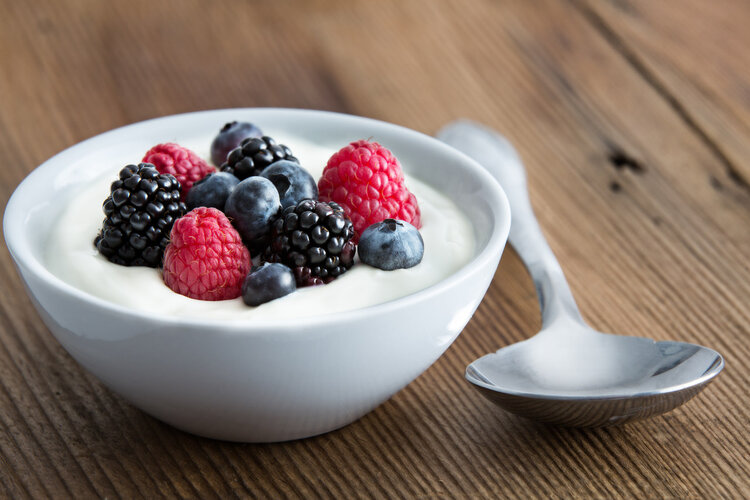
4. Drink yogurt. Yogurt can aid digestion and promote intestinal motility.
Yogurt can make you feel full. Drinking a cup of yogurt before meals can reduce the amount of food you eat at the main meal. In addition, the yogurt is rich in active probiotics and the low-fat varieties are most suitable for promoting gastrointestinal digestion.
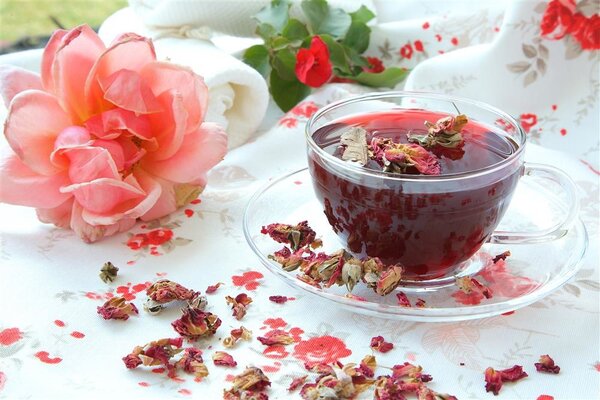
5. Drink rose tea. Roses are rich in vitamins A, C, B, E, and K, as well as tannins, which can improve endocrine disorders and help relieve fatigue and heal wounds.
6. Eating chili peppers: Adding an appropriate amount of chili peppers or chili sauce to dishes can promote gastrointestinal absorption and accelerate the body's metabolism.
7. Perform abdominal massage, paying attention to massaging in the direction of intestinal peristalsis, that is, clockwise, from the lower right abdomen to the lower left abdomen.