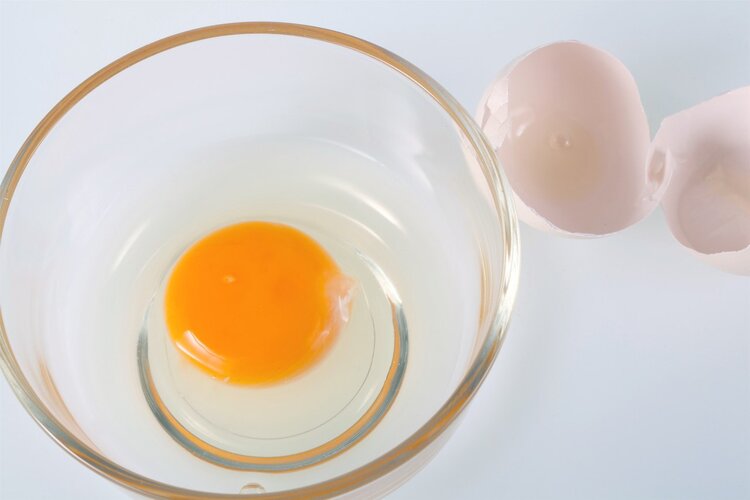
He is 63 years old this year and has had high blood pressure for several years. After being diagnosed with high blood pressure, he paid special attention to the condition and read online that people with high blood pressure should not eat egg yolks, so he has not eaten egg yolks for the past few years.
However, the children in the family didn't understand at all, thinking that a small egg yolk couldn't possibly do anything, and that not eating the yolk was such a waste of food! They argued about it many times, but neither could convince the other, and the matter was eventually left unresolved...
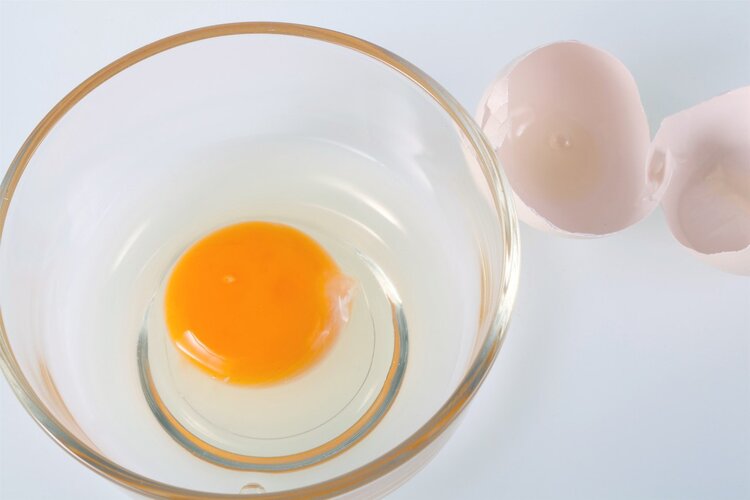
People with high blood pressure should not eat eggs, especially egg yolks?
The hospital director stated, "Patients with high blood pressure can eat eggs, including the yolk." To understand this, we need to know four points:
(1) Overall, dietary cholesterol intake has little effect on the formation of cholesterol in the blood ;
(2) There are two types of body responses to dietary cholesterol. About half of the people will have an increase in blood cholesterol when their dietary cholesterol intake increases, while the other half will have a small impact on blood cholesterol levels when their dietary cholesterol intake increases.
(3) When dietary cholesterol intake reaches a certain level, there is a ceiling effect. When your intake reaches a certain level, such as eating three, four, or five eggs a day, your blood cholesterol will no longer rise .
(4) Saturated fat plays a very important role in the relationship between dietary cholesterol and blood cholesterol. The cholesterol in animal fats consumed daily is dissolved in the oil. These foods are more likely to increase blood cholesterol than dietary cholesterol.
Having understood the above four points, we can conclude that the impact of eating one egg yolk on blood cholesterol is negligible. People with high blood pressure do not need to avoid egg yolks like the plague ; eating them in moderation is perfectly acceptable.
There are many other myths about eggs besides the fact that people with high blood pressure cannot eat egg yolks. Let's take a look.

Does a bluish-green yolk in cooked eggs cause cancer?
This claim has no scientific basis. Egg protein is rich in cysteine, which contains sulfur and produces hydrogen sulfide when heated. Furthermore, egg yolks contain iron, and the hydrogen sulfide reacts with the iron in the yolk to form ferrous sulfide .
The substance is greenish-blue in color, and this reaction will continue as long as the temperature is high. This is why the longer an egg is boiled, the greener the yolk becomes. This is a normal reaction and the egg is safe to eat.
Many people prefer to choose eggs with redder yolks when buying eggs, believing that the redder the yolk, the better the quality. However, the color of an egg yolk is related to the breed, the age of the hen, and the food it eats .
Eggs produced by hens that specialize in laying eggs tend to have lighter-colored yolks; the older the laying hen, the lighter the yolk of its eggs... and so on. All these factors can affect the color of the yolk, so we should not judge the quality of an egg based on the color of the yolk.
Eating eggs in moderation has many benefits.
Eggs are rich in nutrients, including protein, lecithin, and minerals such as iron. Regularly consuming eggs can replenish the body with more nutrients, provide energy, enhance the body's resistance to external diseases, and effectively prevent various illnesses caused by nutrient deficiencies.
To ensure a healthy egg intake, it is recommended to consume no more than 8 eggs per week, or 1-2 eggs per day . Certain groups, such as those with high cholesterol or high blood lipids, should not consume more than 3 eggs per week ; it is suggested to eat one egg every other day, or half an egg per day.

When eating eggs, you should also pay attention to the following:
Eggs should be cooked thoroughly before eating because egg whites contain avidin, which can affect the absorption of biotin in food. Eating raw eggs can easily cause symptoms such as loss of appetite, general weakness, and skin inflammation , which are detrimental to health.
When boiling or frying eggs, pay attention to the cooking time. Generally, boiled eggs should be cooked for five or six minutes after the water boils . Overcooking can cause the protein to coagulate excessively, affecting normal digestion and absorption.
When frying eggs, you should also pay attention to the time. Frying for too long will cause the eggs to become hard and tough, which will affect normal digestion and absorption.
Although eggs are a very common food in our lives, there are many things to know about eating them, and we should be careful to avoid common mistakes when consuming them.