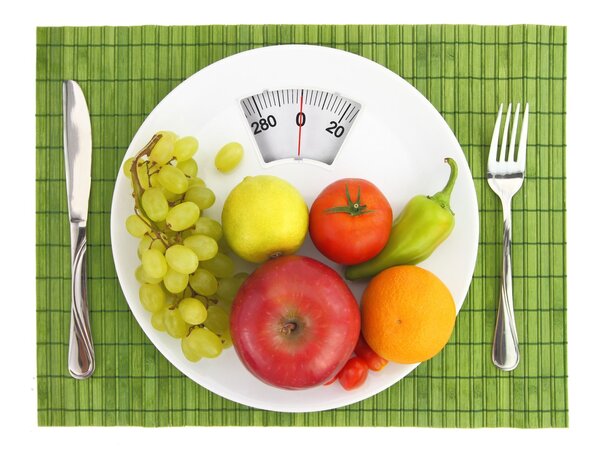
The idea that you should avoid starches when trying to lose weight is incorrect; choosing high-quality starches can actually improve your results. In fact, there are many ways to lose weight without worrying about consuming starches, and these methods can help you lose weight more healthily.
Starch shouldn't be seen as the enemy of weight loss. A truly healthy approach to weight loss isn't about what you eat less of, but about whether your diet is balanced and healthy. So, despite the popularity of diets like the ketogenic diet, which reduces starch intake to extremely low levels, most nutritionists still believe that you shouldn't completely eliminate any food group. When you completely cut out a certain food group, it's difficult to get the necessary amounts of vitamins, minerals, and fiber. Physiologically, the brain naturally prefers carbohydrates as fuel, as do muscles... carbohydrates are the body's primary fuel source.
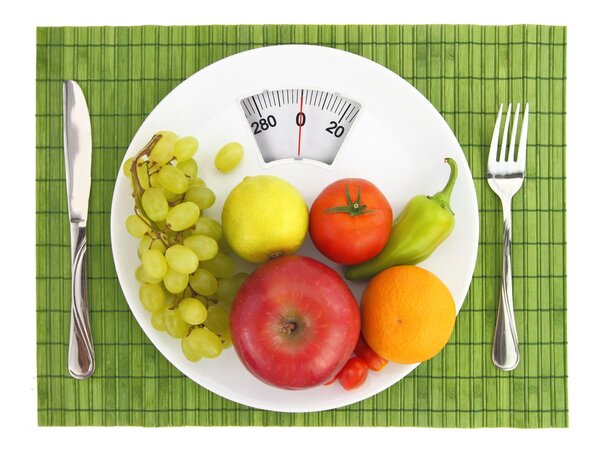
Therefore, even if you are trying to lose weight, you still need to eat starches. The following four diets all include starch intake, allowing you to lose weight healthily without eliminating carbohydrates:
1. Flexible diet
In contrast to the ketogenic diet, which involves consuming more meat, the flexible diet significantly reduces meat intake. In fact, the flexible diet is a combination of the words "flexible" and "vegetarian," and can be understood as a more flexible vegetarian diet.
While a flexible diet is primarily plant-based, it doesn't have very strict rules or restrictions, and small amounts of meat can still be consumed. A diet primarily based on plant sources can reduce the risk of cardiovascular disease and diabetes, but because it doesn't completely eliminate meat...
Flexible diets do not have specific guidelines for starch intake; it varies depending on individual needs. However, nutritionists still recommend limiting refined starches such as cookies and white bread, and instead meeting intake requirements with whole grains or high-starch vegetables such as pumpkin, sweet potato, and corn.
2. Dietary methods to stop high blood pressure
The diet for stopping high blood pressure is designed to control blood pressure. It is low in salt, fat, saturated fat, and cholesterol, and emphasizes high potassium, magnesium, calcium, and dietary fiber. This diet includes fruits, vegetables, grains, nuts, and healthy oils, while meats are mainly white meats such as fish and chicken.
The diet for stopping high blood pressure emphasizes a balanced diet of all types of food, but recommends limiting added sugar intake from food and beverages, such as sugary drinks. It also suggests replacing white rice and white flour with whole grains like brown rice and quinoa.
For example, the DASH diet recommends consuming 6 servings of grains per day, with one serving being about one slice of whole wheat bread or half a cup of cooked brown rice.
3. Mediterranean diet
The Mediterranean diet is considered by many experts to be the best diet. It primarily consists of whole grains and root vegetables, along with plenty of fruits and vegetables. Oily fish such as salmon, tuna, and herring, as well as chicken, serve as protein sources, and olive oil is frequently used in cooking. Red meat and processed foods should be consumed in moderation, ideally no more than once a week, to reduce saturated fatty acids.
In addition, like the flexible diet, the Mediterranean diet is easier to maintain long-term because it has few restrictions. It contains a balanced and diverse diet of foods, which can become a habit over time and further help achieve weight loss goals.
4. Plant-based diet
Slightly different from typical vegetarian diets, plant-based diets, in addition to avoiding eggs, dairy, and meat, only consume unprocessed natural plants, including vegetables, fruits, nuts, and soy protein.
Regarding starches, a plant-based diet excludes refined starches and only includes high-fiber grains such as oats, quinoa, millet, and barley. High fiber helps balance blood sugar, lower cholesterol, and lower blood pressure, further reducing the risk of chronic diseases such as diabetes. In addition, high fiber makes people feel fuller, so it can also aid in weight loss.
Weight loss doesn't require eliminating starches; the key is to carefully choose the types of starches. However, before embarking on any dietary method, always remember to consult a doctor to ensure it's suitable for your health condition before starting.