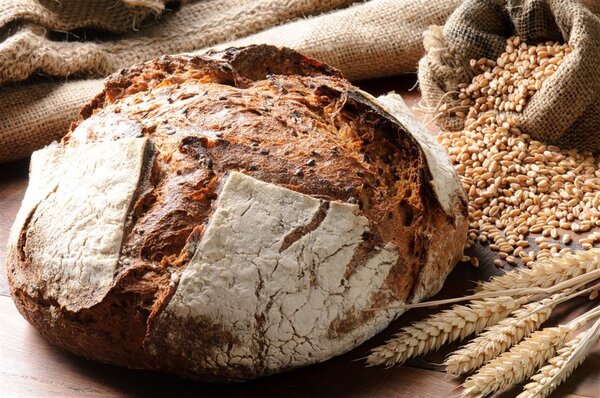
Whole grains are a common part of our daily lives, but many people don't like to eat them. In fact, whole grains offer many health benefits. Let's take a look at the benefits of regularly eating whole grains and how much whole grain is appropriate to eat each day.
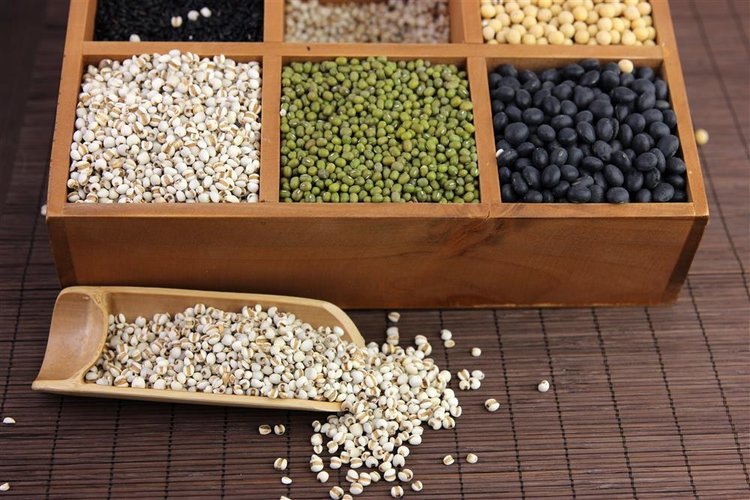
What are the benefits of eating whole grains regularly?
1. High nutritional value
Whole grains are rich in vitamins and minerals, and their nutritional value is far higher than that of refined white rice and refined white flour. Among various staple foods, refined white rice has the lowest vitamin content, followed by refined white flour. This is because grains have a unique characteristic: their vitamins and minerals are concentrated in the outer "coarse" part, while the fine white part in the middle has very low content.
Brown rice, after being refined into white rice, becomes softer and whiter, but its B vitamin content is reduced to only one-quarter of its original value. Whole grains are considered "coarse" because they haven't undergone refined processing, thus retaining very few of their natural nutrients. This is especially important for rapidly growing children, who are more sensitive to nutritional needs than adults. Sufficient B vitamins are crucial for both cognitive and physical development.

Second: Promotes intestinal peristalsis and prevents constipation.
Whole grains are rich in dietary fiber, which helps with bowel movements, eliminates toxins, and prevents constipation. Everyone knows the importance of fiber and understands that eating more fruits and vegetables can certainly supplement dietary fiber, but we often forget that whole grains are an important source of dietary fiber. In fact, the insoluble fiber in whole grains is most helpful in promoting bowel movements and can combine with various pollutants in food, carrying them out of the body and cleaning the intestines thoroughly.
Three: Protect your teeth
Whole grains require more chewing, which is beneficial for protecting teeth. Dental experts believe that teeth also follow the principle of "use it or lose it." Frequent chewing promotes strong teeth; if you always eat soft, refined foods that never require chewing, the quality of your permanent teeth will be affected. Eating more coarse, soft whole grains and legumes is a great opportunity to exercise your teeth.

Four: Weight Loss
Just like corn, which contains a large amount of magnesium, magnesium can strengthen intestinal peristalsis and promote the excretion of waste products, making it very beneficial for weight loss. The corn silk, the tassel of mature corn, has a diuretic effect, which is also helpful for weight loss. We can boil corn into soup and drink it like tea, or make corn cakes, corn pancakes, etc. Popped corn has a large volume, which can eliminate hunger after eating, but it contains very few calories, making it a healthy food for weight loss.
How much whole grain should you eat each day?
Eating 10-30 grams of whole grains daily is appropriate, as this amount of fiber can meet the daily requirement for a healthy adult. However, it's difficult to meet this requirement by only eating whole grains, given the limited food intake. Therefore, it's beneficial to include some fresh fruits and vegetables in your whole grain diet to effectively supplement your body's needs.